Framing the story
A brief history of changing film formats.
Different film sizes
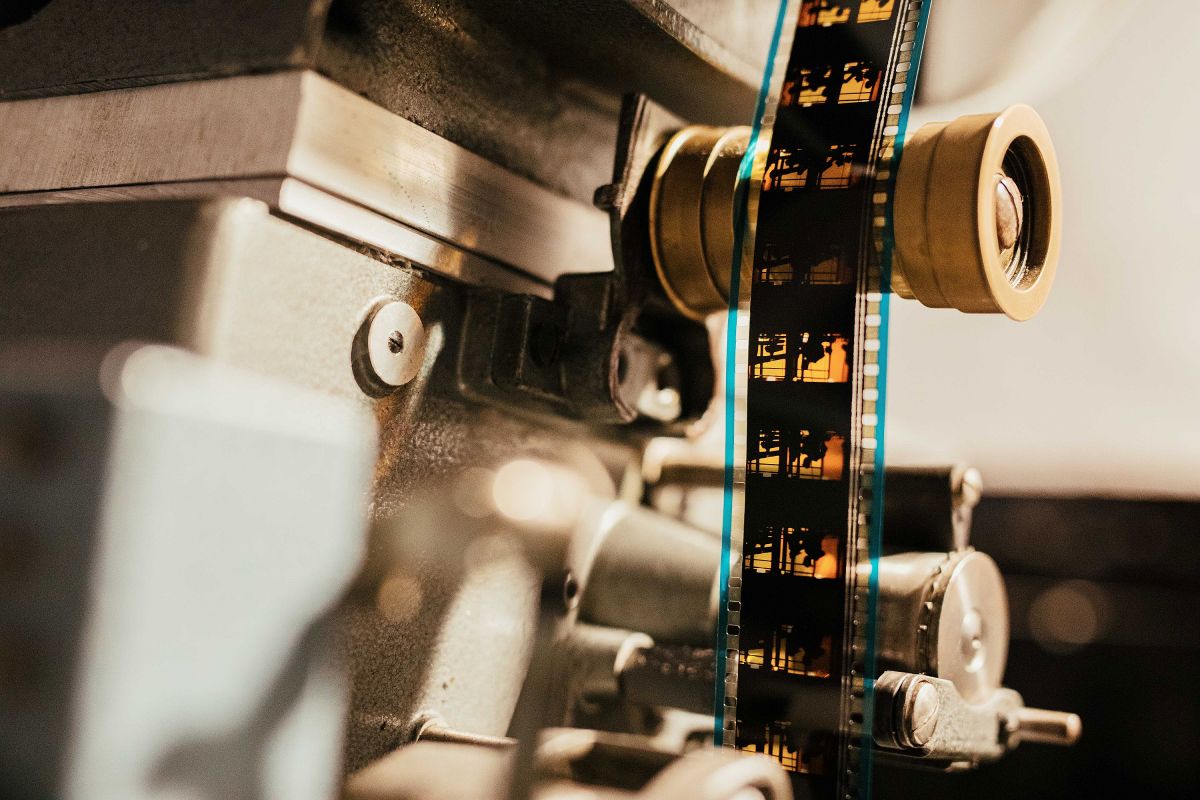
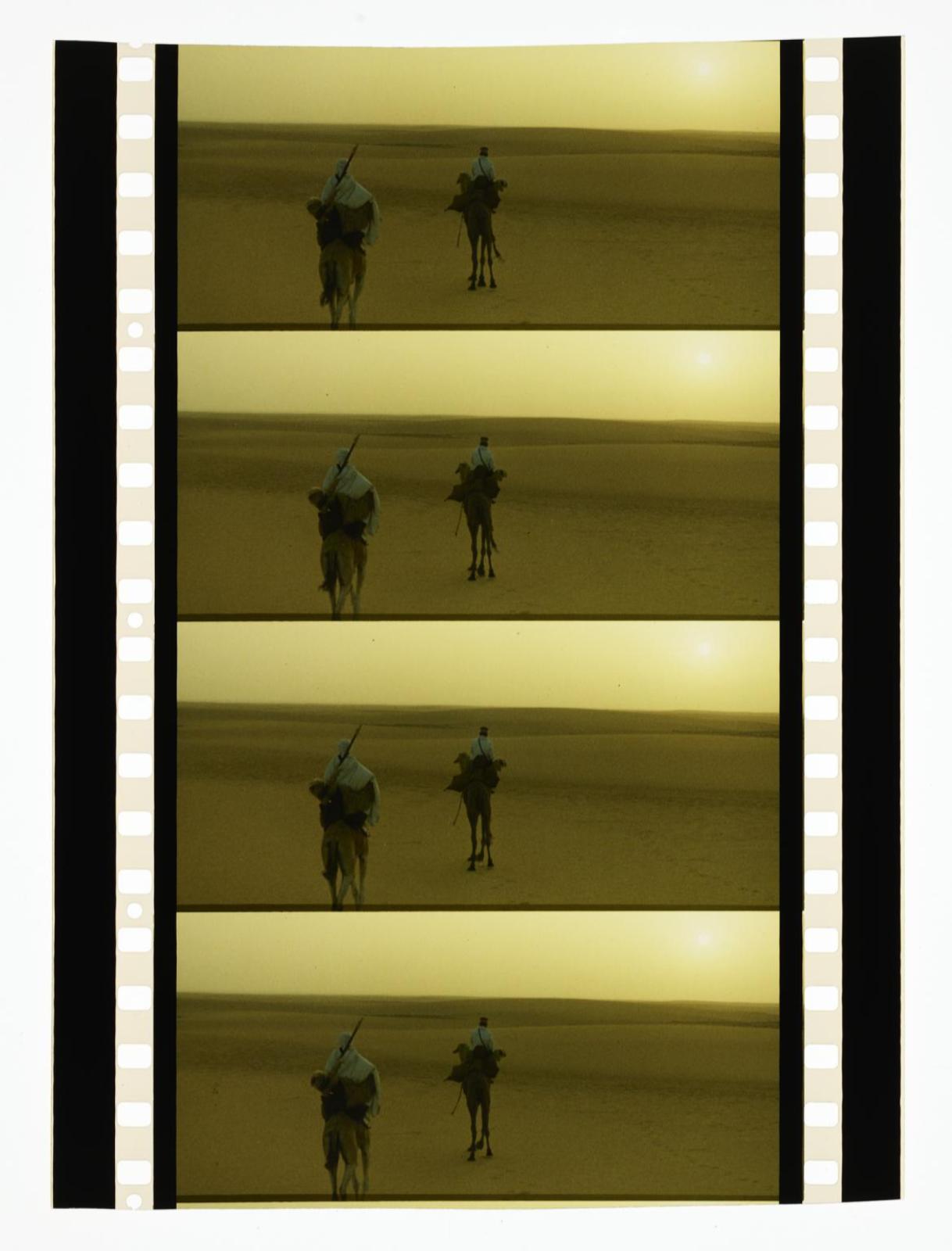
8mm, 16mm, 35mm and 70mm are some of the most common gauges, or sizes, of analogue film used throughout film history. Analogue film stock consists of sequential still images called frames. When projected through a lens using a powerful light source, these images create the illusion of movement. The number refers to the width of each frame.
35mm film
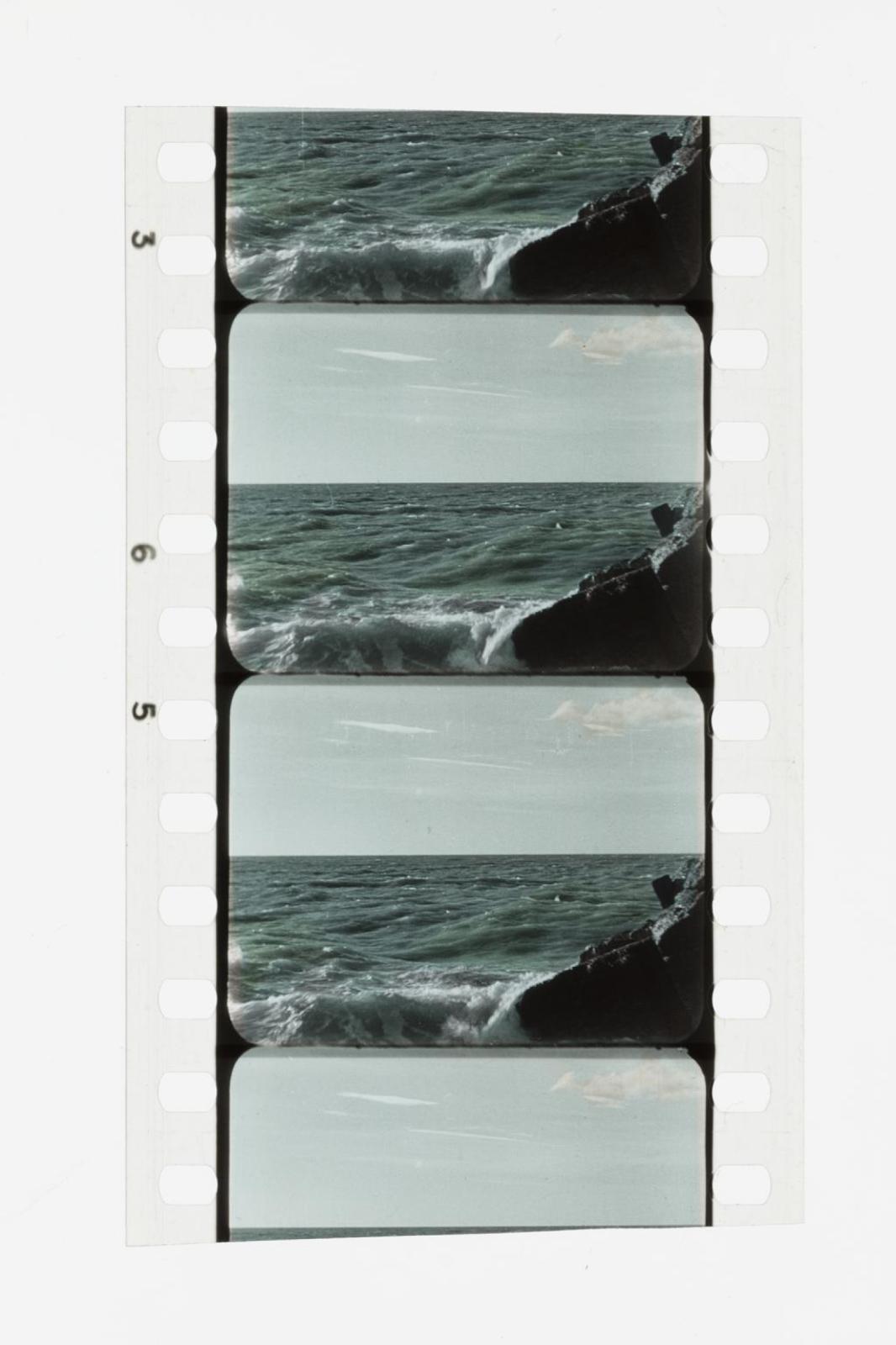
In the 1890s, George Eastman, founder of Kodak, first supplied 35mm film to Thomas Edison. In 1909, 35mm film was adopted as the worldwide film industry standard. 35mm film initially used an aspect ratio of 4:3 or 1.33:1. The standard Edison gauge of 35mm film, with four perforations on each side of the frame, became the professional standard agreed at an international conference of filmmakers in Paris in February 1909.

The downside of 35mm film was that, up until the 1950s, it was cellulose nitrate-based, which is highly flammable.
Even when different film formats became available from the 1950s, 35mm film was the most commonly used in the industry, right up until the late 2000s when digital film became more common.
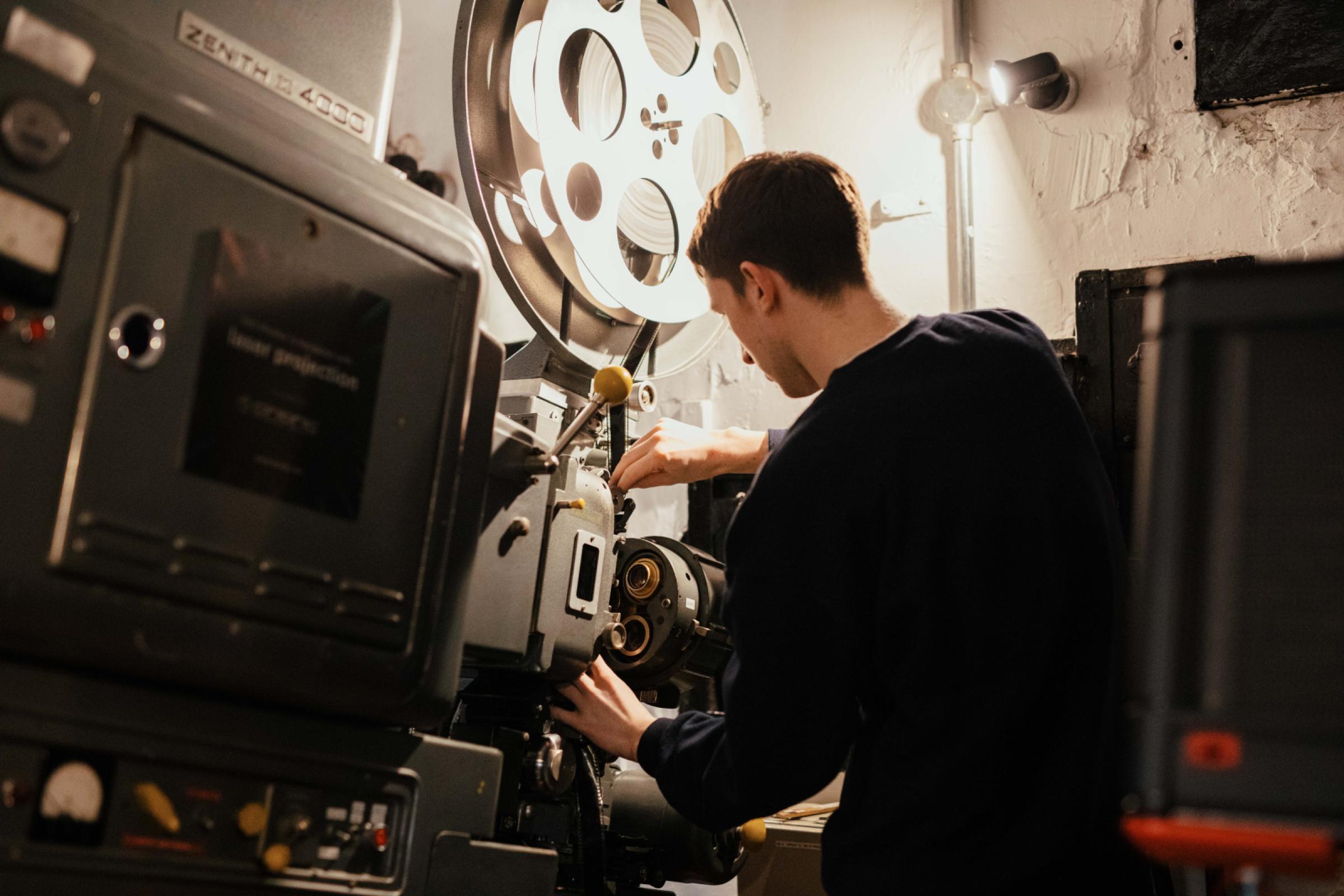
35mm is the type of analogue film we project in Screen One. For example, we’ve got a special 35mm screenings of The Odyssey coming up.
16mm film
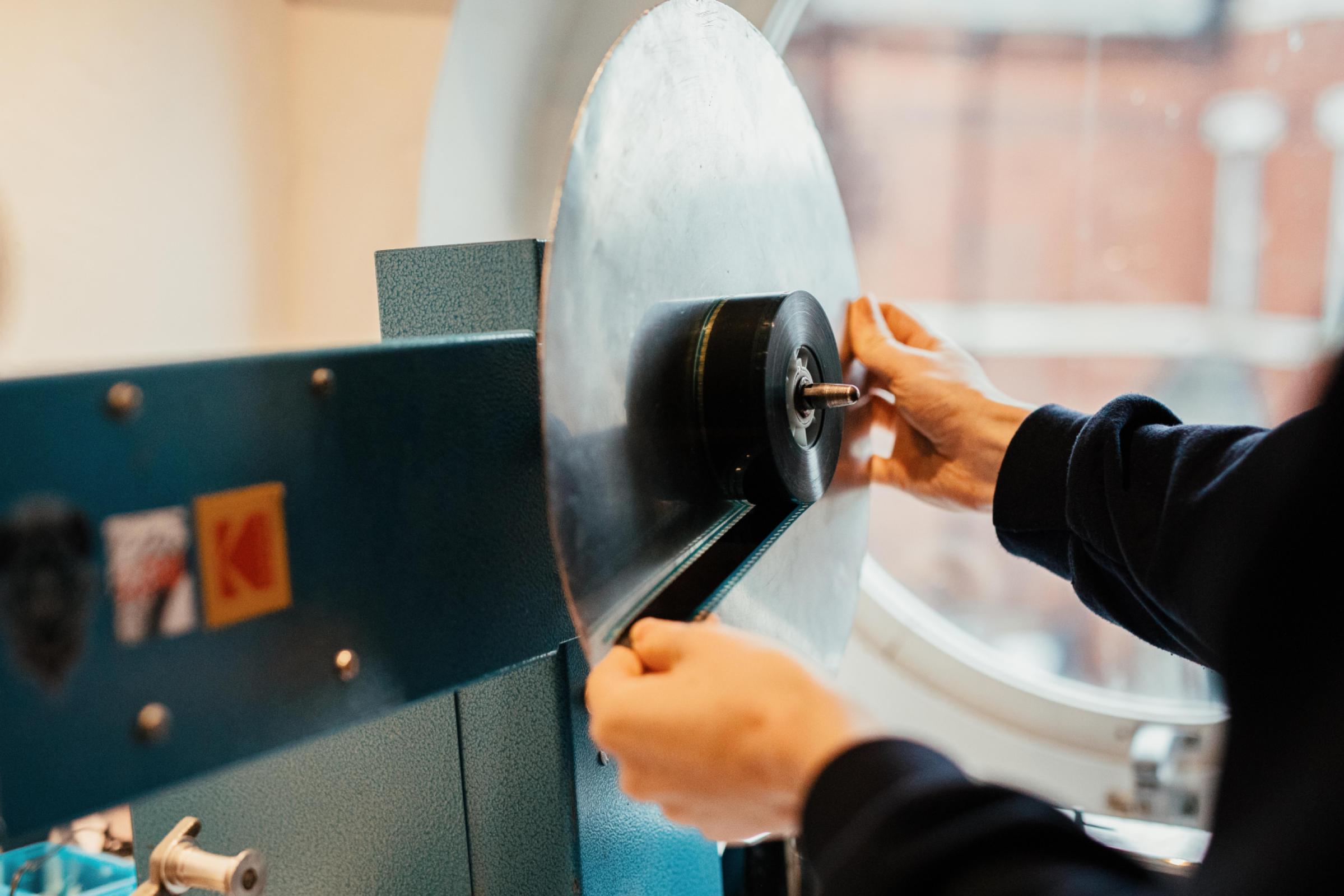
The second most popular type of analogue film, 16mm film, was launched in 1923 by Eastman Kodak. Smaller, cheaper and more portable than 35mm, it enabled schools and community spaces to organise screenings, supporting the growth of film societies from the mid-1920s onwards.
16mm film was initially nicknamed ‘safety film’ because its chemical makeup (cellulose triacetate) made it less flammable than the notorious 35mm cellulose nitrate. However, cellulose triacetate was then used for both 16mm and 35mm, making both formats safer but at risk of vinegar syndrome until polyester began to be used instead.
Developing 16mm film is less time-consuming for filmmakers because it doesn’t produce negatives.
Although originally considered a cheaper, easier alternative to 35mm, 16mm technology has advanced to create impressive results. In fact, one of our favourite films, Todd Haynes’ Carol (2015), was shot on 16mm film.
We still present some 16mm films in Screen Two.
8mm film
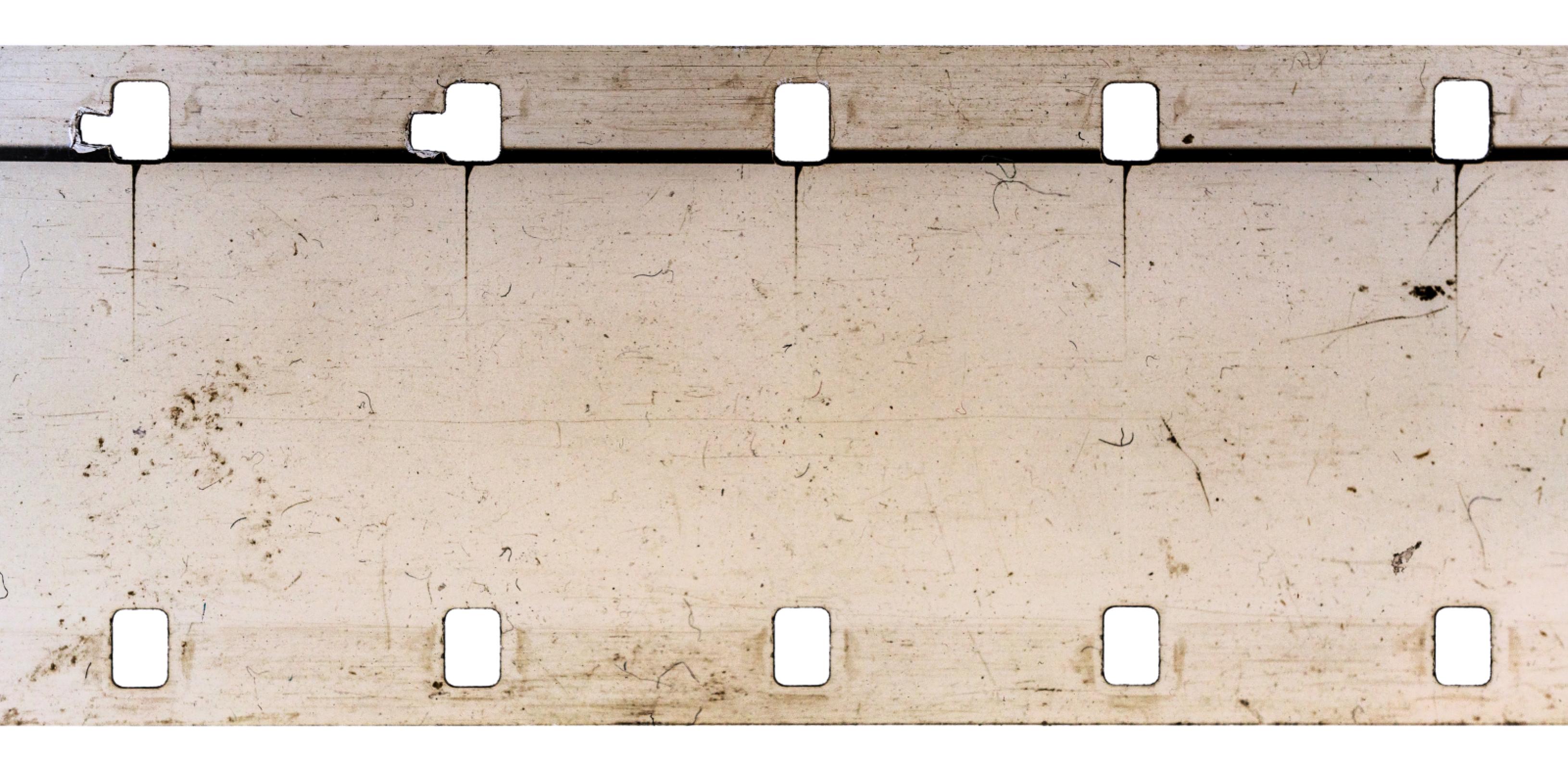
When Pathé in Europe created 9.5mm film, Eastman Kodak responded by making 8mm film. 8mm film was developed by Kodak during the Great Depression, before being launched in 1932. It offered an even more affordable format than 16mm, making it possible for films to be presented in people’s homes.
Its name is slightly misleading because it’s not actually half the size of 16mm, it’s a quarter of the size of 16mm.
The way it worked was on a 16mm spool with 8mm sides on, which the operator would turn over and then rethread the film after the first half was exposed. This was called the Kodak Double 8 System.
This format was popular for years until the invention of Super 8.
Super 8
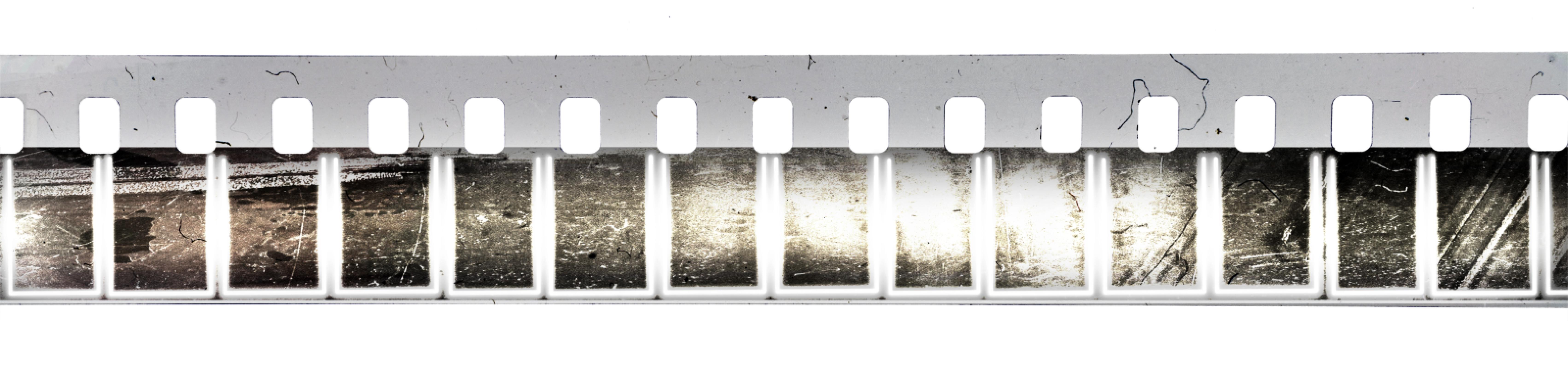
In 1965, Eastman Kodak introduced Super 8 as a cheaper, simpler option perfect for amateur filmmakers.
Operating Super 8 was much easier than 8mm because threading the reel wasn’t necessary. It also had inbuilt filters to improve lighting and picture quality.
To begin with, Super 8 was silent, but in 1973, Kodak introduced Super 8 film with a magnetic strip on the side for recording sound, making it even more popular.
70mm film
Experiments with 70mm film began in the late 1920s, but cost and practical concerns delayed regular use until the 1950s. Beginning with Oklahoma! in 1955, new processes including IMAX (1970) emerged.
Christopher Nolan’s new film, The Odyssey, has made history by being the first ever feature film to be shot entirely on 70mm IMAX film cameras.
Less common film sizes
Some more unusual film formats include 9.5mm, 17.5mm, 22mm, 28mm and 60mm, which have mostly disappeared apart from in collections like over with our friends at the National Science and Media Museum.
Evidence of changing film formats seen in our heritage auditorium
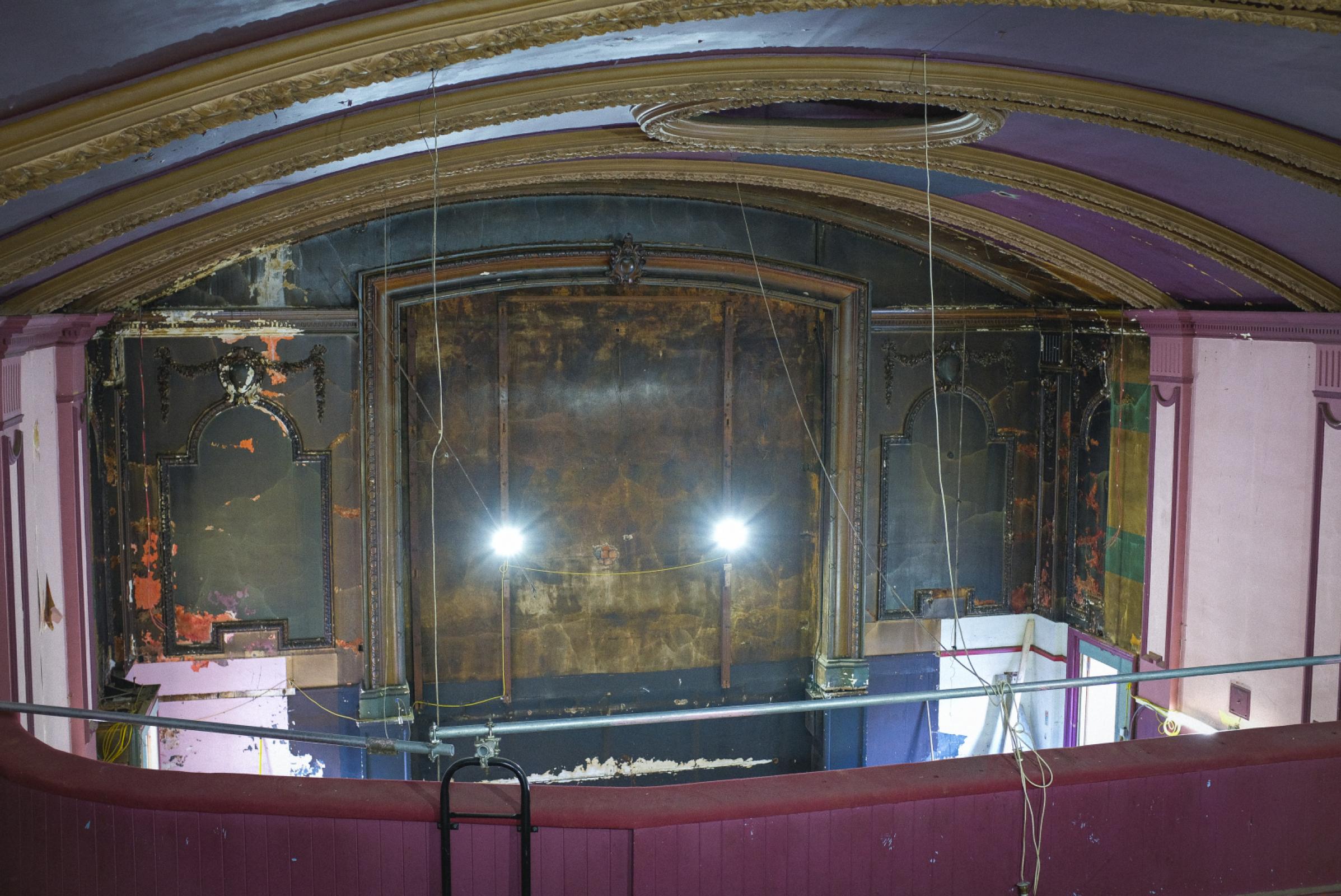
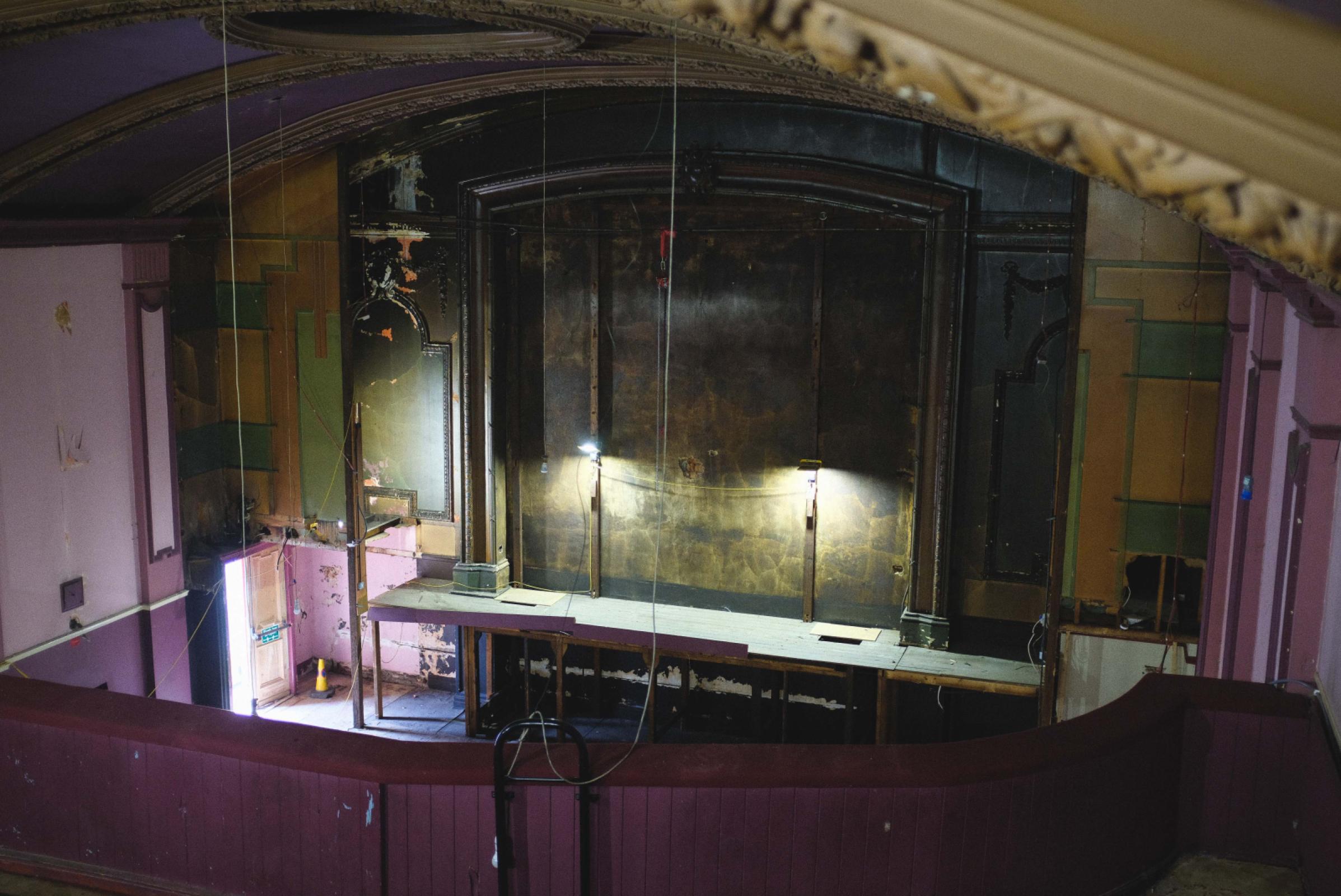
The way film exhibition has changed over the years can be seen physically in our building in its different proscenium arches. One of the highlights of the Picture House Project was looking behind the scenes and uncovering old former arches.
When the Picture House first opened in 1914, films were projected directly onto the auditorium wall. Films were silent, and they would often be accompanied by live musicians or a pre-recorded soundtrack played from a phonograph record.
The breakage risk of these records and their high shipping costs encouraged innovations with sound on film.
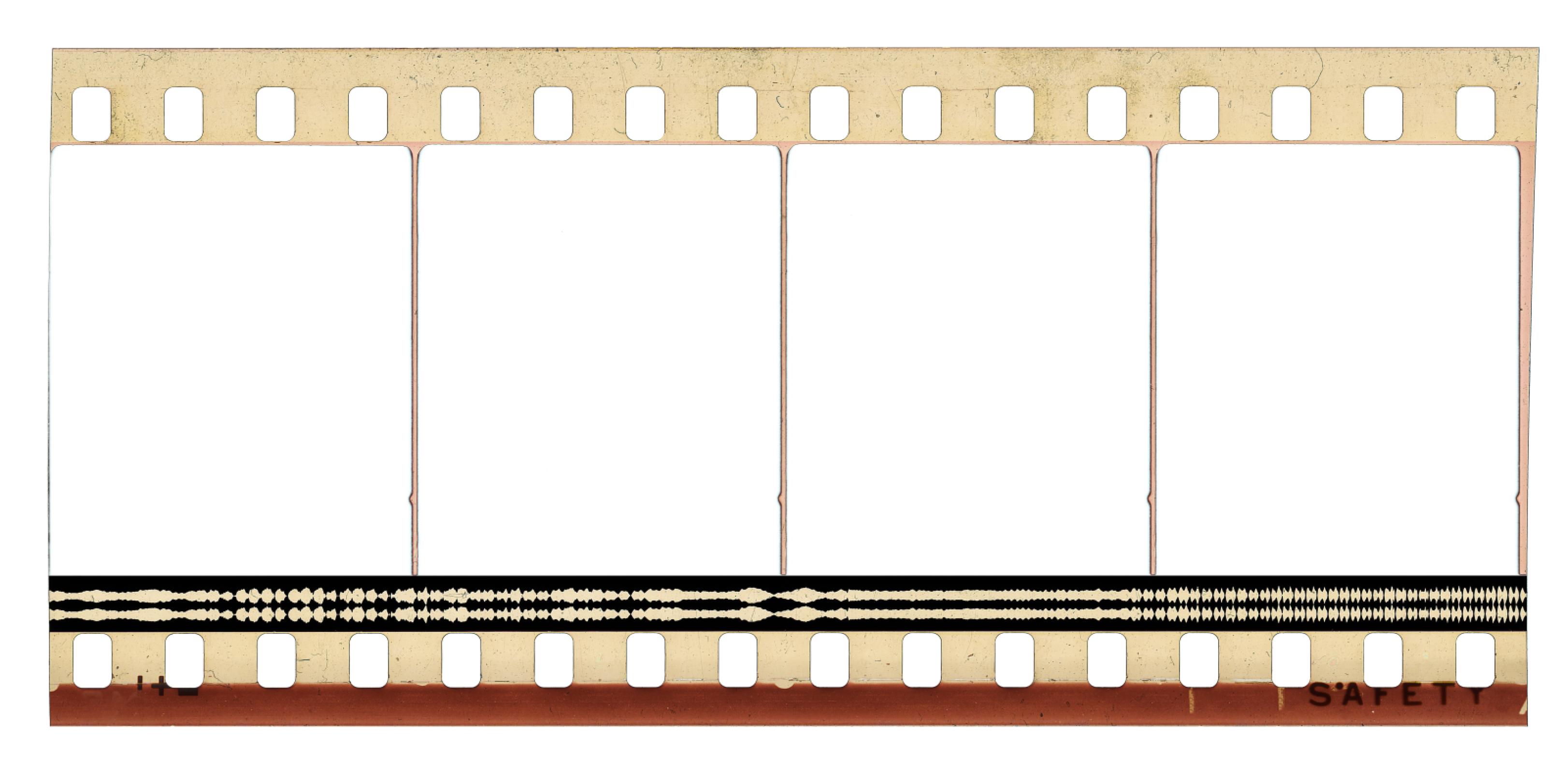
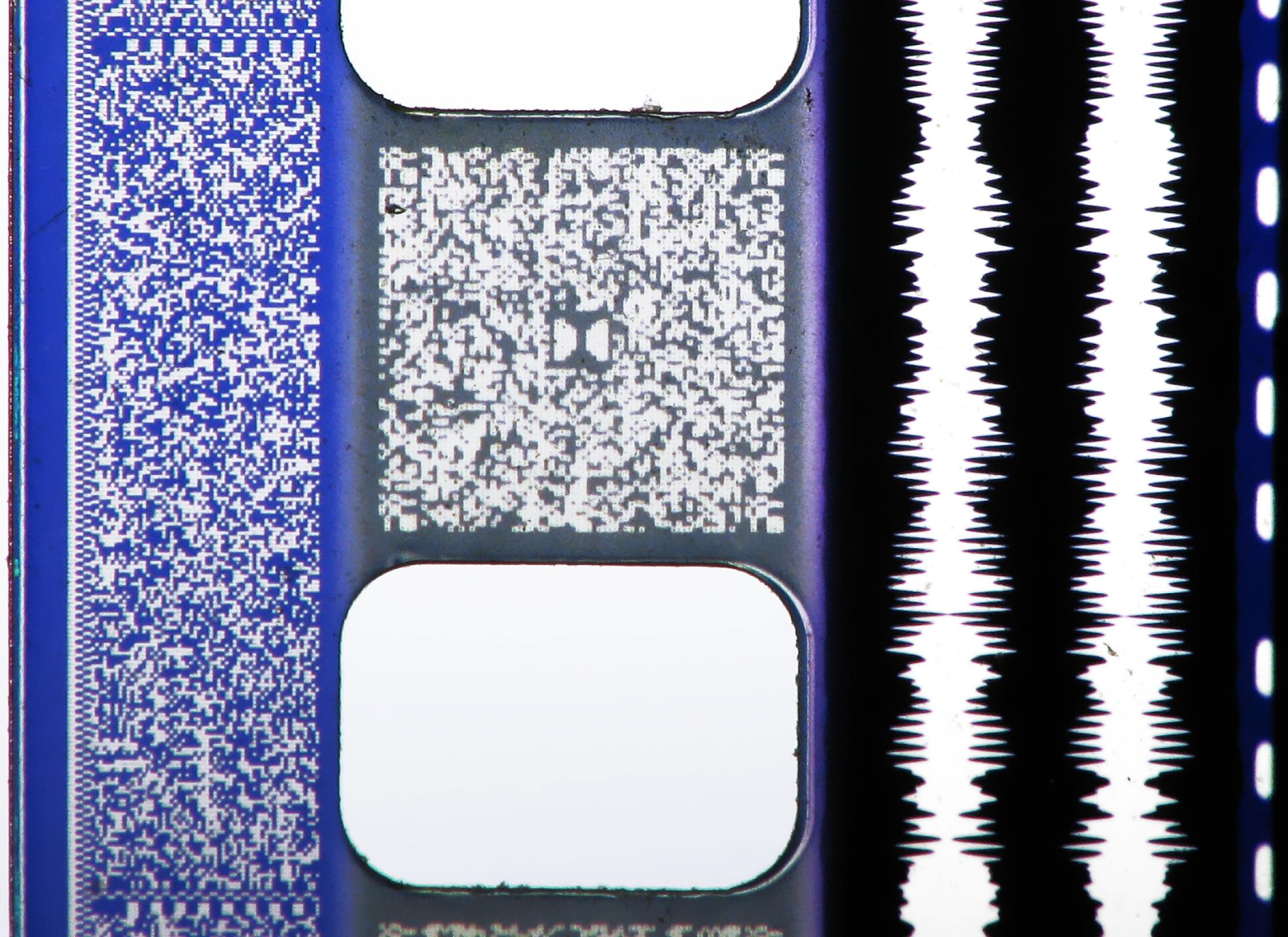
Don Juan (1926) was the first film with synchronised music and effects, paving the way for The Jazz Singer (1927), which is widely recognised as the first feature-length film with synchronised music and dialogue – the first true 'talkie'. In 1928, Warner Brothers then released the first all-talking synchronised sound film, Lights of New York.
By the early 1930s, nearly all feature films were presented with synchronised sound, so cinemas had to adapt to survive. This meant making space to fit speakers in the cinema auditorium. The solution was introducing a timber proscenium arch. In theatres, the proscenium arch describes the frame that surrounds a stage space. For cinemas, this structure similarly makes a space behind the screen where speakers can be housed.
Audience enthusiasm for talkies was so great that by February 1930, only 5% of Hollywood production was silent, and that year, 47% of UK cinemas were already converted for showing synchronised sound. Not everyone was quite so enthused though; Photoplay editor James Quirk said:
“The 'talking picture' will be made practical, but it will never supersede the picture without sound. It will lack the subtlety and suggestion of vision—that vision which, deprived of voice to ears of flesh, intones undisturbed the symphonies of the soul.”
James Quirk
In the 1930s, the first timber proscenium arch was installed in the Picture House. Around the same time, changing tastes led to the auditorium undergoing its first major redesign. Some of the decorative plasterwork festoons and cherubs that adorned the space were crudely removed. The colour scheme was changed from a dark palette to a bold combination of orange and green lines banding horizontally around the space.
This change was inspired by the Art Deco style of the 1920s and 1930s. Art Deco had significant influences across fashion, architecture and art, as well as film – seen in titles like Our Dancing Daughters (1928), Animal Crackers (1930) and Grand Hotel (1932).
The new timber proscenium arch and its suspended fabric screen positioned us well to respond to the next major technological and artistic change: new aspect ratios.
Aspect ratio changes over the years
In film, the aspect ratio describes the width-to-height relationship of the image as seen on screen.
The worldwide film exhibition standard in 1909 was 35mm film with an aspect ratio of 4:3 or 1.33:1. The first number refers to the width of the screen, and the second to the height. For example, 1.33:1 means for every 1.33 units in width, there will be 1 unit in height.
When ‘talkies’ began, meaning films were no longer silent but had soundtracks too, the aspect ratio was adjusted to 1.37:1. This is known as the ‘Academy ratio’, as it was officially approved by the Academy of Motion Picture Arts and Sciences (the Oscars people) in 1932.
Despite plenty of experimentation, there were no major changes from the Academy ratio until the 1950s, when more households began to get their own TVs and cinemas had to get creative to compete.
One innovation to draw in audiences came in 1952: the Cinerama technique. It had a very large aspect ratio of 2.59:1, giving audiences a real sense of immersion. It required three projectors, running at once, and a wide, deeply curved screen, along with multi-track surround sound. Each projector produced a third of the full picture, and the pictures would be blended by vibrating sawtooth devices in the projectors to make the joins less obvious.
Audiences were impressed, but Cinerama was complex and costly, so widescreen cinema wasn’t widely adopted until the invention of CinemaScope in 1953 and Todd AO in 1955. Both of these processes were more viable since they used single projectors.
By the end of the 1950s, these innovations had effectively changed the shape of the cinema screen, with aspect ratios of either 2.35:1 or 1.85:1 becoming standard. Stereo sound, which had been experimented with in the 1940s, also became part of the new widescreen experience.
Specialist large-screen systems using 70mm film were also developed – the most successful being IMAX. IMAX primarily uses two aspect ratios: the traditional, nearly square 1.43:1, and the standard widescreen 1.90:1.
Masking
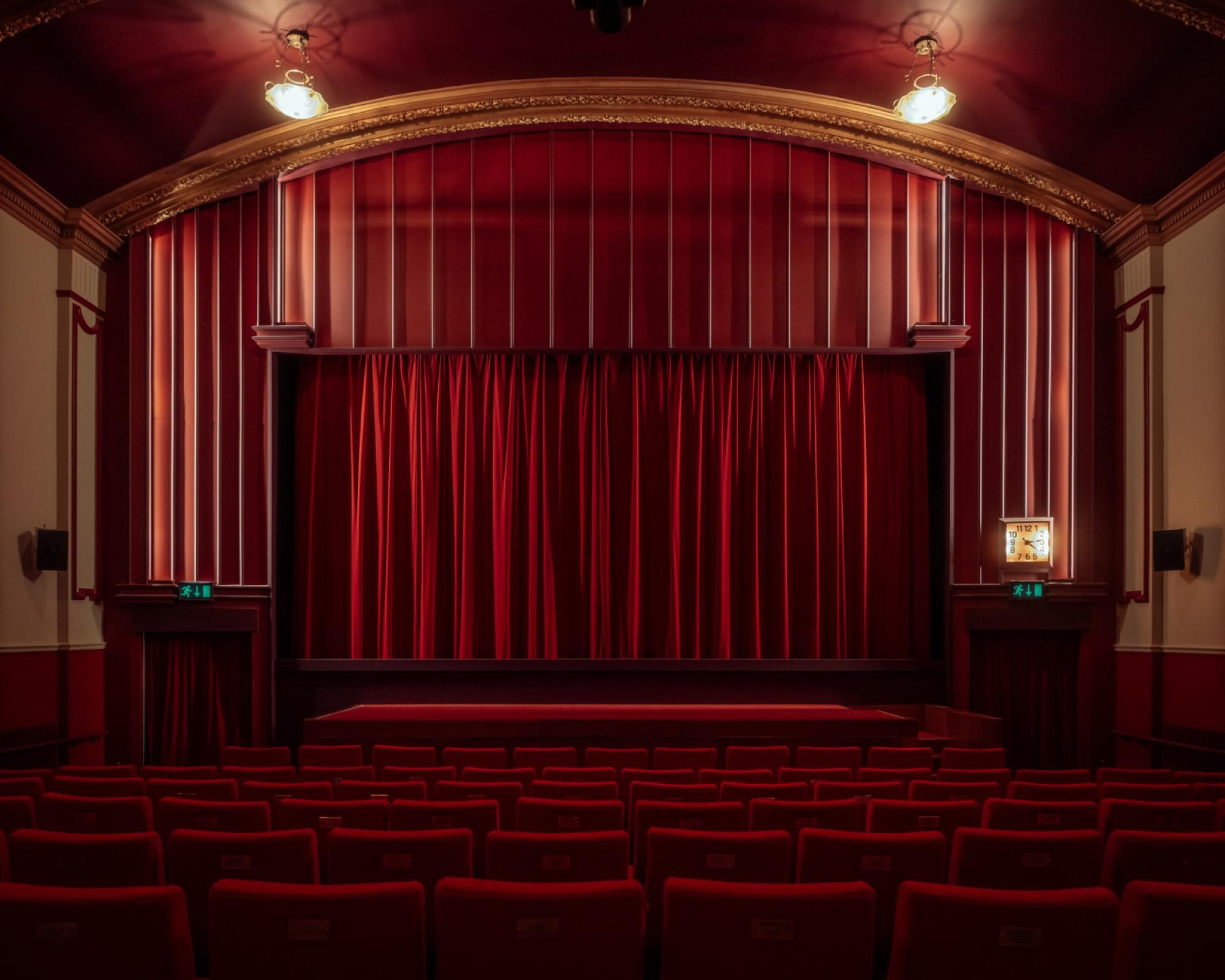
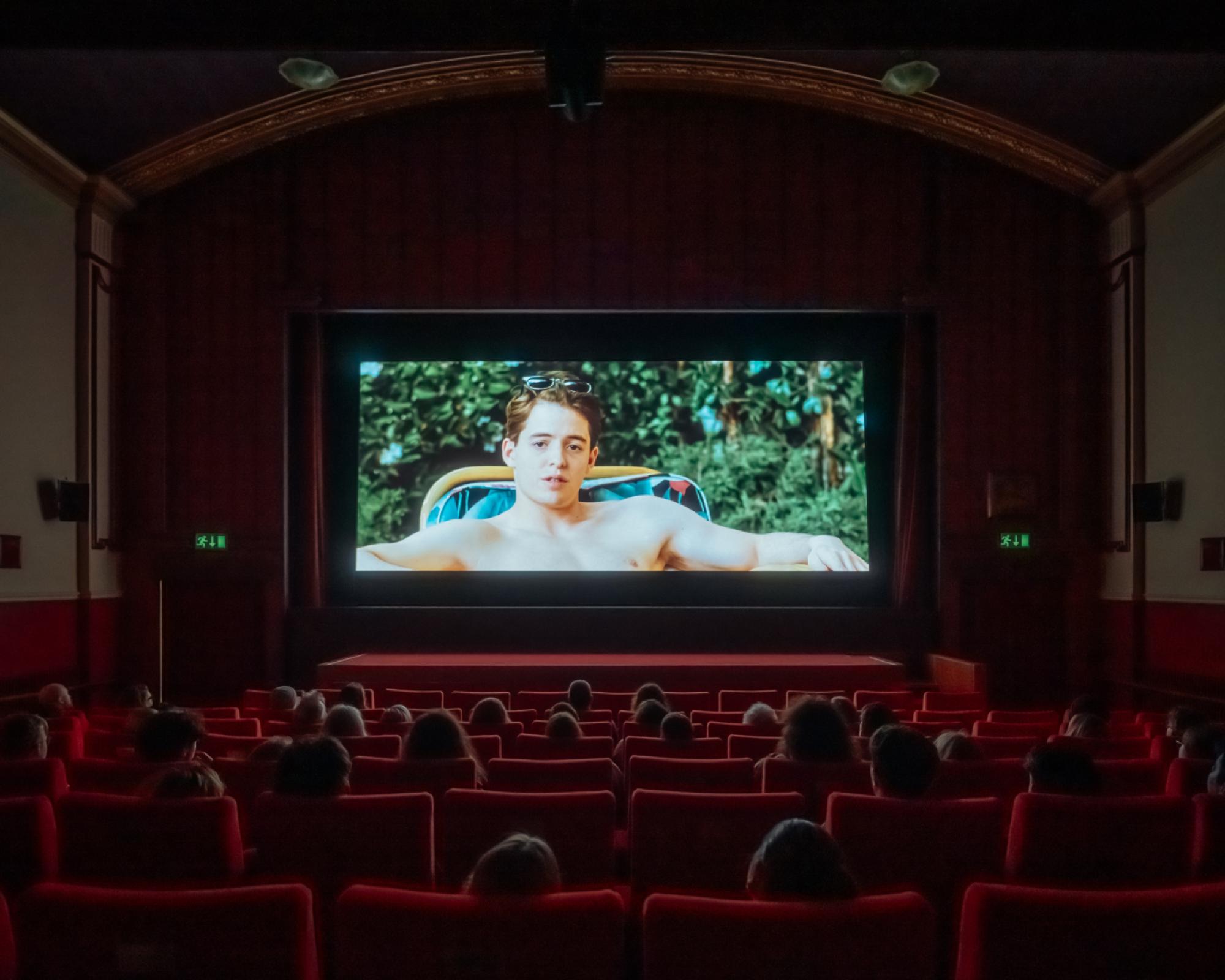
In cinema spaces, screens were built to accommodate the biggest possible aspect ratio, 2.35:1. Black fabric on a movable track, known as masking, created a hard boundary around the projected image.
This could be drawn in to ensure a perfect black frame for any films played in a smaller ratio. This physical masking is now uncommon in many cinemas, scrapped in the digital age. Maintaining it at the Picture House has allowed continuity in the way films are shown. It connects our projectionists of today with the team who staffed the booth back in 1914.
Today
We’re proud to have maintained our 35mm and 16mm projectors and the expertise and knowledge of our projection team to continue screening analogue films, as well as educating people on film history. For example, we have educational tours and tours open to the public, including our upcoming Projection Room Tour for Heritage Open Days.

-landscape.jpg)