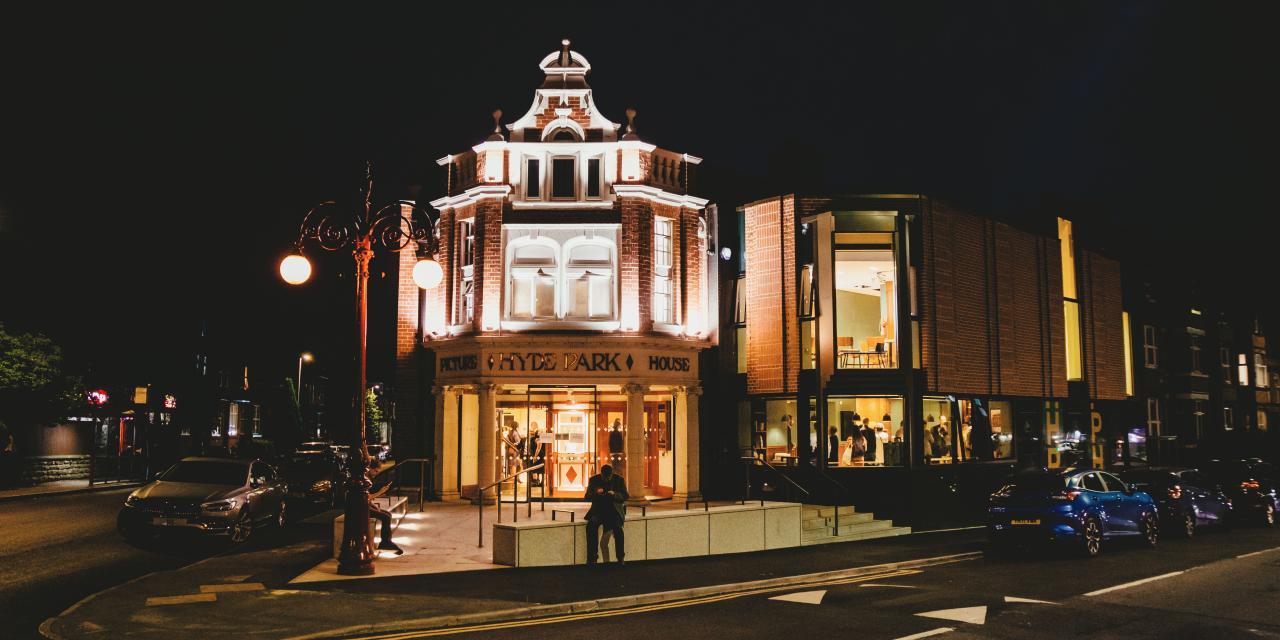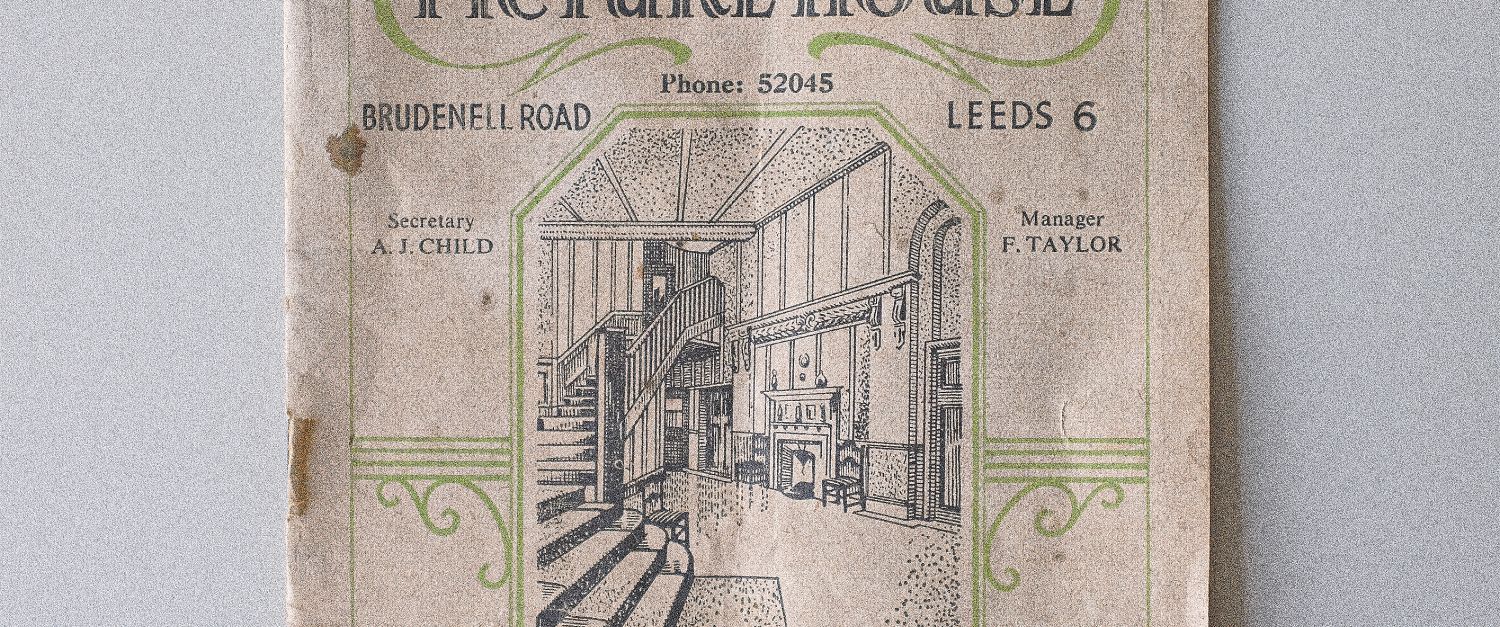
The History of HPPH
1888-1913: Before HPPH
Leeds has a rich film history which precedes the birth of our beloved cinema.
It was in Leeds, in 1888, that Louis Le Prince is thought to have shot the world’s first motion picture sequence using a single-lens camera with a strip of film. First, he captured what is now known as the Roundhay Garden Scene, a few seconds of moving people. Next, he filmed pedestrians and horse-drawn carriages crossing Leeds Bridge.
Early cinema was dangerous! Nitrate film, which was used at the time, is highly flammable and caused serious fires when handled and stored incorrectly. So, after just over a decade of film screenings in Britain, the government introduced the first legislation to cover cinemas. The 1909 Cinematograph Act required cinemas to be licensed and follow safety regulations enforced by local authorities. This led to guidelines beyond physical safety as local authorities, to varying degrees, began to dictate which films were acceptable to screen and which weren't. To introduce more standardised rules nationwide, the British Board of Film Censors was established in 1912.
1899: The land is purchased
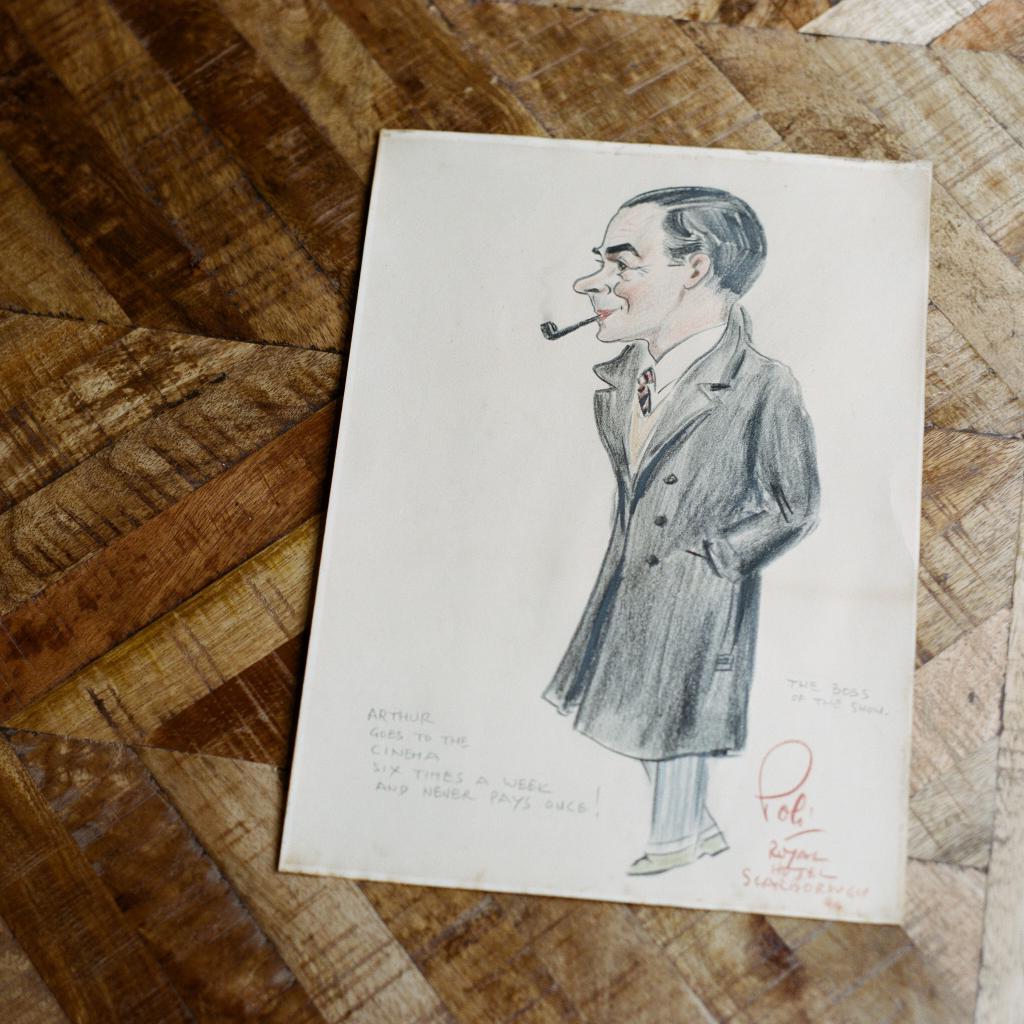
The story of the Hyde Park Picture House began as far back as 1899, when Harry Child purchased the little corner we now call home.
Child’s family were well-known in the Leeds pub and hotel sector; the Mitre Hotel, Central Station Hotel and the Packhorse were all in the family. Child announced his plans to build ‘The Paragon’ and applied for a provisional alcohol licence, which raised suspicions that this was going to be a pub rather than Child’s claimed ‘palatial hotel’. Locals vehemently opposed his plans and Child’s many license applications were refused by Leeds Corporation Licensing.
1914: The opening of HPPH
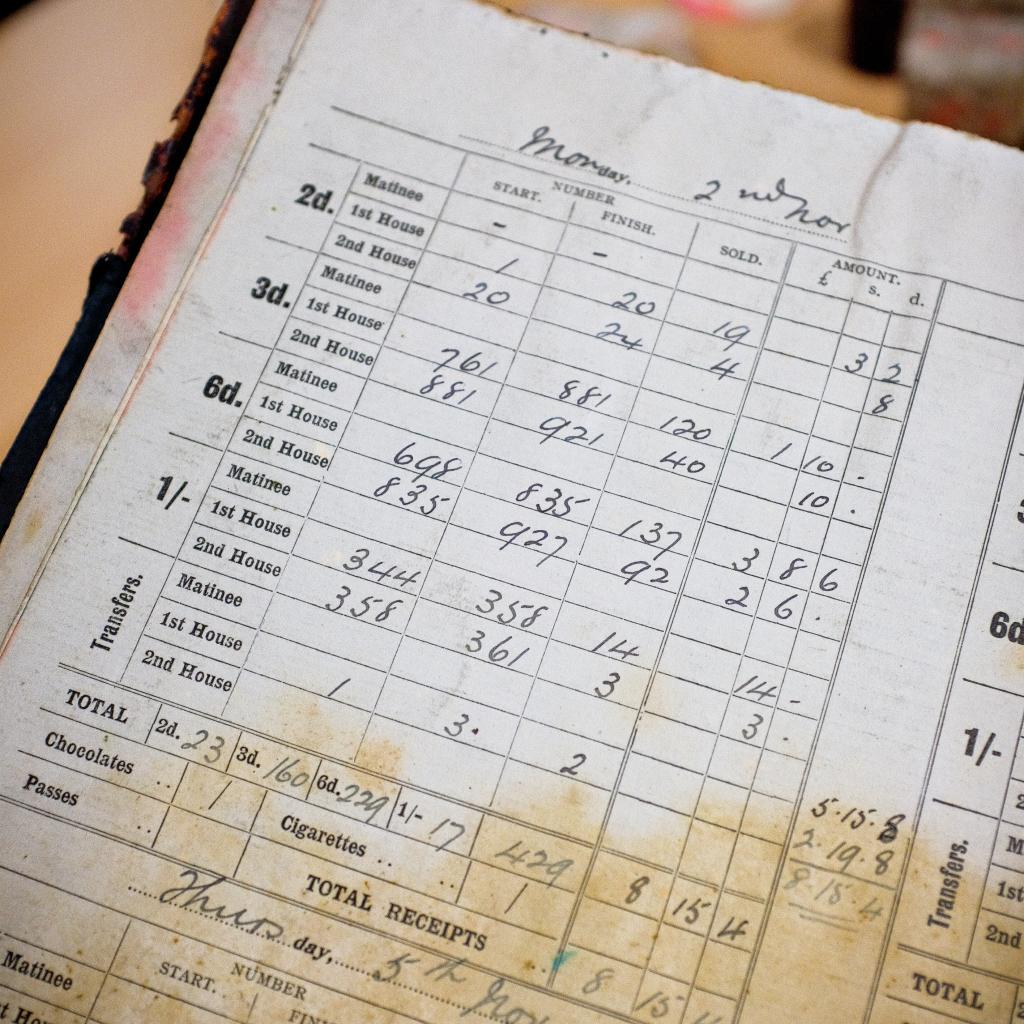
HPPH opened its doors on Mon 02 Nov, 1914.
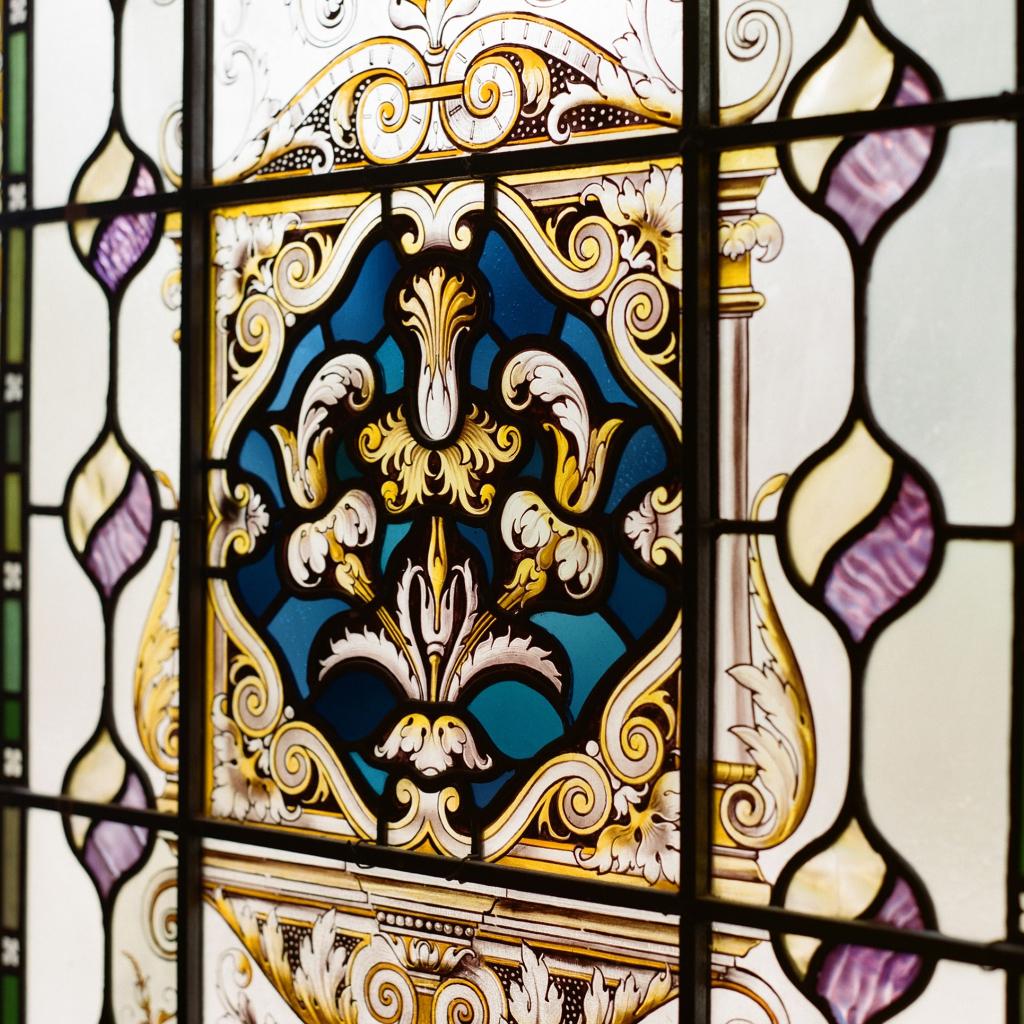
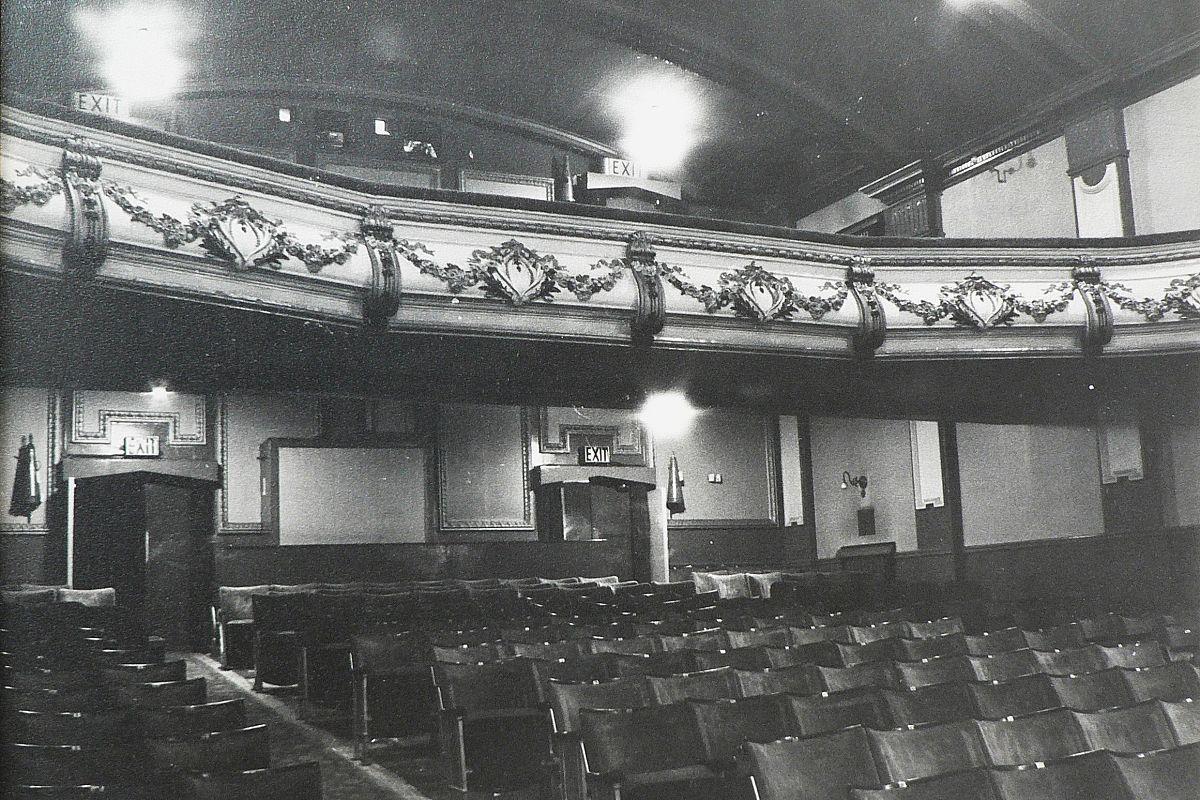
The Picture House was lauded by local press as the ‘cosiest in Leeds’ and praised for its 'decorations […] on a most beautiful and lavish scale.' The manager, Joe Hardy, who lived next door to the cinema at 75 Brudenell Road, always greeted guests in evening dress. If he was late back to say farewell after sneaking out for a drink, the projection speed was slowed down. According to a young projectionist at the time, Harry Child took great pride in his cinema. When he visited once or twice a week, he would ask that the large crystal chandelier in the entrance hall be cleaned regularly and that the brass rods on the stairs and the glass in the projector ports be cleaned daily, even using his own handkerchief to clean on occasion.
1915-1929: WWI & The Silent Era
The opening programme largely consisted of patriotic silent, black and white films to boost morale during the war, and newsreels to keep people informed.
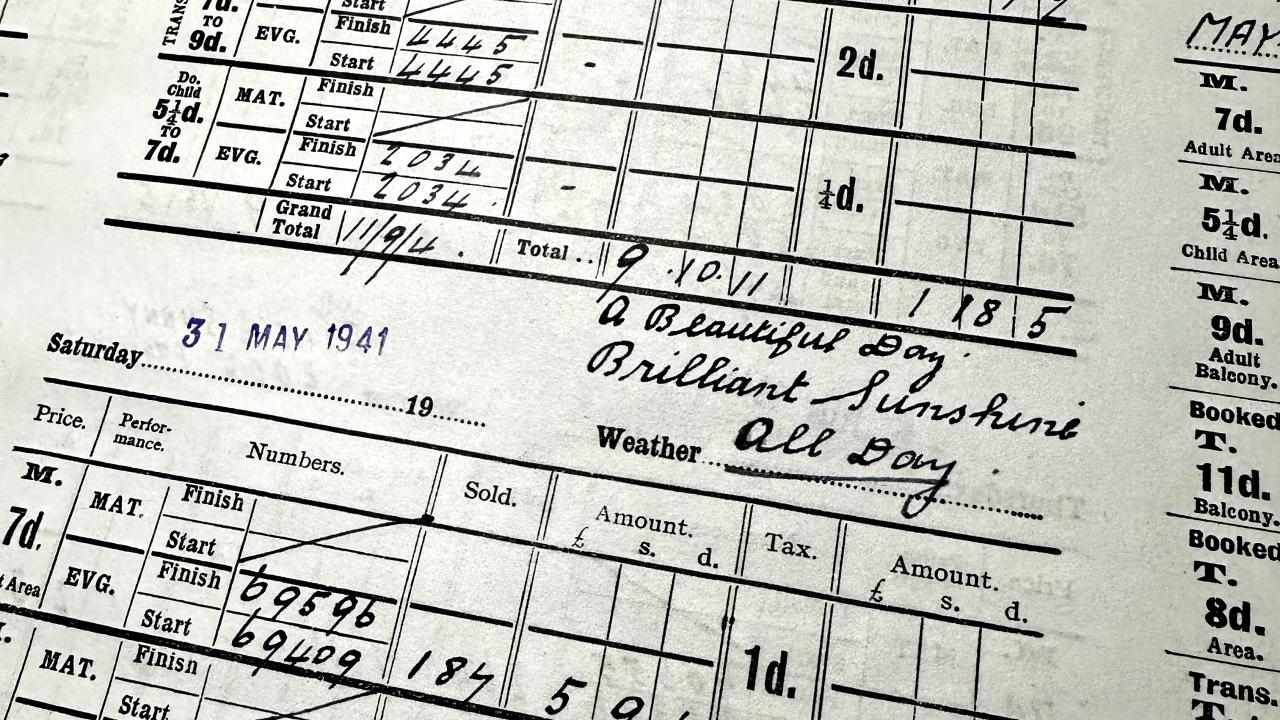
Daily logbooks exist from its opening until 1958, documenting screenings, weather, audience numbers, takings and other notes, including comments on public health, with one entry stating ‘Soldiers and children barred – influenza epidemic’ in November 1918. From the logbooks, we know that there was a good turnout in the first week and almost a full house on the first Saturday. Audience numbers remained fairly high for most of the war, perhaps as it provided a welcome escape. Two patriotic titles shown in the first week were Their Only Son and An Englishman’s Home.
Music was played in the Picture House by a trio: a pianist, violinist, and cellist. Ticket prices started at 2d, 3d, 6d and 1s before the 2d seats were reduced to 1½d in 1917.
1930-1938: The Talkies
In 1930, HPPH was adapted to show ‘talkies’, feature length films with sound.
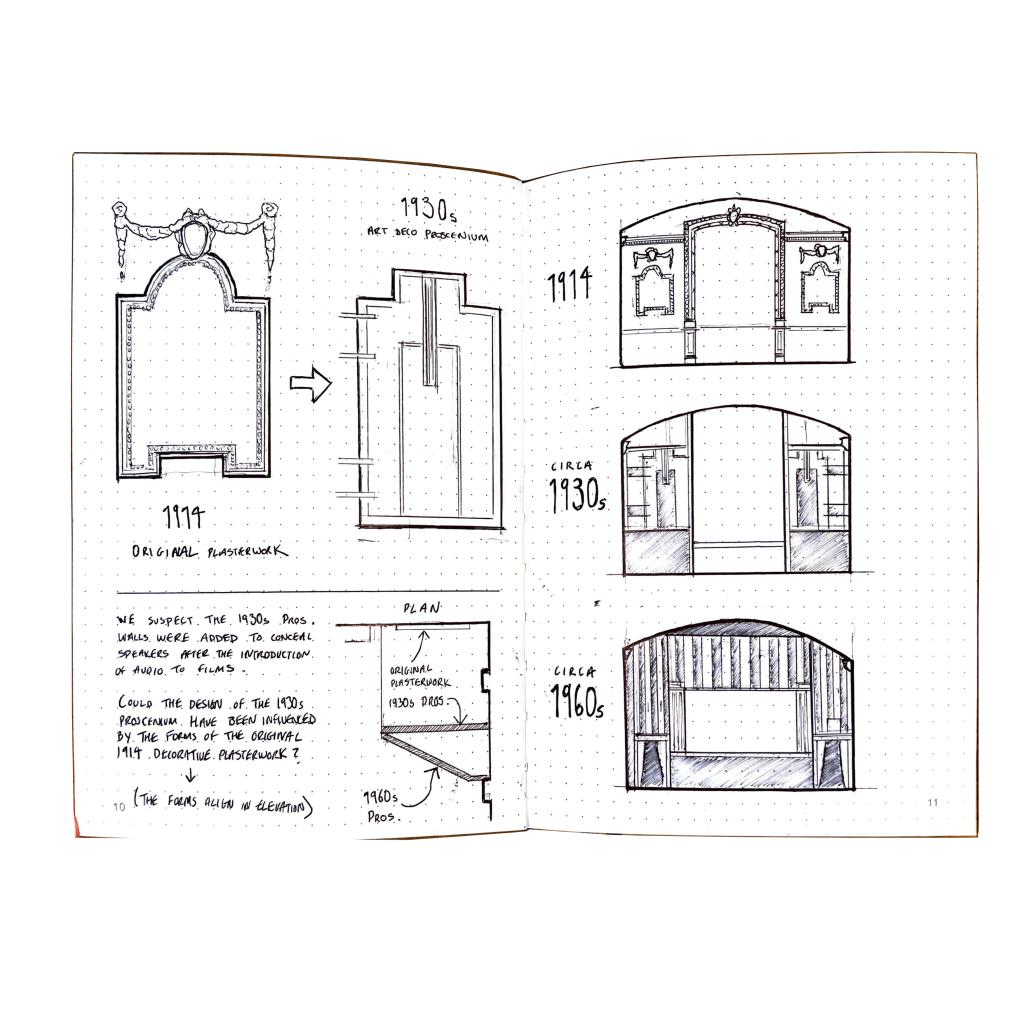
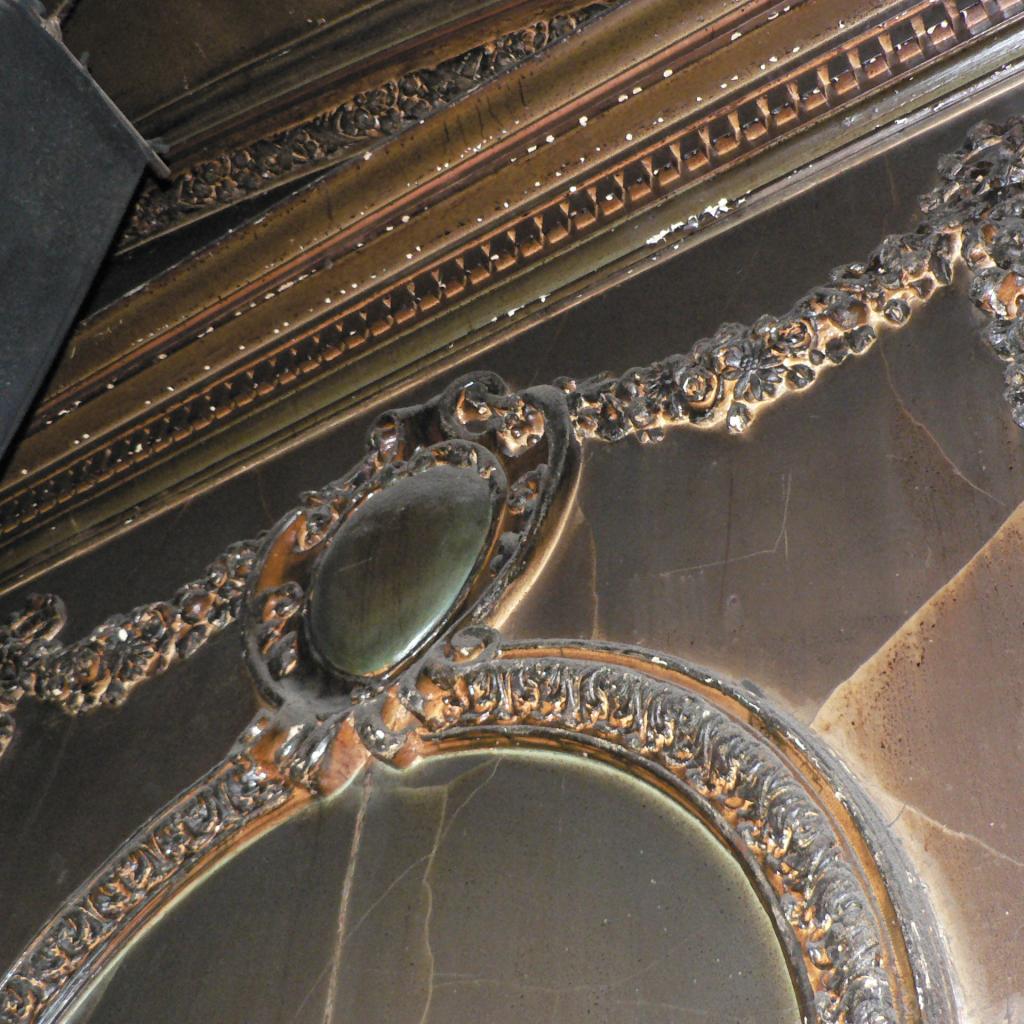
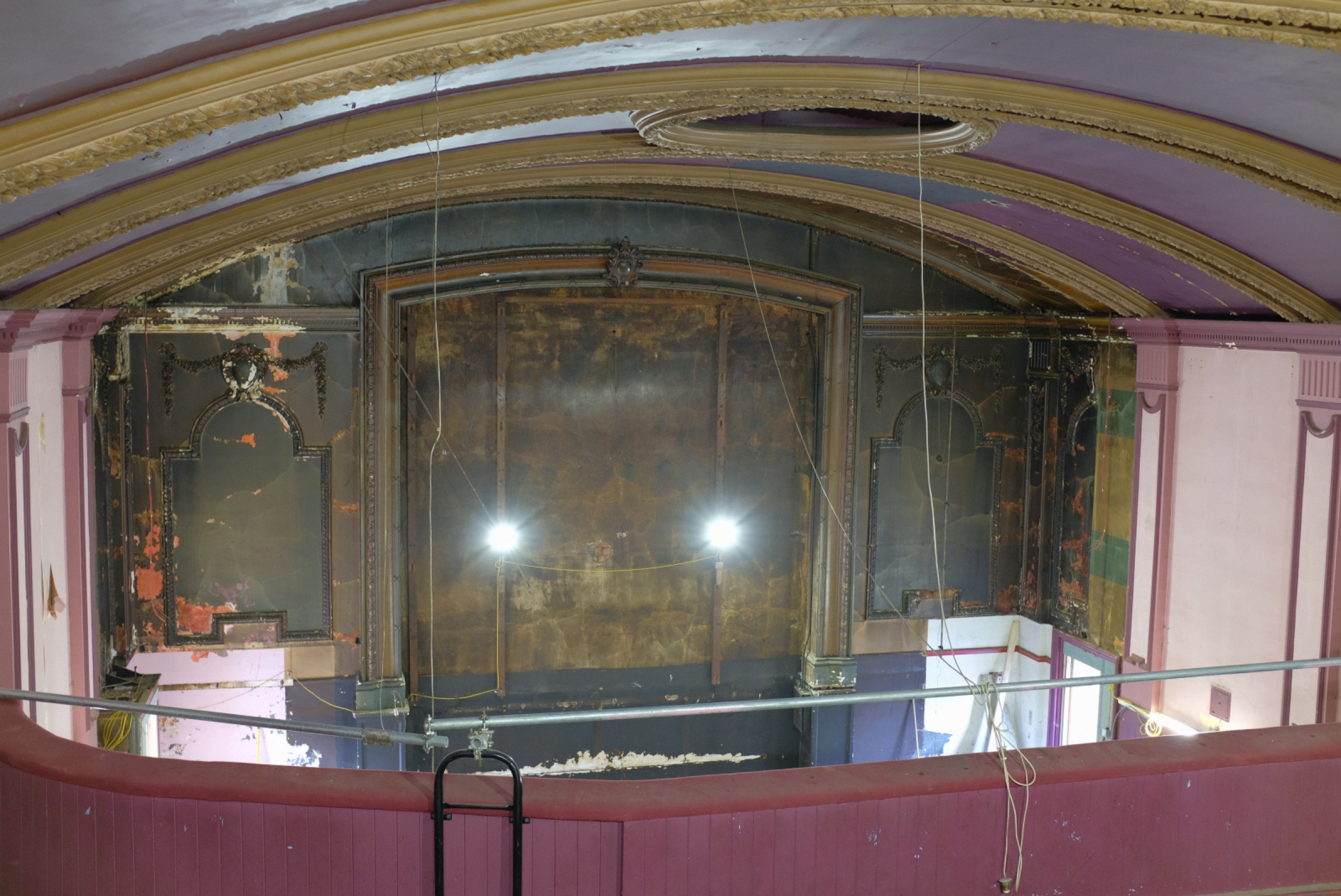
During The Picture House Project, we discovered that behind our current proscenium arch, there is evidence of a 1930s Art Deco panel, and behind this, there is the original wall on which silent films would have been projected when the cinema first opened. This original wall is adorned with Baroque plasterwork: gilded cherubs, garlands and festoons. It is a rare surviving example of a screen from the silent film era. The newer Art Deco projection wall was built in front of the original one to make room for speakers to screen ‘talkies’.
The first feature-length film with synchronised dialogue, The Jazz Singer (1927), used the Warner Brothers’ Vitaphone system. This relied on a separate record disc with each reel of film for the sound.
By the early 1930s, nearly all feature films were presented with synchronised sound. By the mid-1930s, some were in full colour too, leading to this period being named the 'Golden Age of Hollywood'.
The 1930s saw a growing interest in independent and foreign films, beyond the British and American ones the Picture House originally screened. In 1937, the Leeds Film Institute Society was founded. Their membership grew to around 400 and in 1938, they began to use the Picture House for public screenings of foreign and art films.
1939-1945: WWII
Apart from a brief 12-day closure, the Picture House continued to be a place to escape via film throughout WWII.
In March 1939, as WWII loomed, the HPPH was used for an armed forces recruitment talk, with figures like former suffragette Leonora Cohen urging volunteers to enlist before conscription became compulsory. On September 3rd, war was declared and all cinemas were forced to close. This was quickly retracted and the HPPH reopened its doors as soon as September 15th when the importance of cinemas for morale and distraction was realised.
Logbooks kept by cinema management give us an insight into how operations went throughout the war. Through these records, we see flashes of war briefly interrupting day-to-day life. Noted unremarkably alongside the weather, we see details of the sirens and gunfire. Here are a few example entries from that period:
- 13 Aug 1940 • Siren at 10:35
- 12 Dec 1940 • Gunfire and sirens at 8:15 showing Bill of Divorcement
- 22 Mar 1941 • Siren 7:25, clear 7:40
- 03 Apr 1941 • Siren 9:30
- 07 Apr 1941 • Siren 9:45
The Picture House staff remained optimistic, with some logbook entries cheerily remarking on things like the weather.
Beautiful days would remain on the horizon, leading up until 08 May 1945, when VE Day was marked in those same logbooks, alongside the weather; business, as always, as usual.
“A beautiful day. Brilliant sunshine all day.”
HPPH logbook entry
31st May 1941
1946-1969: Post-war
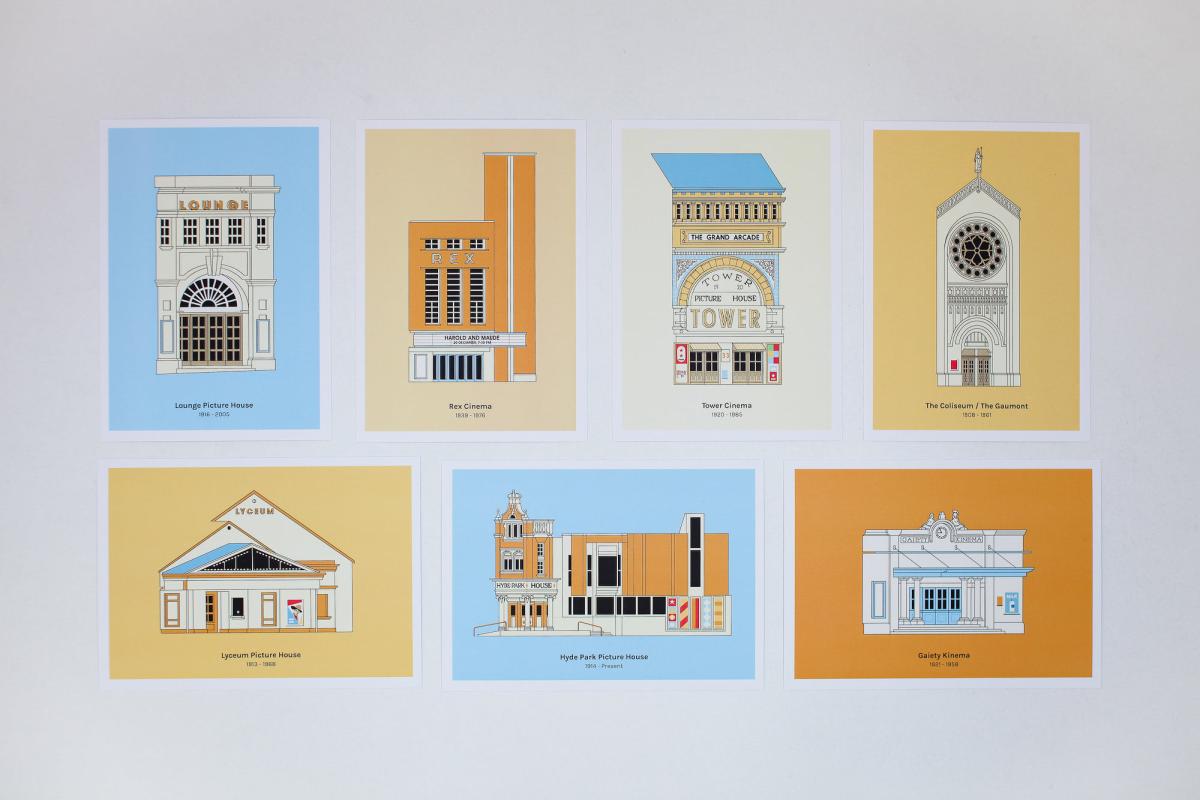
Our lost cinemas of Leeds project, Hiding In Plain Sight, gives a sense of just how many cinemas were unable to survive in the years after the war, with competition coming from multiplex cinemas, TV and VHS.
This was a period of profound change in cinema; colour film became more common in films like A Matter of Life and Death (1946), and new screen aspect ratios were introduced in the 1950s.
In January 1958, HPPH closed due to the crippling impact of rising interest in TV and larger city centre cinemas. Thankfully, the cinema reopened after two months. By 1960, almost three-quarters of homes in the UK had televisions (increasing from 350,000 households with TVs in 1950).
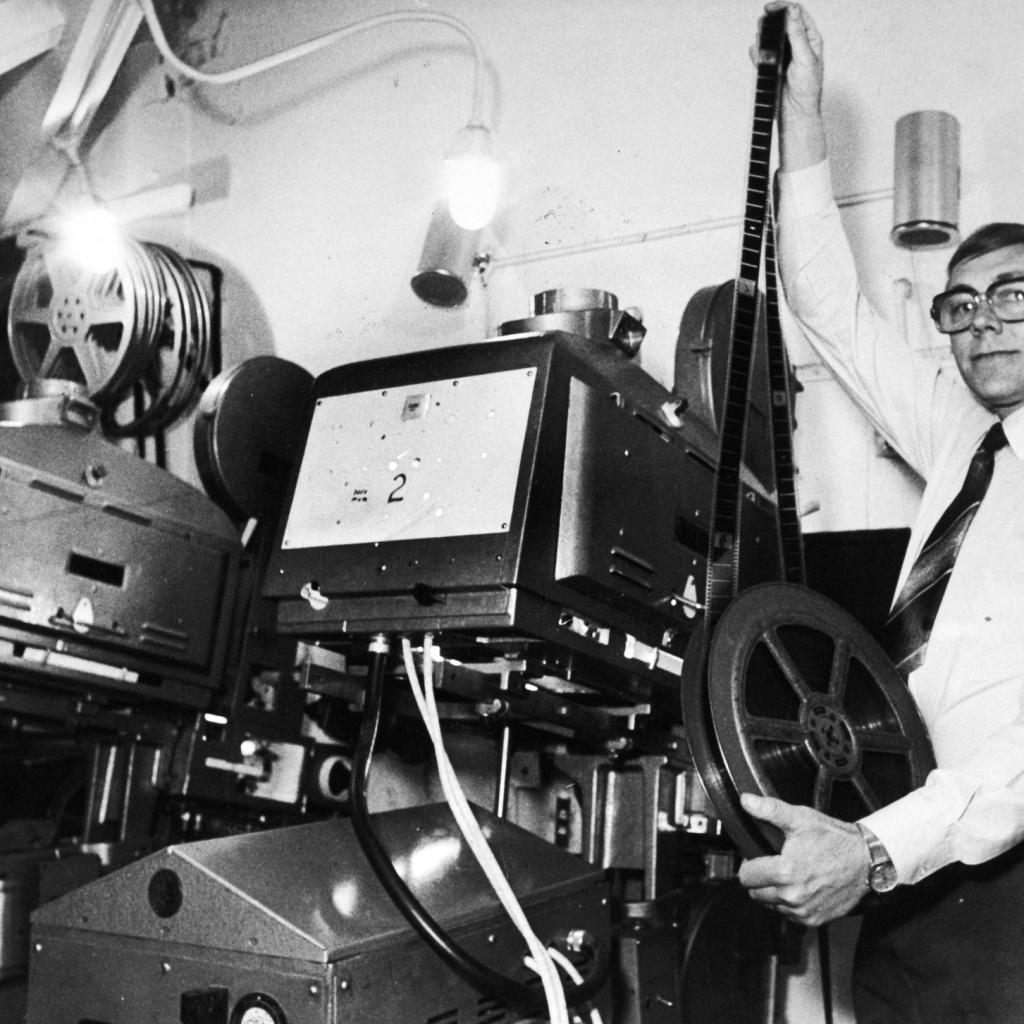
Our building contains reminders of other cinemas which didn’t survive. The Art Deco clock in the main auditorium came from the Gaumont cinema, which closed in 1961 and is now the O2 Academy, and our two Cinemeccanica 35mm projectors were from The Lounge in Headingley when it closed in 2005.
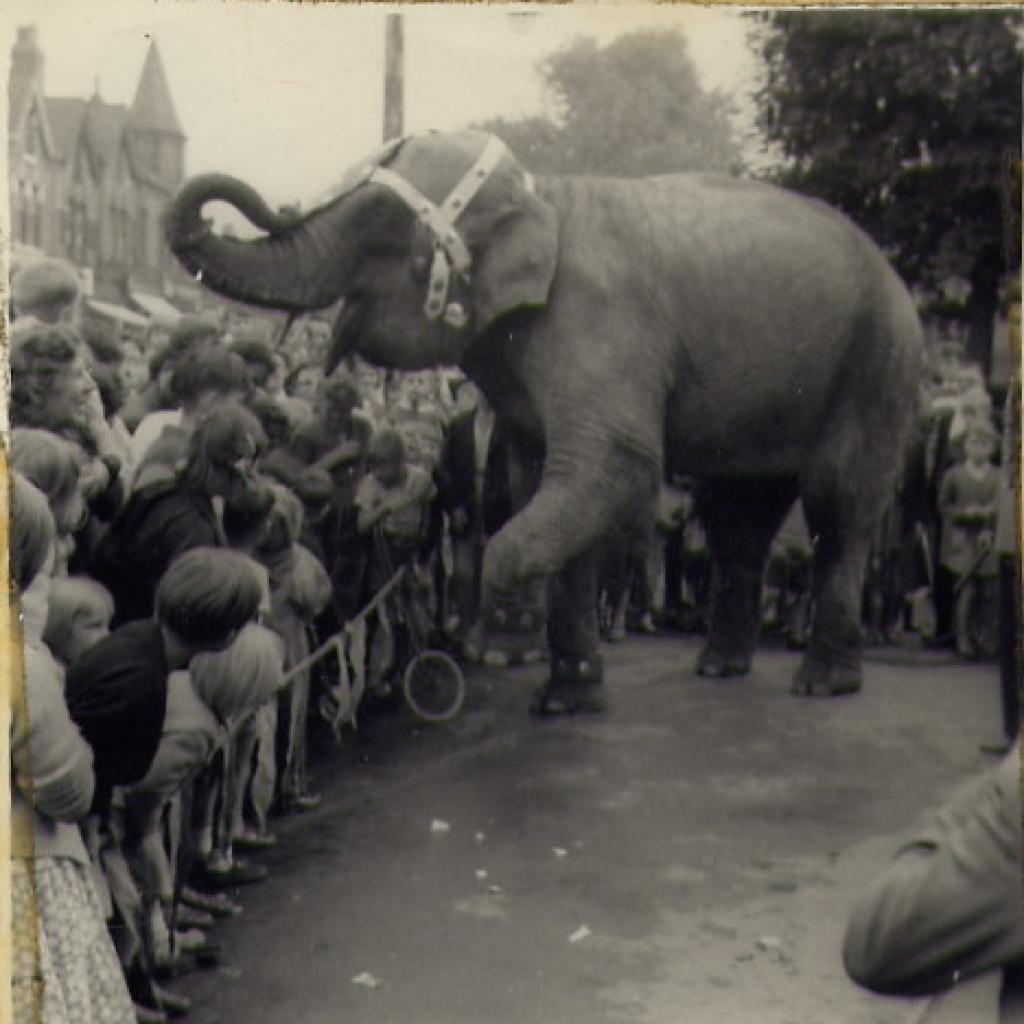
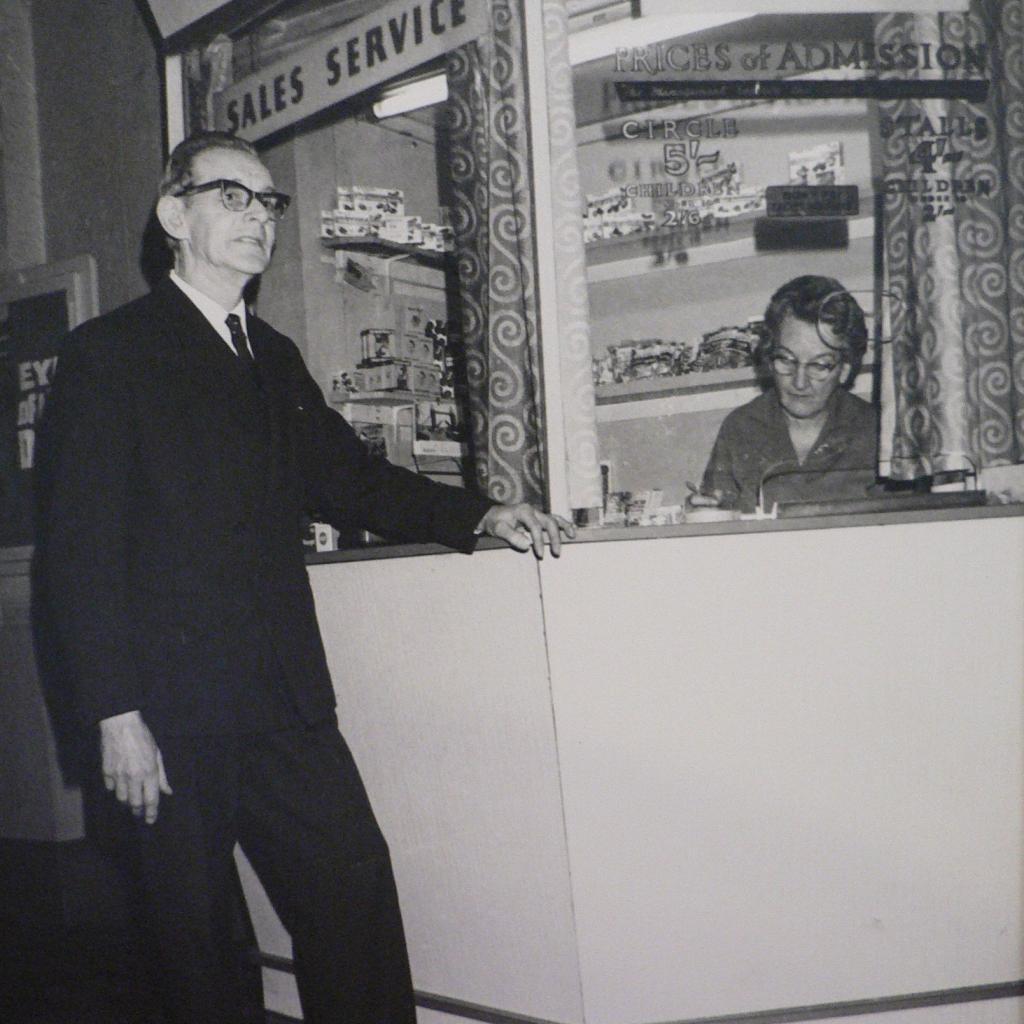
Management efforts to save HPPH included a publicity stunt in 1959, where an elephant paraded outside the cinema to advertise The Big Hunt. Even more dramatically, the nephew of former manager Len Thompson re-mortgaged his home to save the cinema.
Lorna & Marie interview
In this video we meet Lorna and Marie, whose dad Brendan worked as the Picture House’s Commissionaire in the 1950s.
The story of the elephant at the Picture House
1970-1989: Decline & the saving of HPPH
When HPPH was at risk of closure in the 1980s, passionate supporters of the cinema formed the charity Friends of Hyde Park Picture House in 1984.
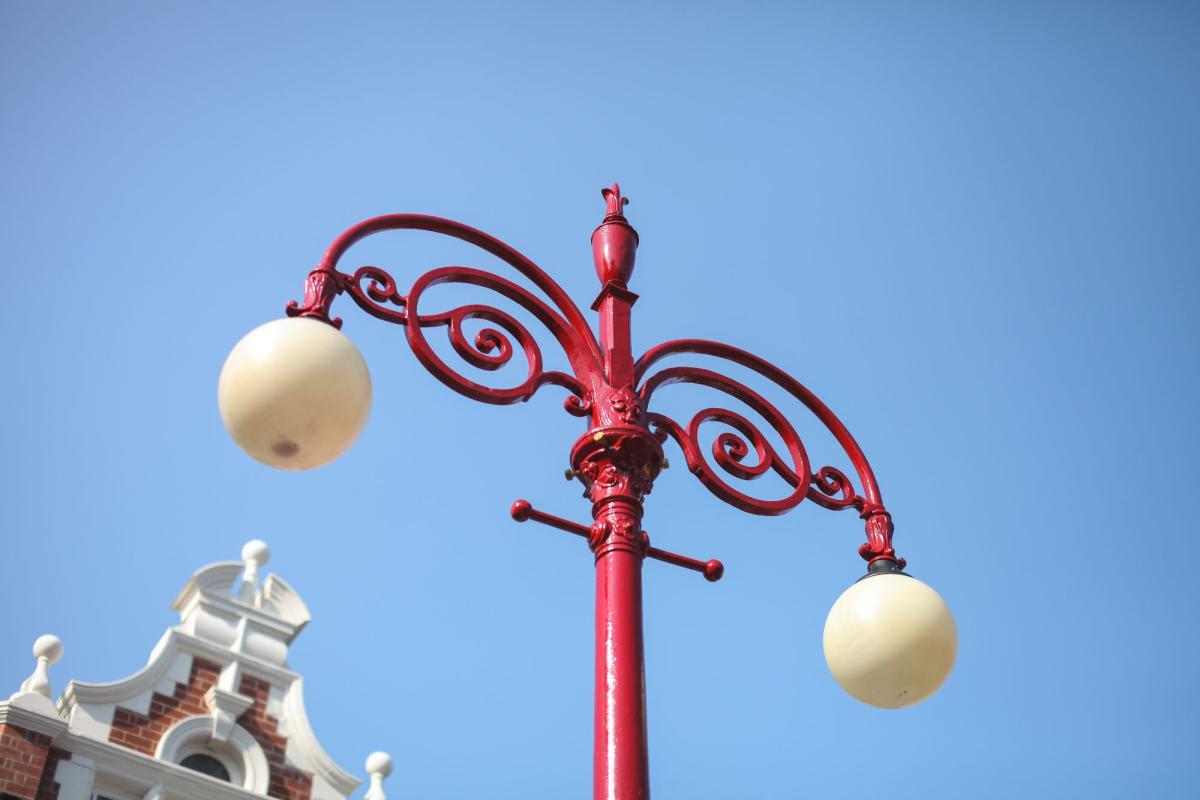
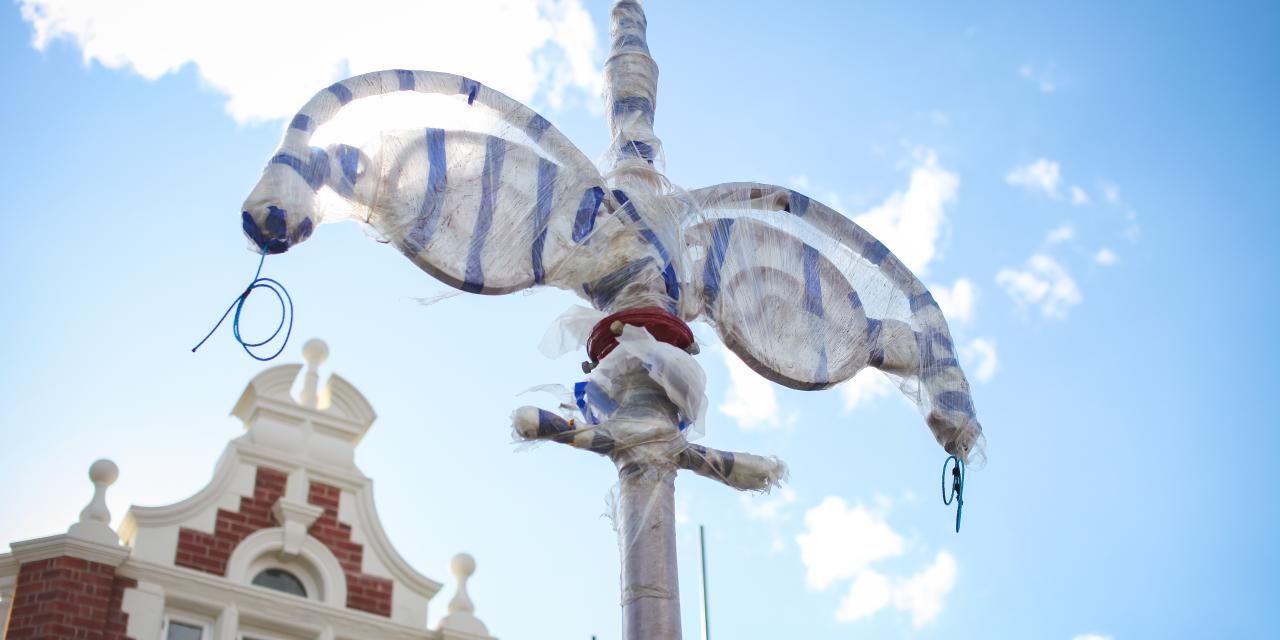
The group are to thank for the Grade II listing of the building and the ornate external lamppost, and much fundraising over the years.
By 1984, cinema attendance in Britain had declined to one million a week, so this was the perfect time for the Friends of Hyde Park Picture House to come to the rescue!
In 1987, the first Leeds International Film Festival took place at HPPH, a festival we still work with today.
In 1989, when at risk of closure, the Picture House was taken over by Leeds City Council to become part of what is now a separate charity, Leeds Heritage Theatres. We remain part of Leeds Heritage Theatres today with our sister venues, Leeds Grand Theatre and City Varieties Music Hall.
1990-2013: Change & adaptation
In this period, DVDs appeared and the Picture House adapted to a whole new world of digital projection.
The late '90s saw the rise of the DVD - a higher quality home entertainment alternative to the VHS.
This period also marked the huge transition to digital filmmaking and digital projection. This made global distribution of films easier, making it more viable to screen international films without the cost of 35mm print distribution. From 2009 onwards, digital film screenings via digital projectors became the most common way to project. Many cinemas got rid of their 35mm projectors. However, purists will be glad to know that we adjusted to digital projection, but also kept the art of traditional film projection alive, holding onto our 35mm projectors and the skills to use them.
-(1)-smaller-wide.jpg)
2014: HPPH's Centenary
To celebrate the cinema's centenary, the Picture House's management committed to securing its future for the next 100 years and beyond.
Early feasibility studies for a new basement cinema at the Hyde Park Picture House began in 2005. For the cinema's centenary in 2014, the management committed to looking into ways to secure its future.
To mark HPPH's 100th birthday, the team transported the cinema back to 1914 for the night. They screened films from the year the cinema first opened, such as news reels, travelogues, dramas, and comedies, like the first Chaplin film. A live swing band also performed, taking audiences back to that era.
2015-2023: The Picture House Project
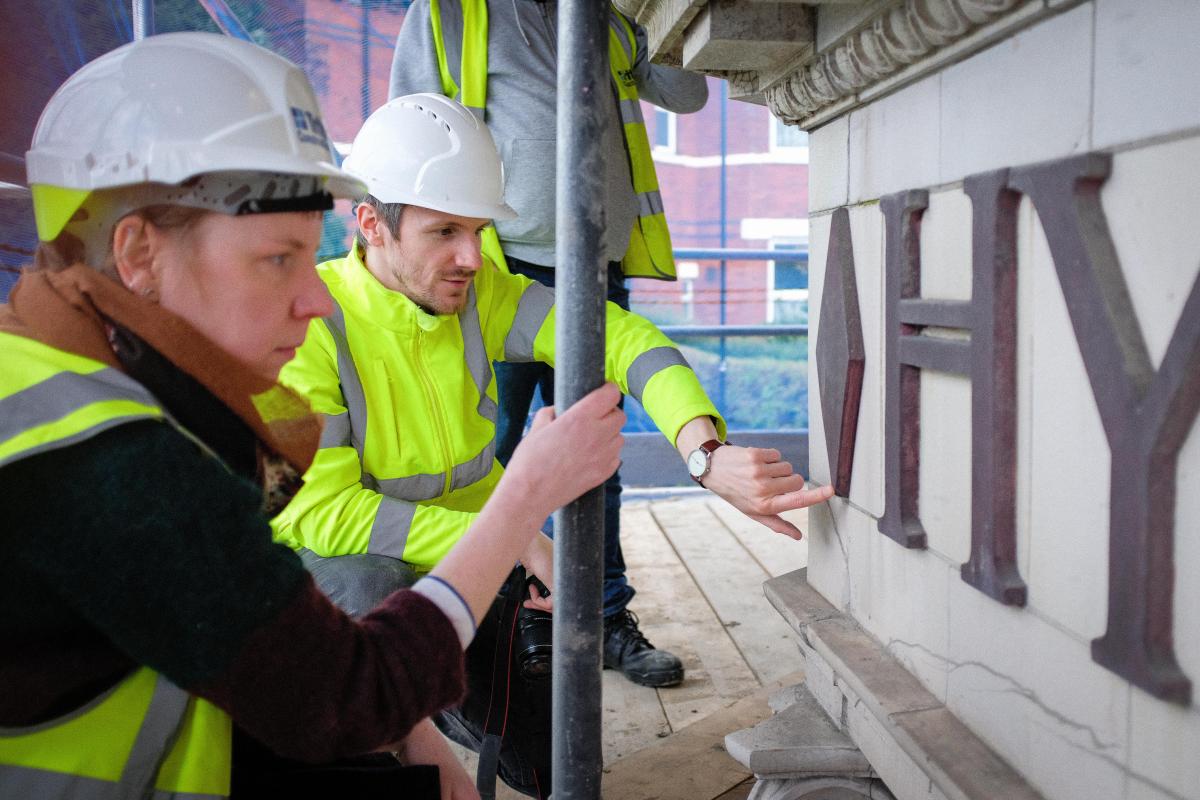
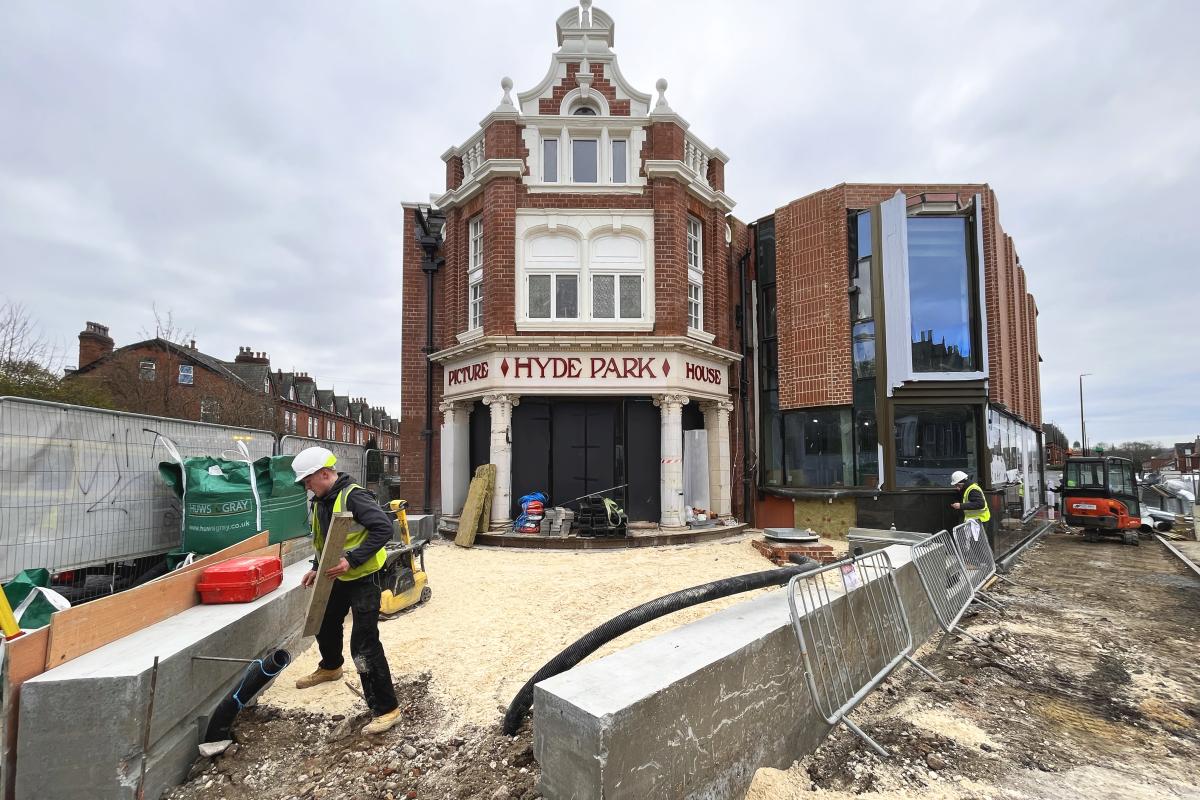
From 2020-2023, the COVID-19 pandemic, followed by the Picture House Project, meant that the cinema was closed. During this time, specialist attention was given to conservation of heritage features; we expanded to create a new Cafe Bar, make our building more accessible and create a new screen in the basement.
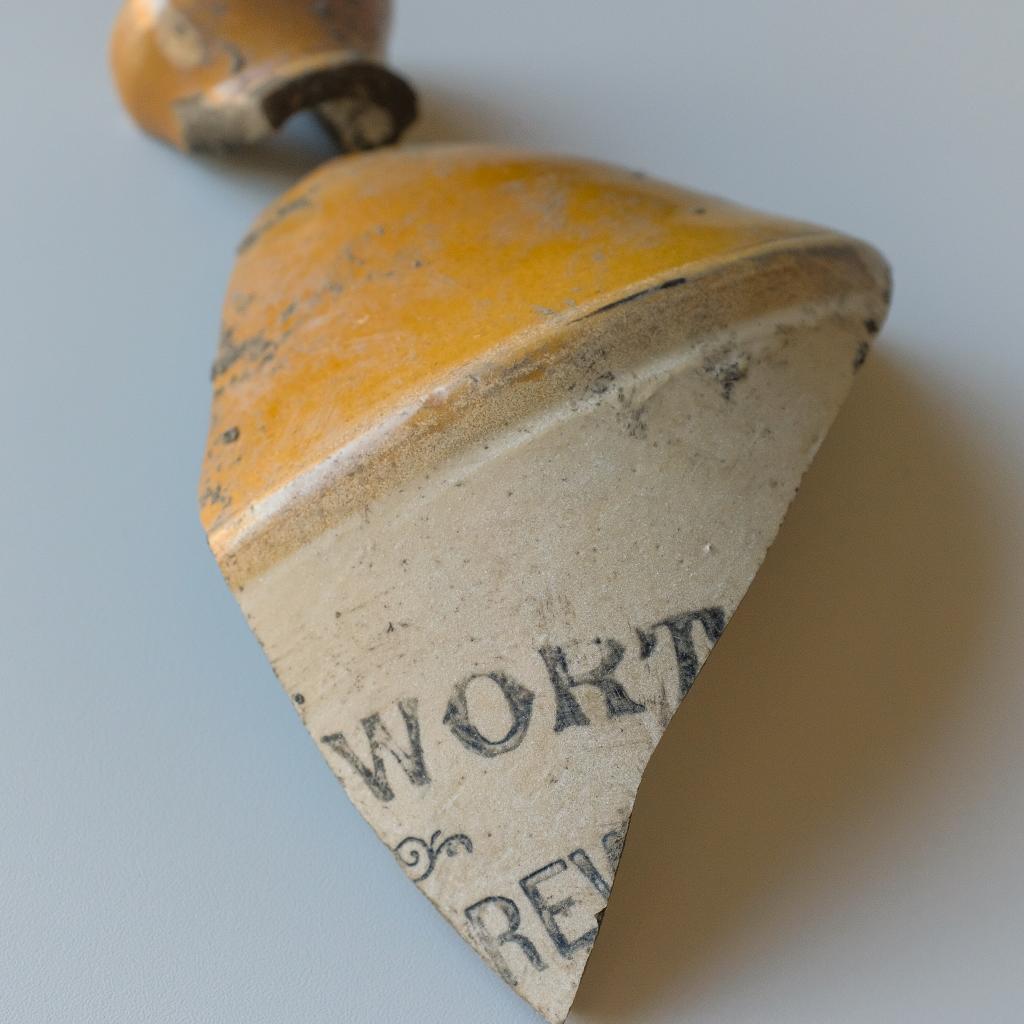
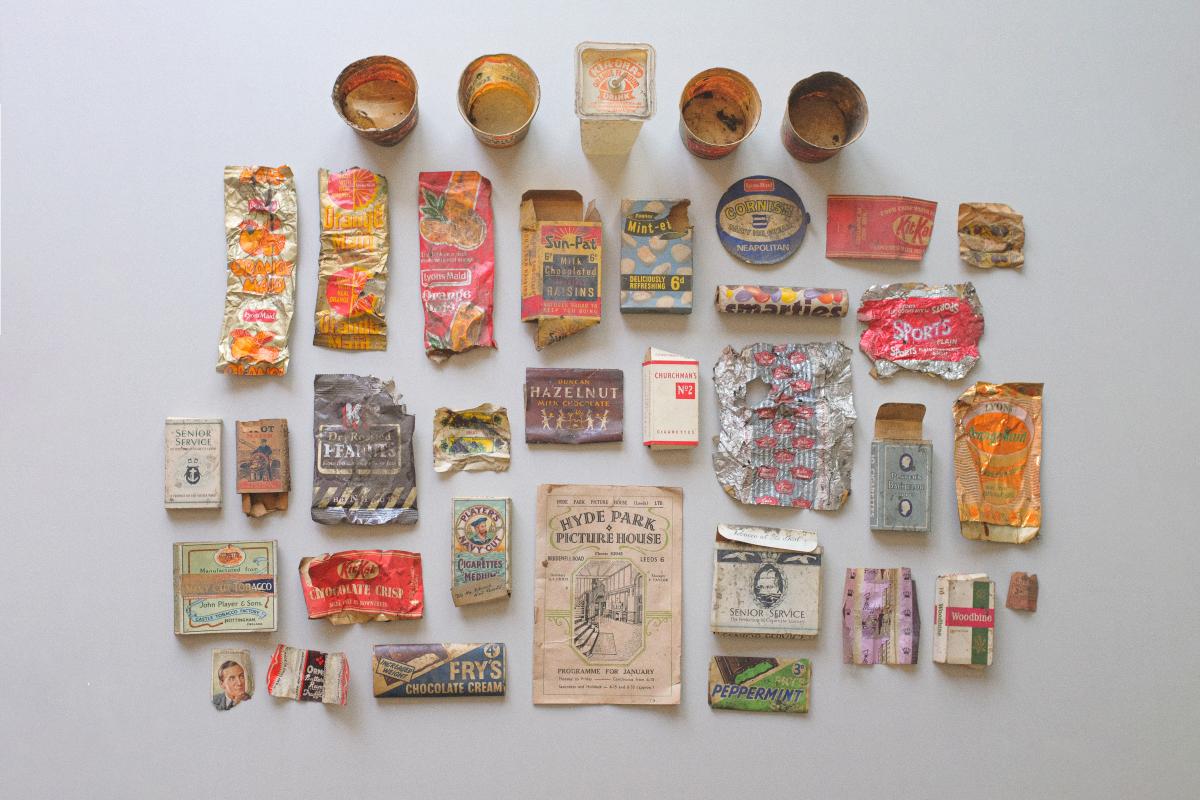
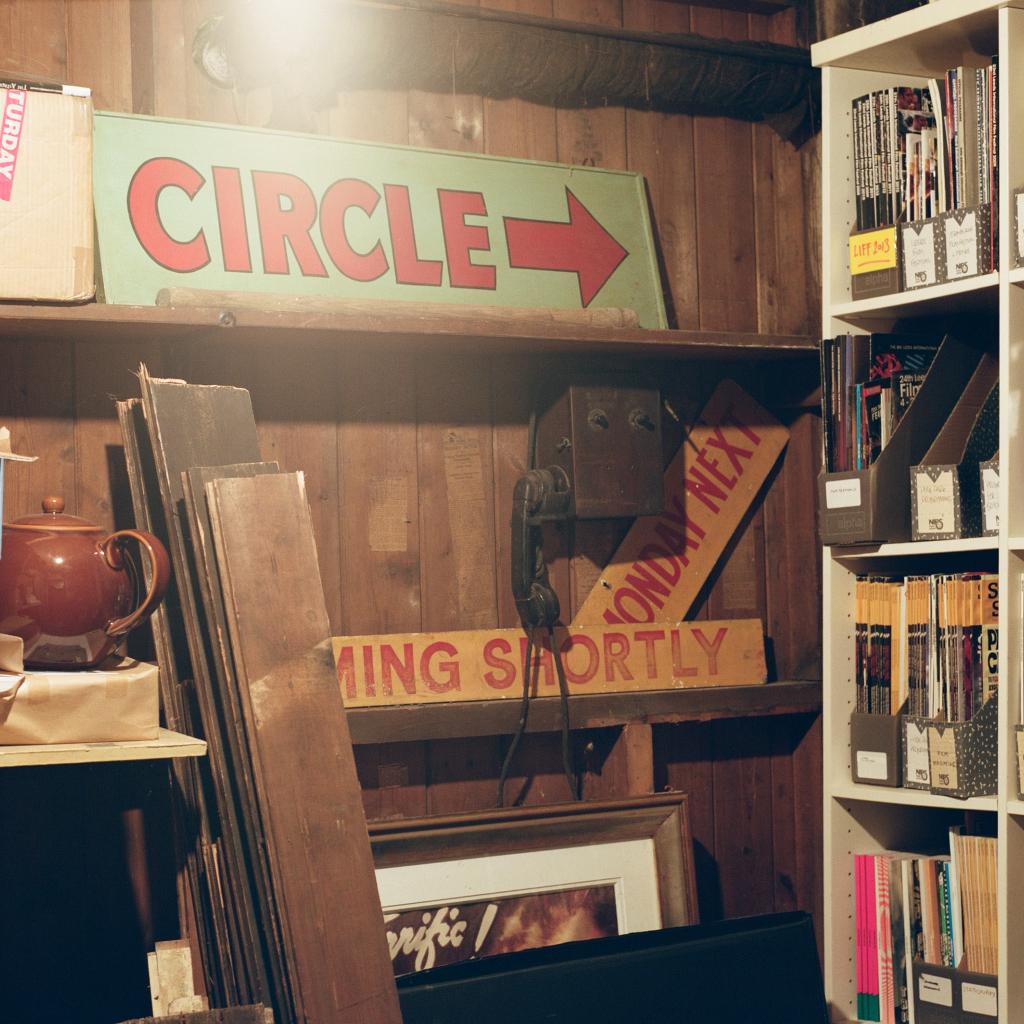
The Picture House Project was made possible largely thanks to funding from the National Lottery Heritage Fund, Leeds City Council and sponsorship from cinema patrons. During this redevelopment project, we discovered new artefacts from throughout the Picture House's history. You can read about our Treasure Trash Tuesday finds here.
In September 2021, the Hyde Park Picture House and This Way Up Conference asked artist and filmmaker Joe Goff to visit the cinema and produce a short film.
The result is a snapshot of the Picture House at a unique and transitional period in its history – with individuals connected to cinema discussing their feelings of apprehension, excitement and hope during this unusual time.
To keep the people of Leeds entertained during our closure period, we began an On The Road programme from May 2021. We programmed films in venues like City Varieties Music Hall, Leeds University Union, HEART (Headingley Enterprise and Arts Centre), 42 New Briggate and Left Bank.
Architectural model for the Picture House Project
2023-Today: A cinema renewed
Thanks to The Picture House Project, HPPH is more financially sustainable, more accessible, and our heritage features have been protected to be enjoyed by future generations.
We continue to be the only gas-lit cinema in the world, but not stuck in the past, as we're finally physically accessible and we've tackled barriers like cost with regular weekend Pay What You Can screenings. We programme films from all over the world, both old and new. We play big blockbusters as well as smaller independent gems. We're still a small cinema, but work with local, national and international partners to entertain and make an impact on the film world.