The Blood On Satan’s Claw: A Journey into Eerie Albion
Britain's spectres exhumed in film
George Parr
Here, deep in forgotten valleys and high on desolate moors, the land is haunted by the ghosts of its past. History folds in on itself and the trauma of the landscape hangs heavy. A sense of something unseen, something unnatural, something uncanny, is inescapable. You can explore this haunted Britain by walking the landscape, by unearthing the past in your mind’s eye, but you can also find it strewn throughout contemporary art, literature, and of course film.
For generations now the trauma of the land and the spectres of its storied history have been inspiring the artists and storytellers of Britain, unearthing the eerie in the everyday. This sense of the uncanny – a creeping dread rather than an outright attack – is there in the haunting relics of M. R. James’ ghost stories, in the converging myths of Alan Garner and Susan Cooper's fantastical novels, and it's there in the psychogeographic travel writings of Edward Thomas or, more recently, Robert MacFarlane. In the ‘70s it was abundant in children’s TV shows like Children of the Stones or The Owl Service, or the infamous A Ghost Story for Christmas series and the Play for Today anthology.
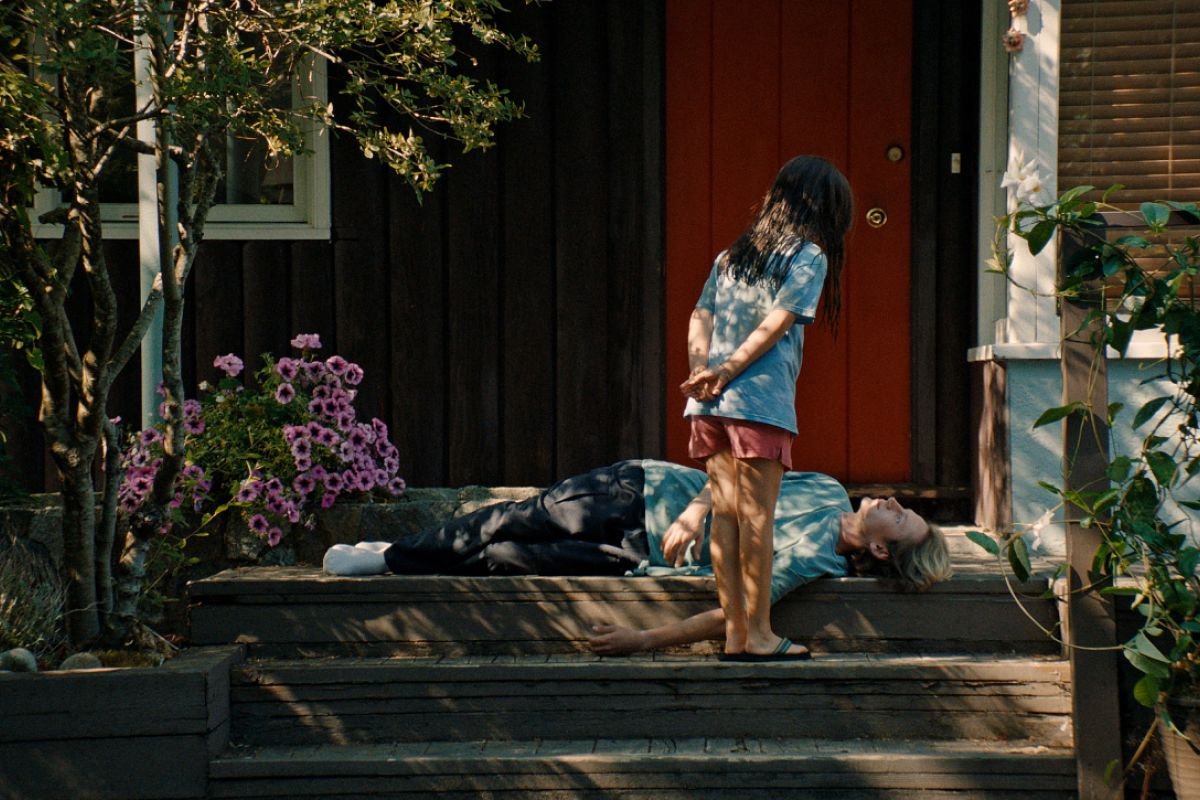
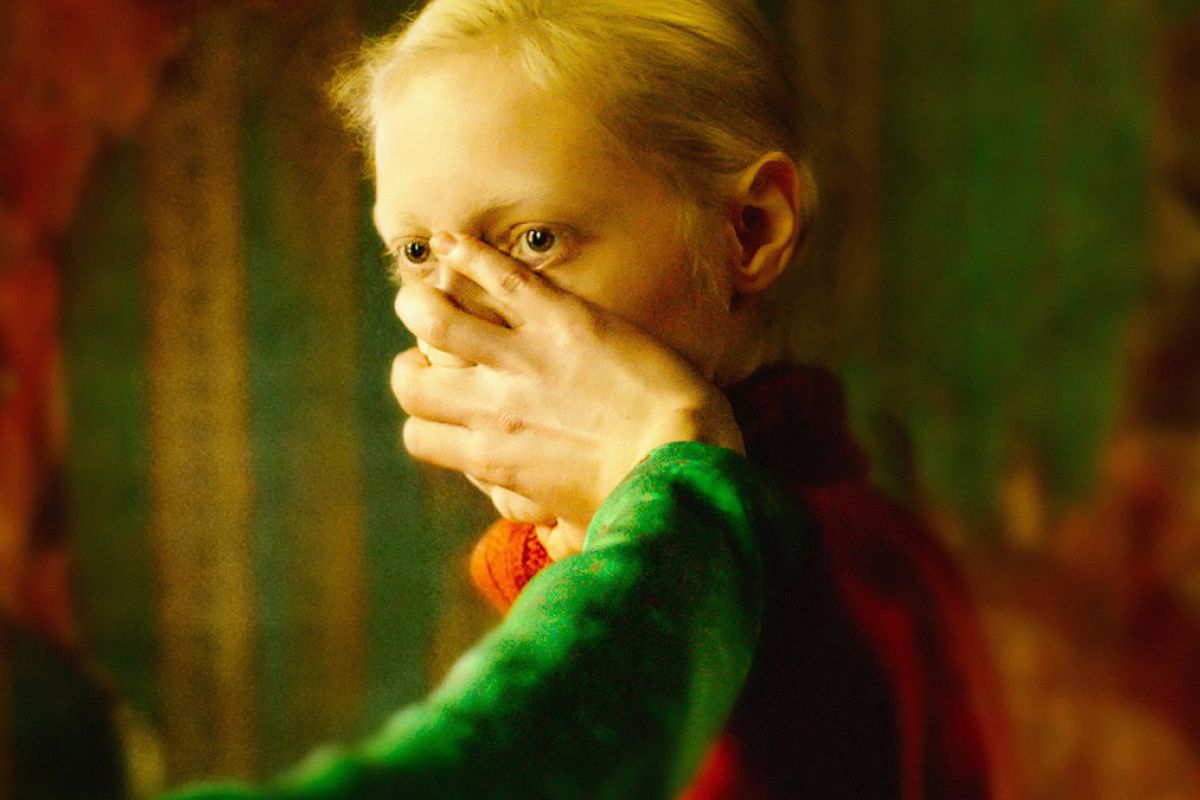
Most famously, however, it is found in British cinema. Today this legacy is alive and well in films like Starve Acre (2023), Rabbit Trap (2025), and The Moor (2025), but each of these films owes at least a small debt to the foundational texts of British folk horror, the “Unholy Trinity” of The Wicker Man (1973), The Blood On Satan’s Claw (1971), and Witchfinder General (1968). These films are not the only folk horror titles of their day, nor were they considered to be connected at the time, rather, they have been bundled together in hindsight to help define a quiet movement that went almost undetected at the time.
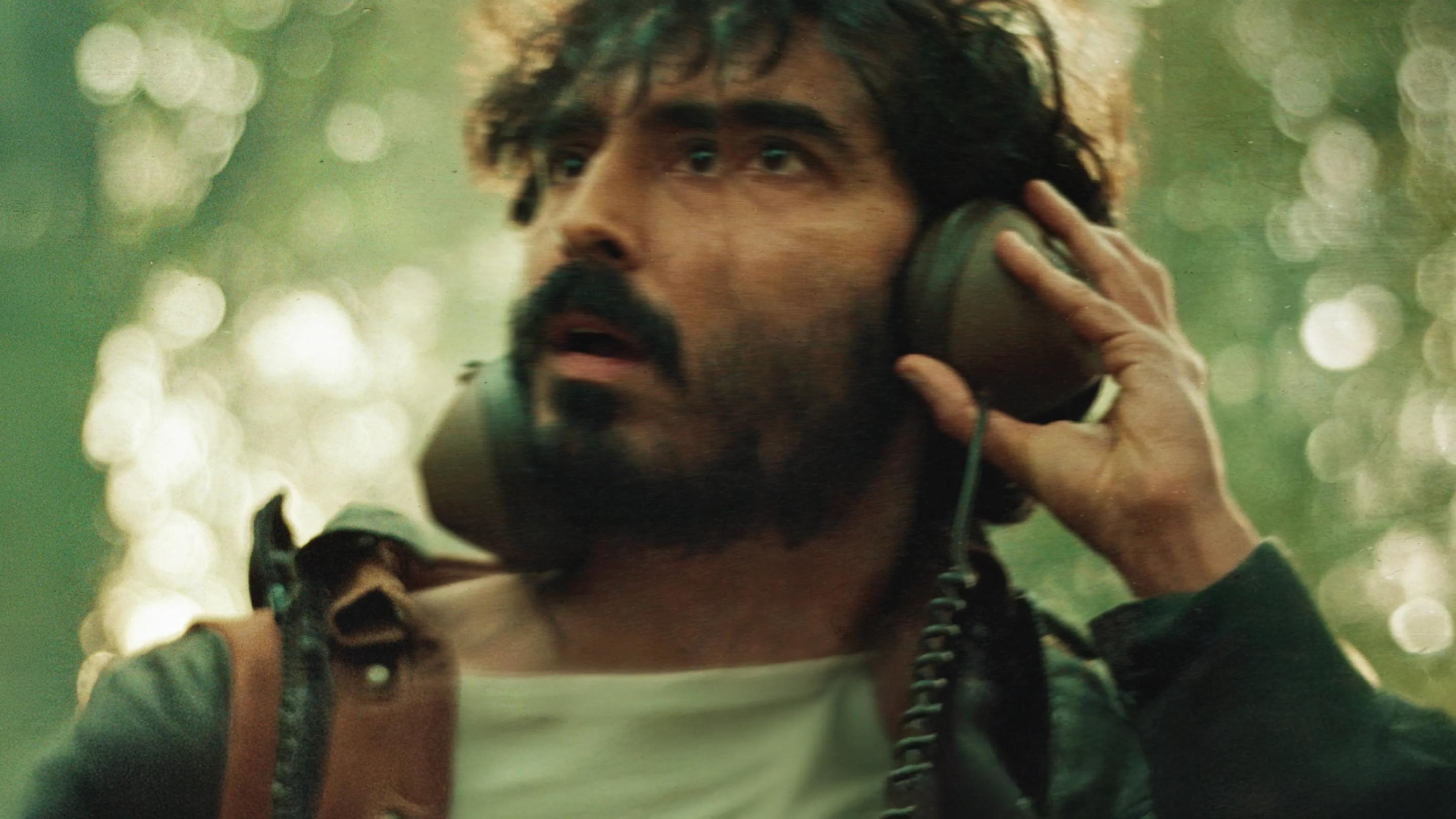
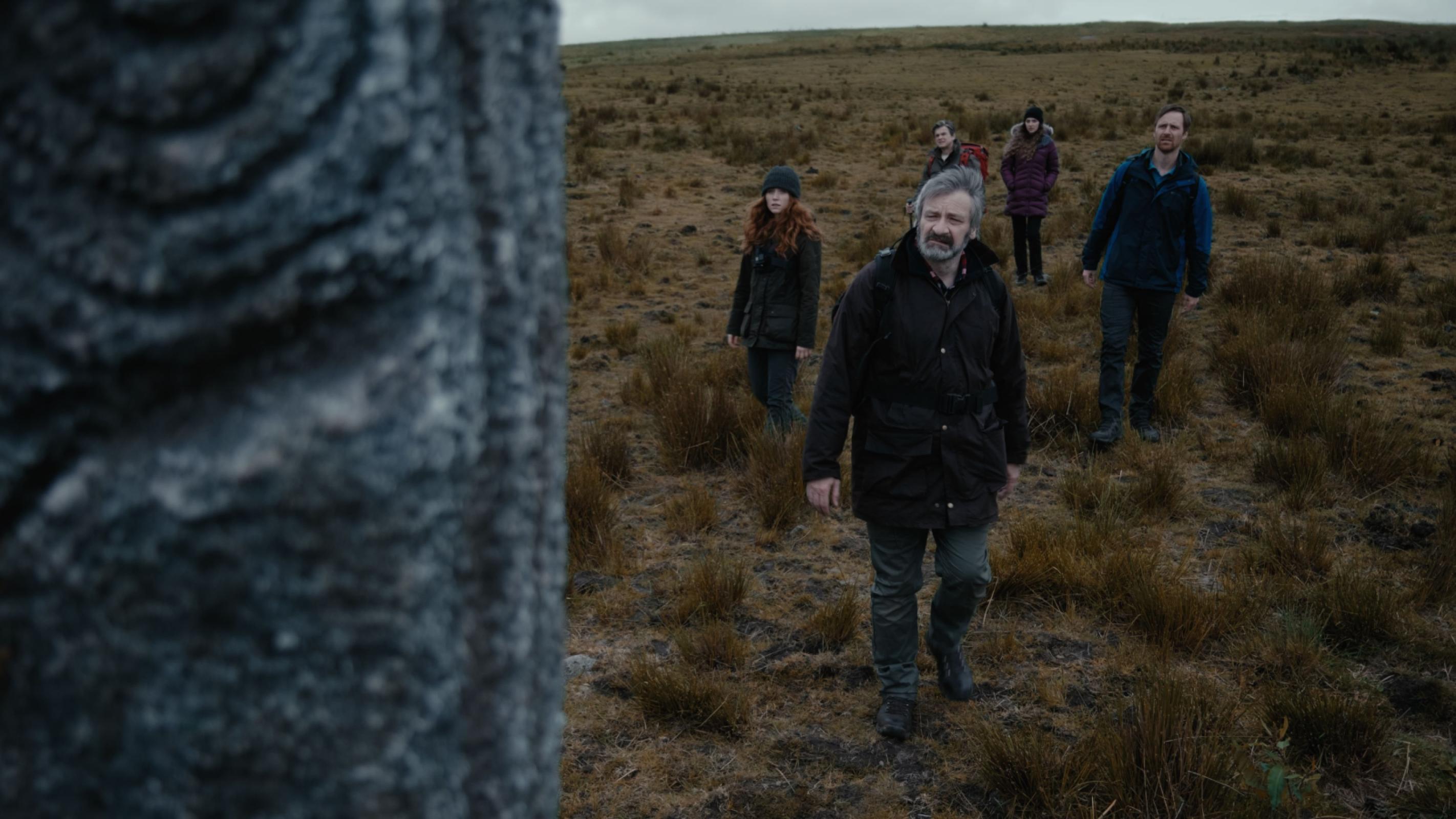
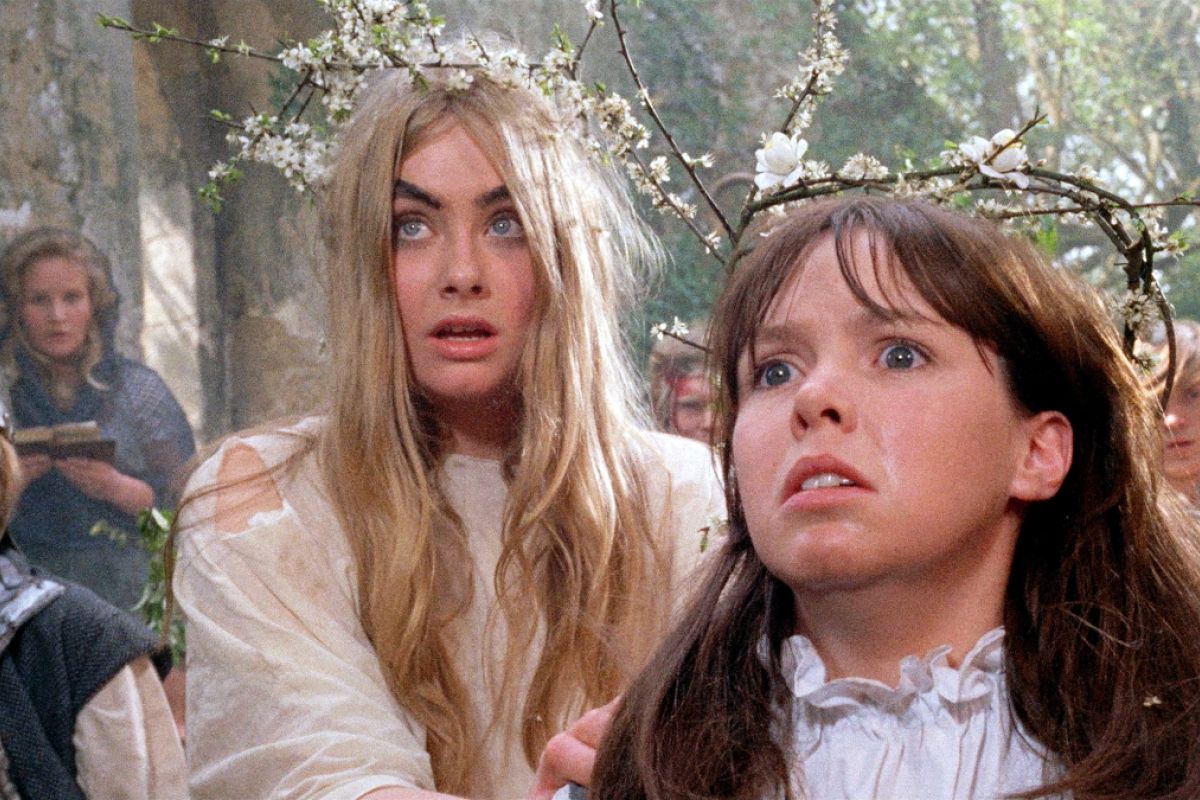
Of these three, The Wicker Man is undoubtedly the most celebrated, and for good reason, but The Blood On Satan's Claw is arguably the one which best encapsulates what it means to exist in a haunted Britain. Writer Robert Wynne-Simmons originally envisaged it as an anthology of three horror stories set in a rural village, inspired by the theory that Christian religious sites were often built upon pre-existing places of pagan worship. He and director Piers Haggard later reworked this anthology into a single cohesive narrative, and The Blood On Satan's Claw, sometimes also known as The Devil's Skin, was born.
Unlike both The Wicker Man and Witchfinder General, the occult threat of The Blood On Satan's Claw is entirely real, entrenching the whole affair in the sort of moral grey area in which folk horror thrives. The push and pull of religion and witchcraft, class and gender, sex and sin, makes it an intriguing watch with few clear answers. Even here, where the beast may indeed be real, the true monster is always humanity.
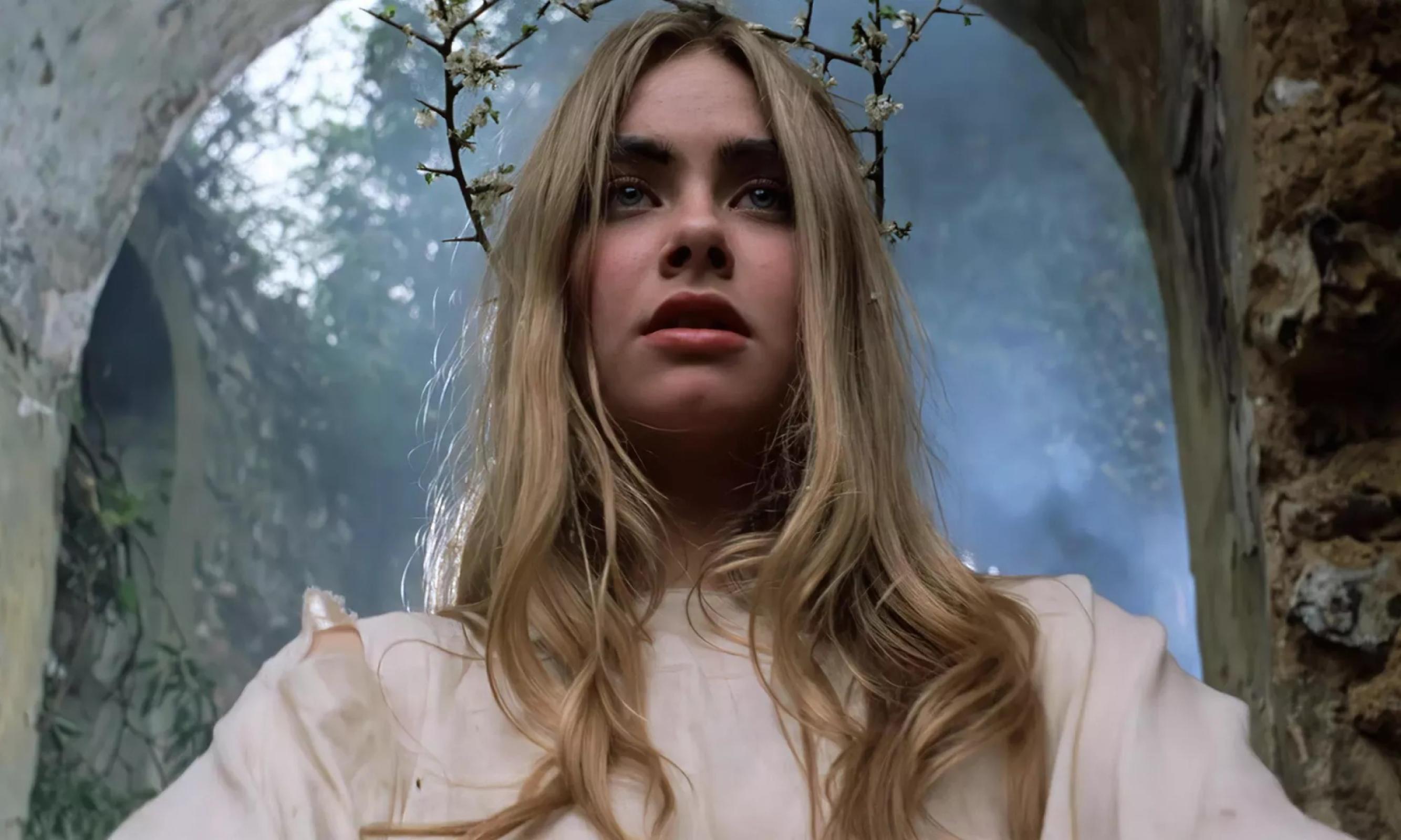
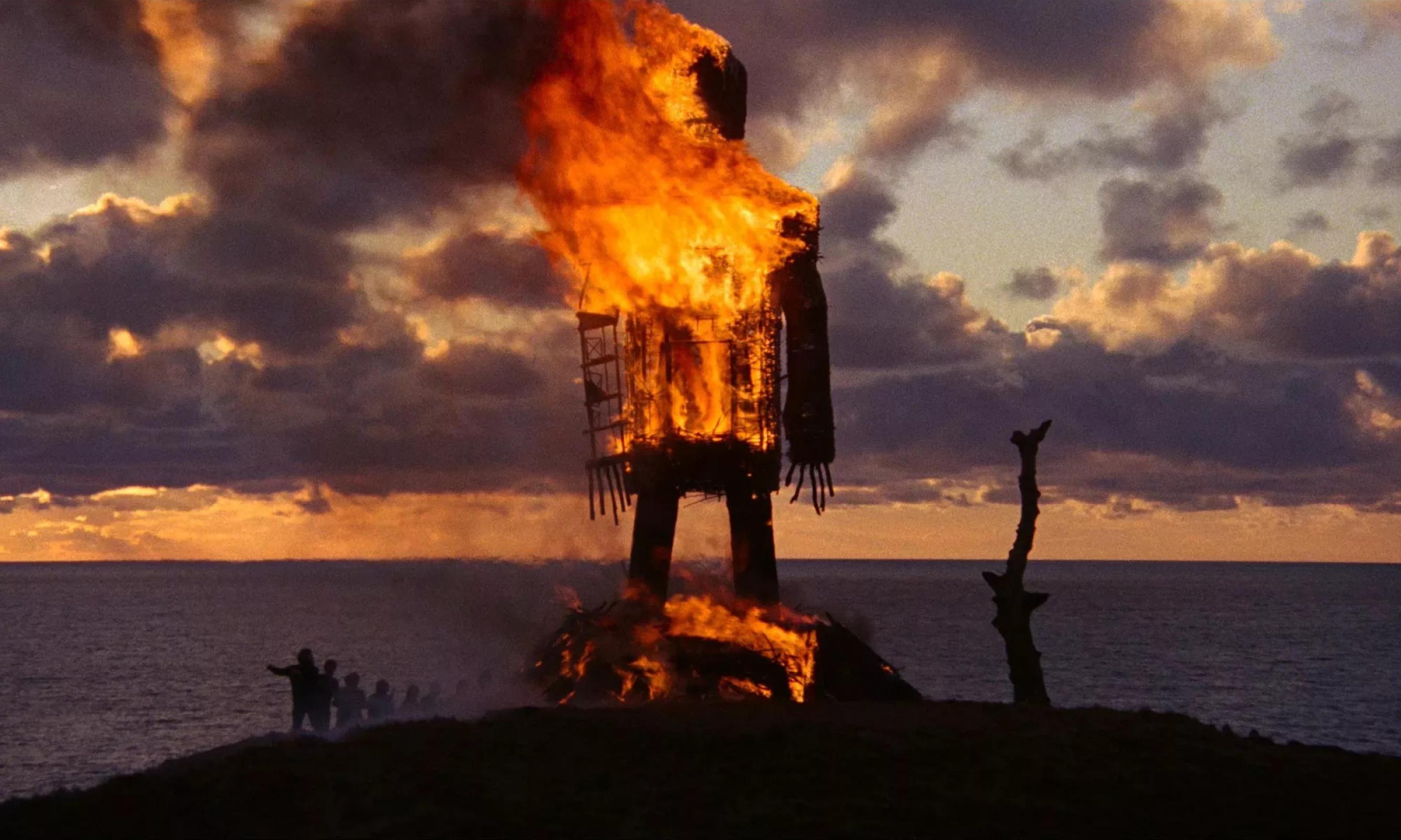
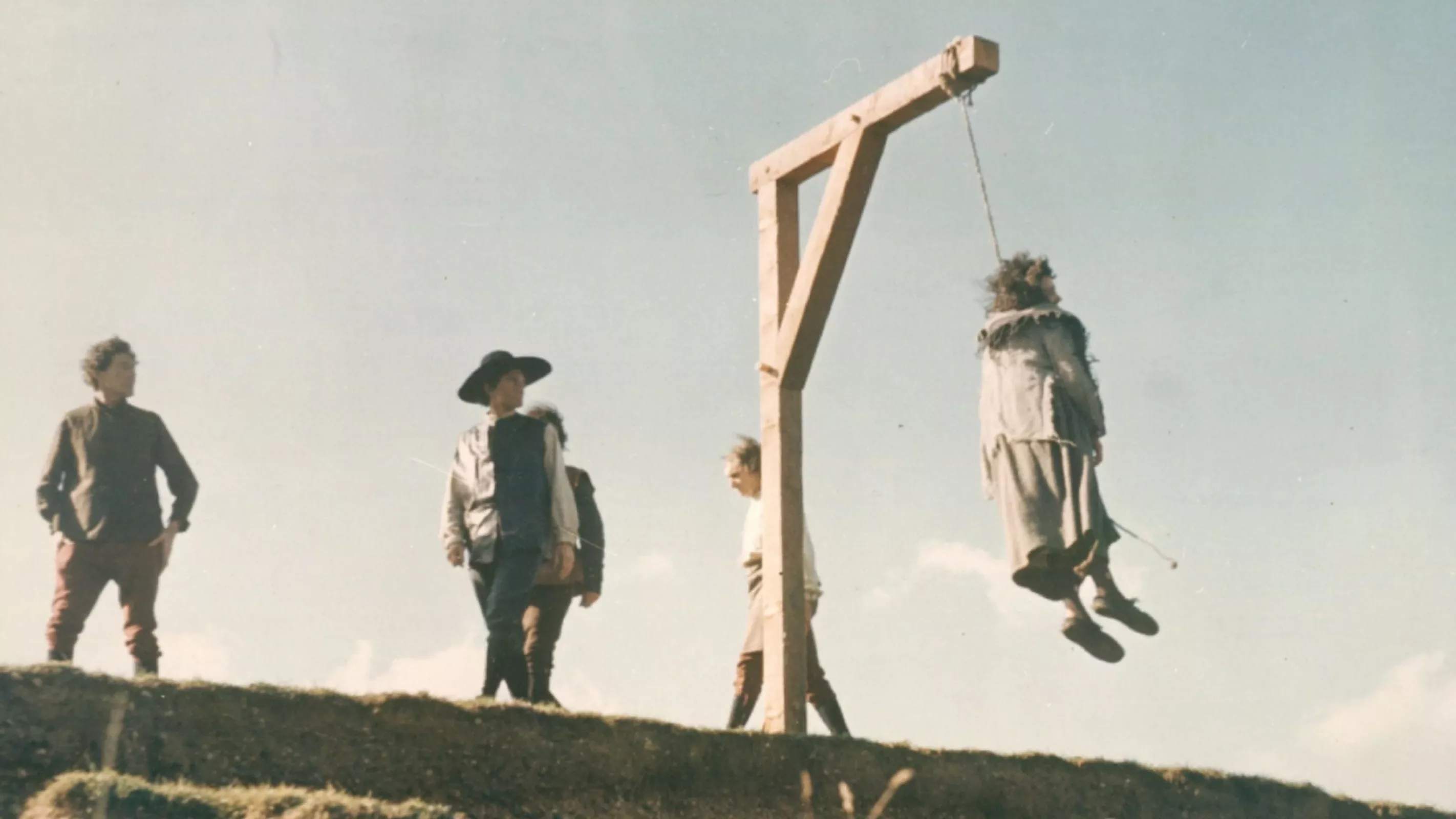
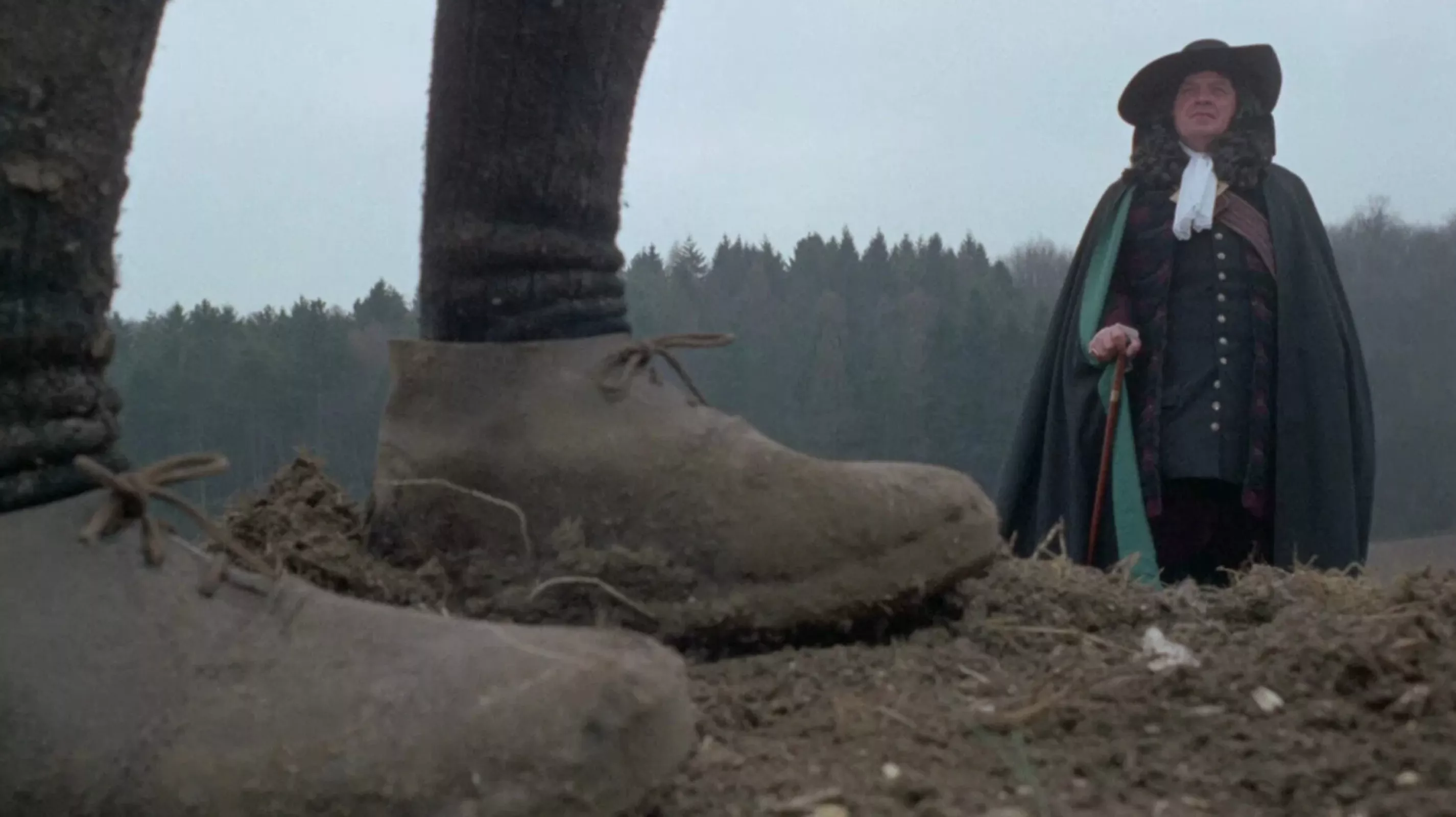
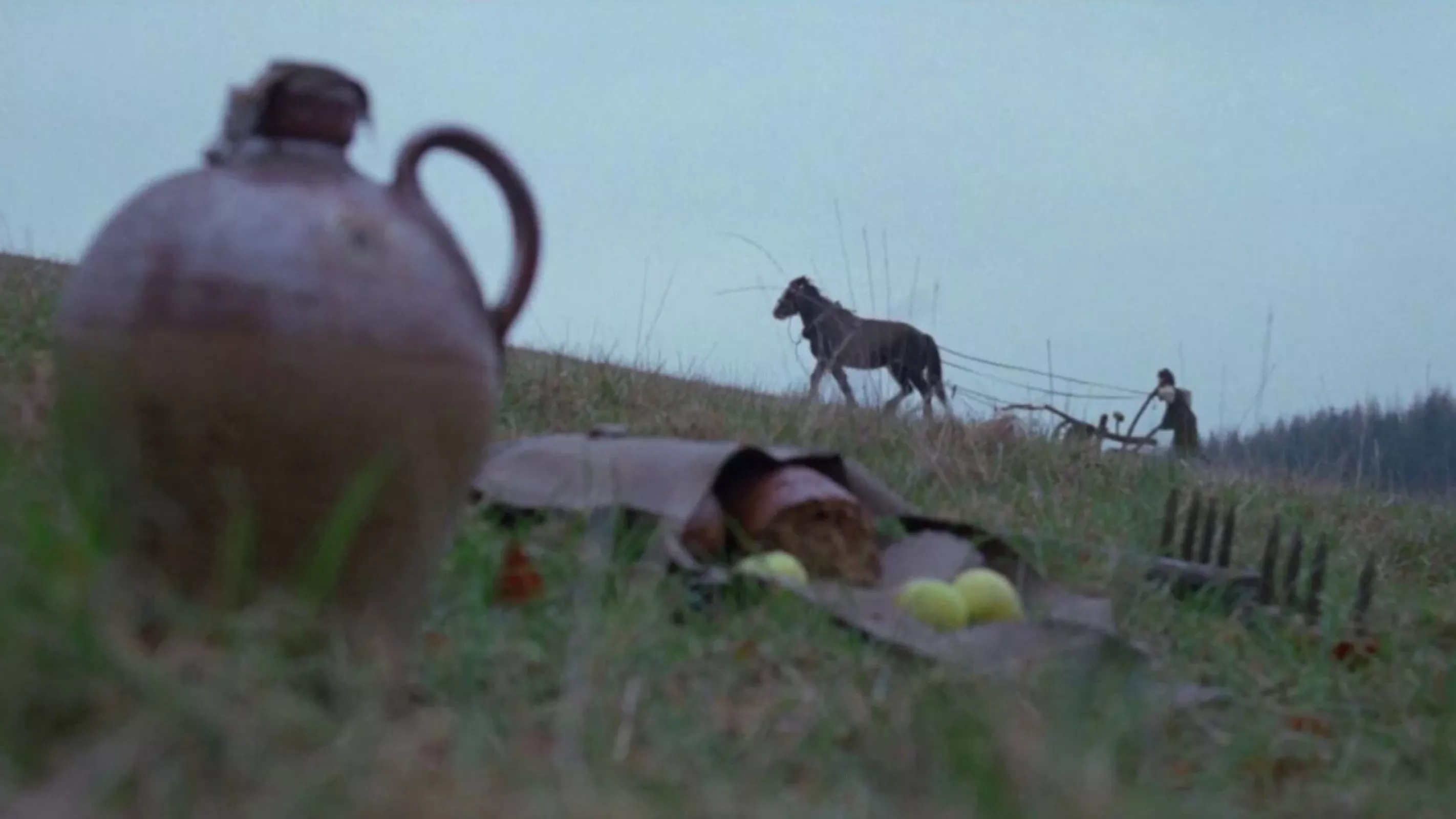
The horror of The Blood On Satan's Claw is buried deep in the soil, festering beneath the fields until it is exhumed by mere chance. This is what it means to live in a haunted landscape, a land rich with a sense of the eerie; a land of restless dead and cursed relics. Such horrors do not leap out and shout “boo”. They seep into your psyche, incited by mere suggestion and half-seen glimpses. In the film, the uncanny forces of the landscape are hinted at by a subtle creative flourish in which the camera is often placed at ground level. Peering up from the furrows, the land itself becomes a character with a perspective of its own, leering at the unwary villagers as they edge ever closer to chaos and barbarity.
When violence ensues, the vivid sheen of fresh blood is placed in stark contrast with the earthy greens of the countryside. As the monstrousness reaches its peak, one particularly nasty scene can be a tough watch. Haggard is on record as regretting the sexual violence depicted – in hindsight a step too far, filmed for the sake of shock value alone. Viewer discretion is most certainly advised. More effective is the tension of the finale, where violence on both sides seems inevitable. The eerie workings of the land come to a head, its darkest secrets laid bare.
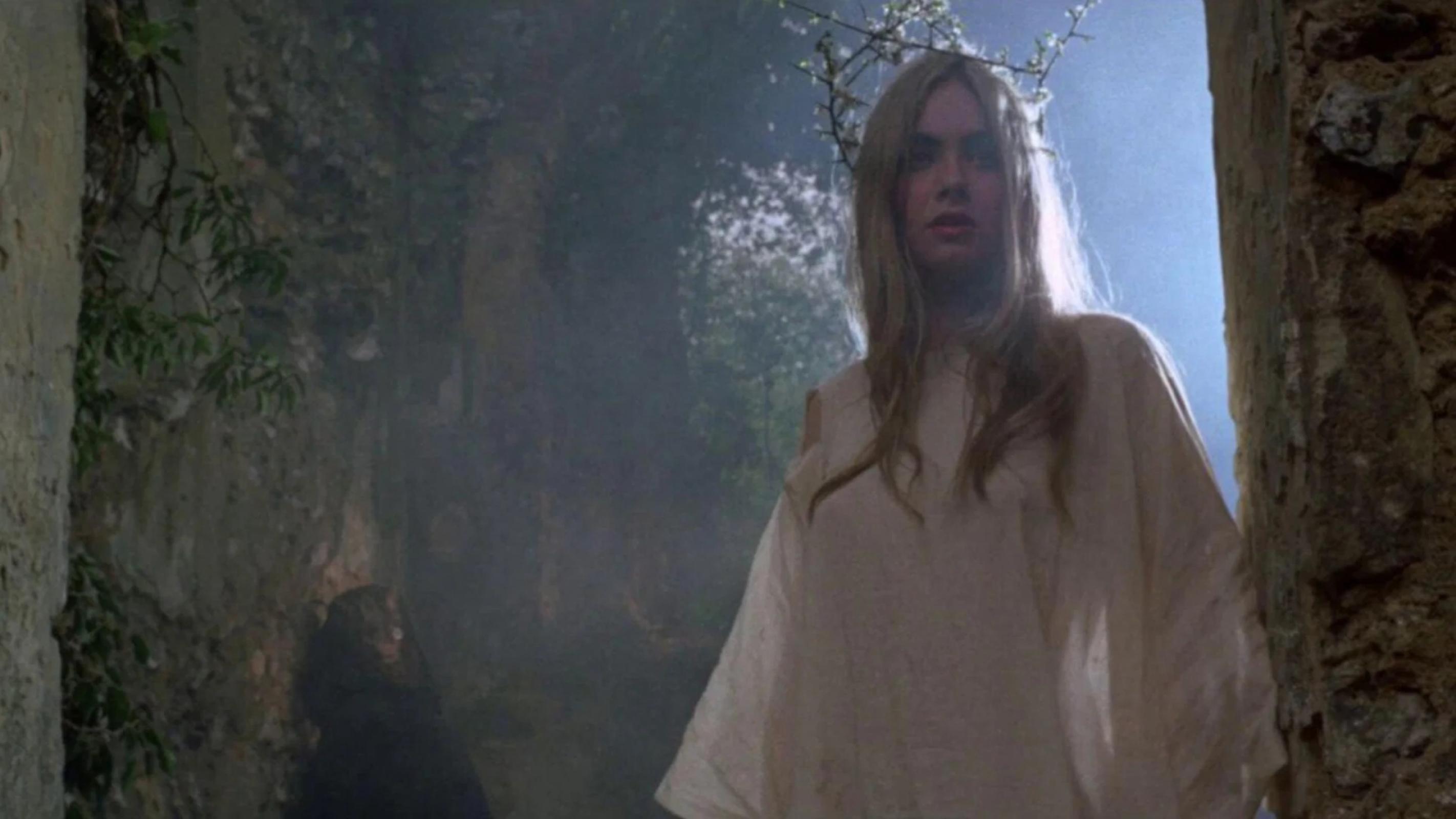
When people speak of Albion in place of Britain, they are alluding to a mythologised ideal of what Britain could be. Albion is a historical name for this island, but it's also a mythic and poetic conceit conjured up by writers and musicians and poets envisioning an almost idyllic version of this lonely archipelago. British folk horror is what happens when the dream of Albion withers and dies on the bough. Quaint picturesque villages become the setting of traumatic violence. The pastoral is centred only to be disturbed and distressed.
From the forests, from the furrows, from the fields arises something ancient, something eternal. A spectral paean to the fields and hedgerows, hillsides and valleys, relics and ruins, cliffs and saltings, forests and fens, all of them unsettled by the untold secrets they have yet to reveal.
By George Parr.
George Parr is one half of Hwæt, who we are working with as part of our Myth & Ritual: Folklore on Film season. They have created the artwork for the season, as well as a limited edition zine and have selected to screen The Outcasts on Sun 16 Aug, which they will introduce. George's main focus in this piece is The Blood on Satan's Claw, which we're pleased to be showing on Sun 12 Jul at 18:00. George also discusses The Wicker Man, which we're screening on Sun 12 Jul at 20:30.
-landscape.jpg)