Hyde Park Pick: The Tale of Silyan
Martha Boyd
The cinematography is stunning. Each still is like a painting. One that I’ve framed in my mind is a beautiful muster of storks against a breathtaking sunset. But there’s even beauty in the contrast to the desolation and landfills captured in Češinovo, a village in North Macedonia, where the film is set.
The village has one of the largest stork populations in Europe – more storks than humans in fact! It’s a fascinating location for a film. Its striking bird population is coupled with desolation as lots of villagers have moved away for job prospects.
Tamara Kotevska’s original idea was for The Tale of Silyan to be an environmental documentary, capturing footage of storks eating from landfills. However, while shooting, she met 60-year-old farmer Nikola, whose story helped the film to evolve into something far more magical.
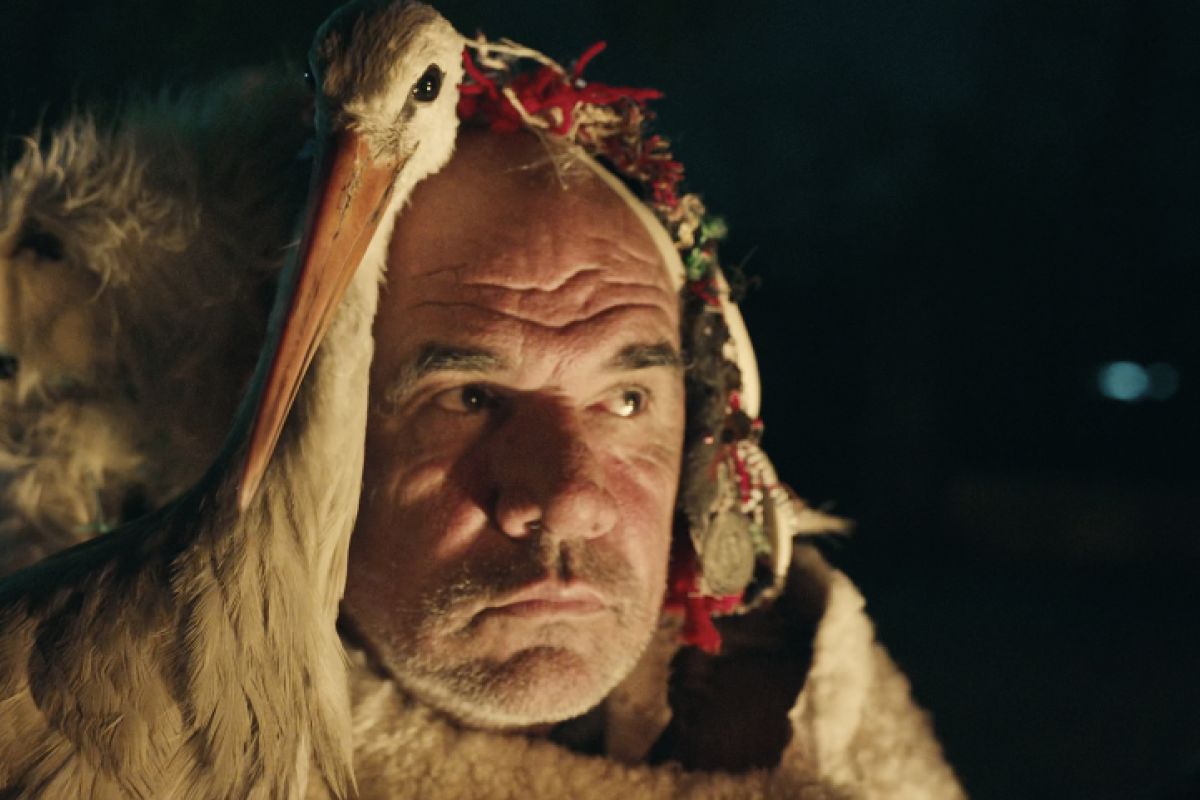
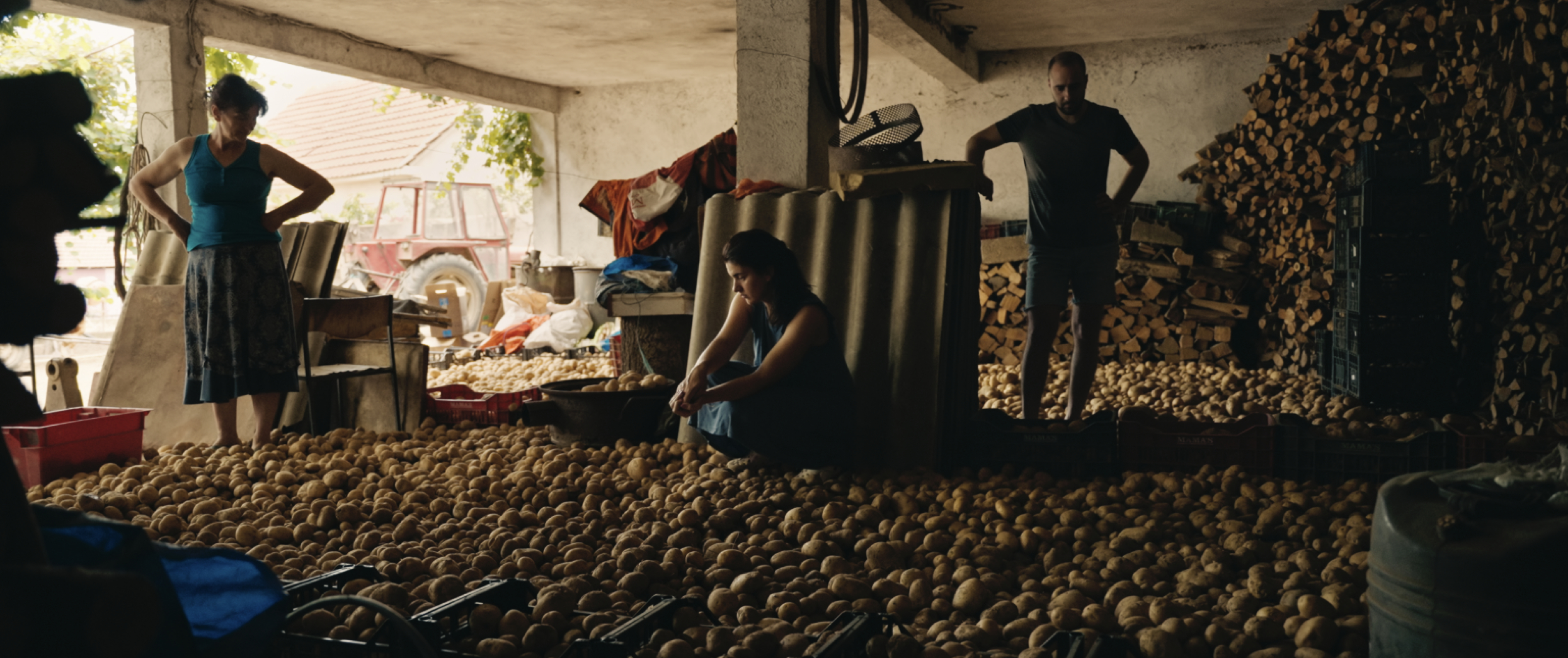
Unlike any documentary I’ve seen, the structure and storytelling style make it feel like a narrative film, whilst still being grounded in real lives and very significant environmental and economic issues. The folklore tale of Silyan, where a boy argues with his father and his turned into a stork, is intertwined with Nikola’s story. Nikola has a son who has migrated for work, just as storks migrate, and Nikola is left bereft, feeling that his Silyan may never return. Other poignant parallels between humans and storks in the films include Nikola having to find work on a landfill as the agricultural crisis becomes so crushing, and storks find themselves eating from landfills rather than thriving land.
Macedonia’s farming crisis mirrors similar situations in other countries, where farmers are devastatingly undervalued to the point that they cannot afford to continue and have to waste vast quantities of crops.
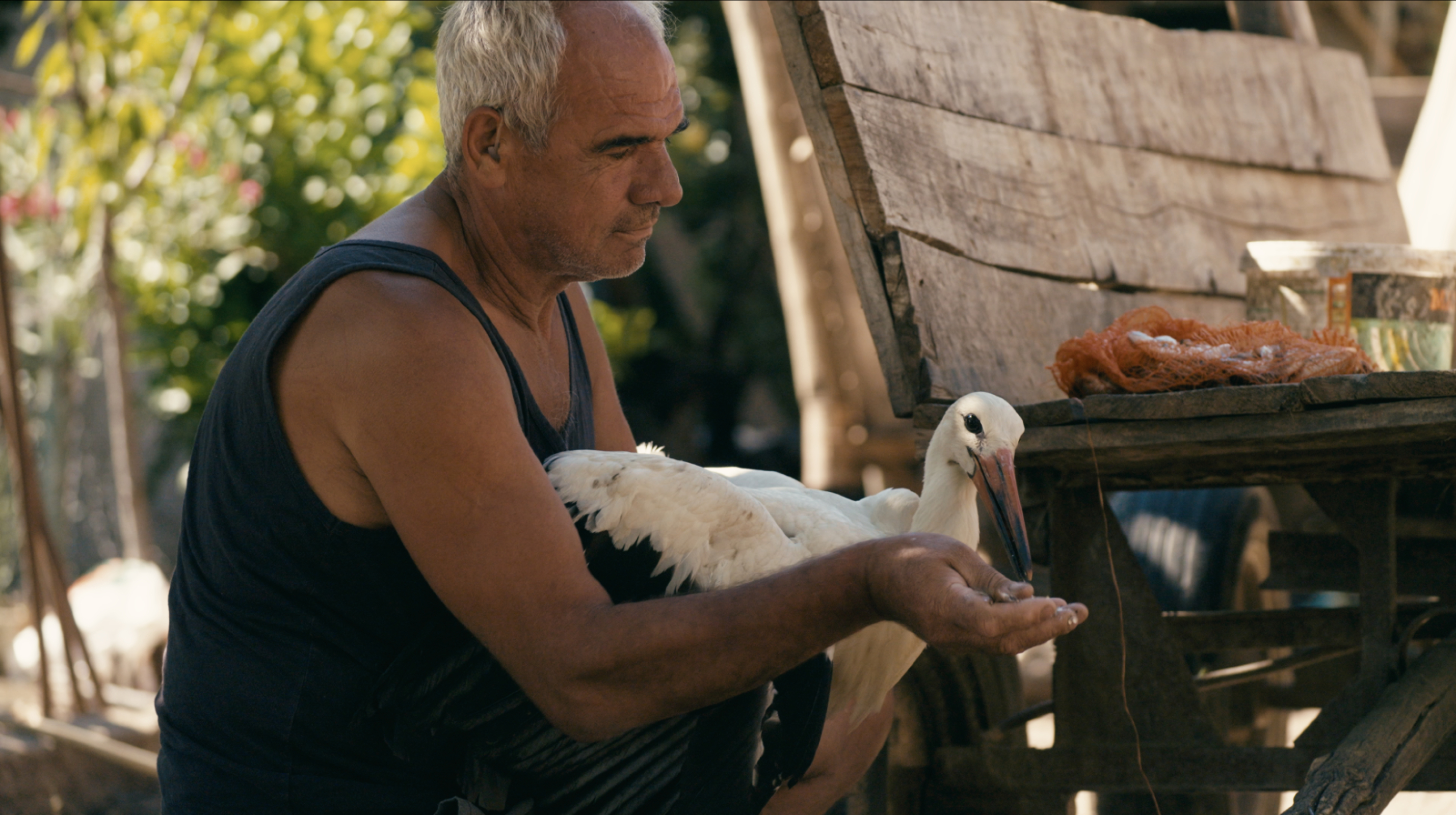
Despite some heavy topics and a great deal to learn from the film (which will hopefully ignite change), there’s also so much warmth in The Tale of Silyan. It’s a joy to witness the relationship between Nikola and his wife, Jana, and Nikola with the injured stork he adopts. Both are so loving, gentle and tender. It’s rare to see a stork and a human interacting in this way, but intimacy between older couples is rare to see on screen, too, so both are heartening to witness.
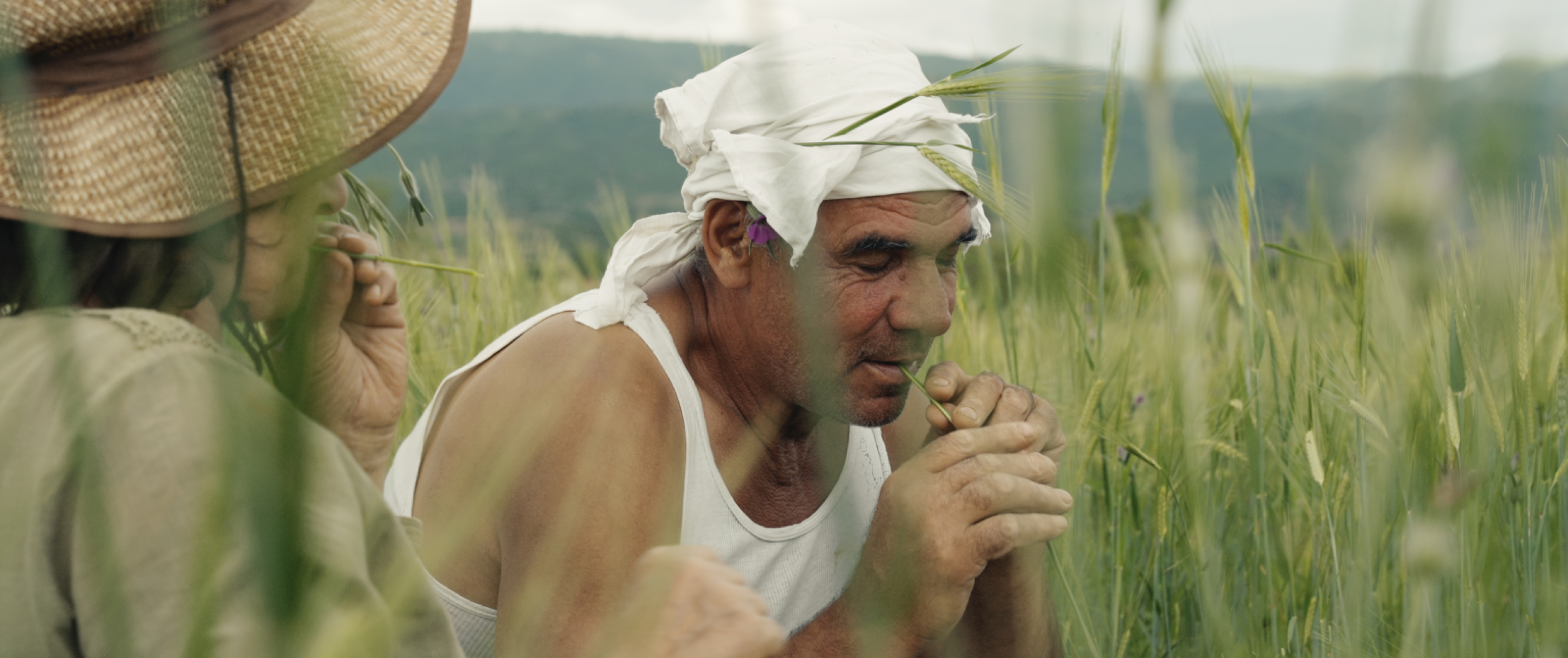
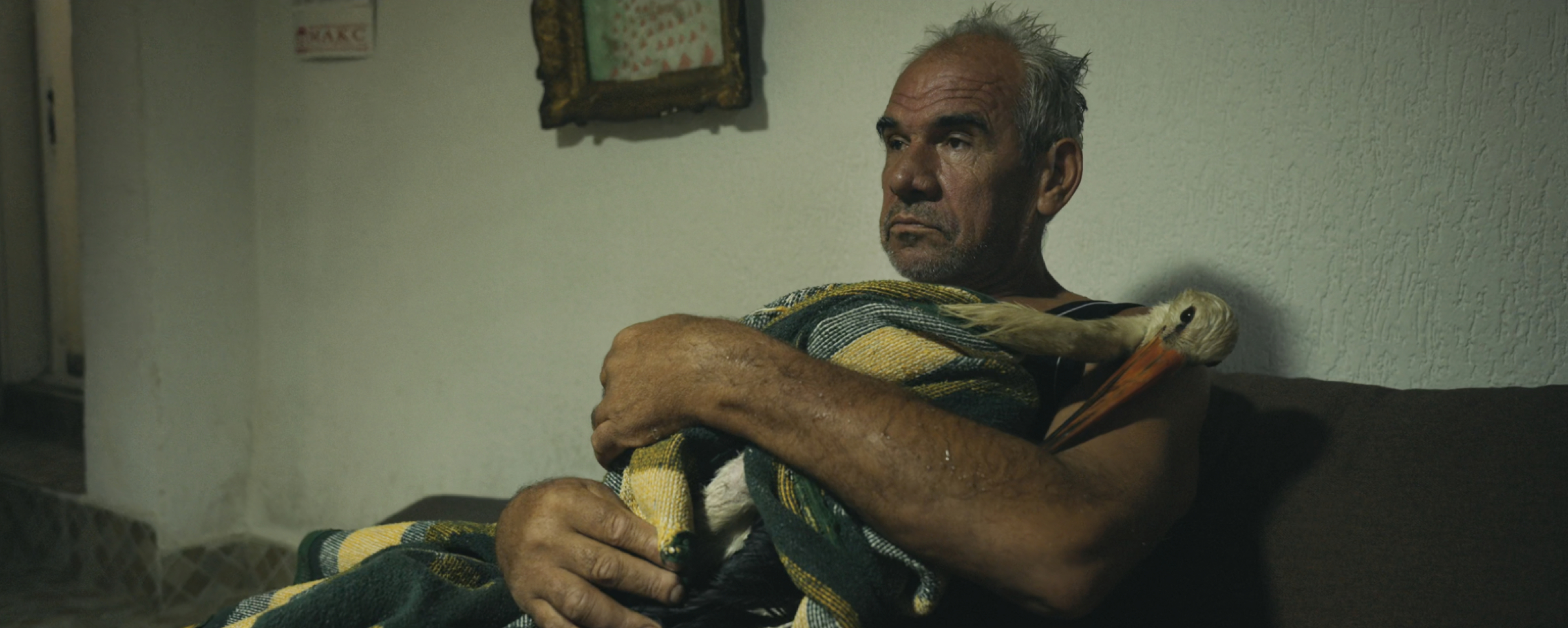
The film crew managed to get some unfathomably brilliant close-ups of the storks because they got to know many of them from birth, so the birds became familiar and unfazed by their film equipment.
I found it fascinating getting to know these massive birds that I had so little knowledge of. One of the few things I did know about them is that they’re a symbol of fertility, so seeing this species in danger feels particularly symbolic of nature as a whole being in grave danger.
I came away from this film with so many intense feelings. I felt the urgency of fairer treatment of farmers and our planet. I was overwhelmed by the beauty of storks and farmers’ lifestyles, and the need to protect both. I was inspired by their resilience. And I felt great comfort from the film and its reminder of the existence of gentle, loving people like Nikola. Although a very different documentary to The Golden Spurtle, this made me feel equally warm and excited at discovering something completely new. So, I’m so glad we’ve been able to screen both recently, and I’m so happy to see such excellent documentaries being made at the moment. Very hopeful for similarly magnificent future documentaries.
The Tale of Silyan is showing at HPPH from Sat 27 Dec. Find times & tickets here.
-(1)-smaller-landscape.jpg)