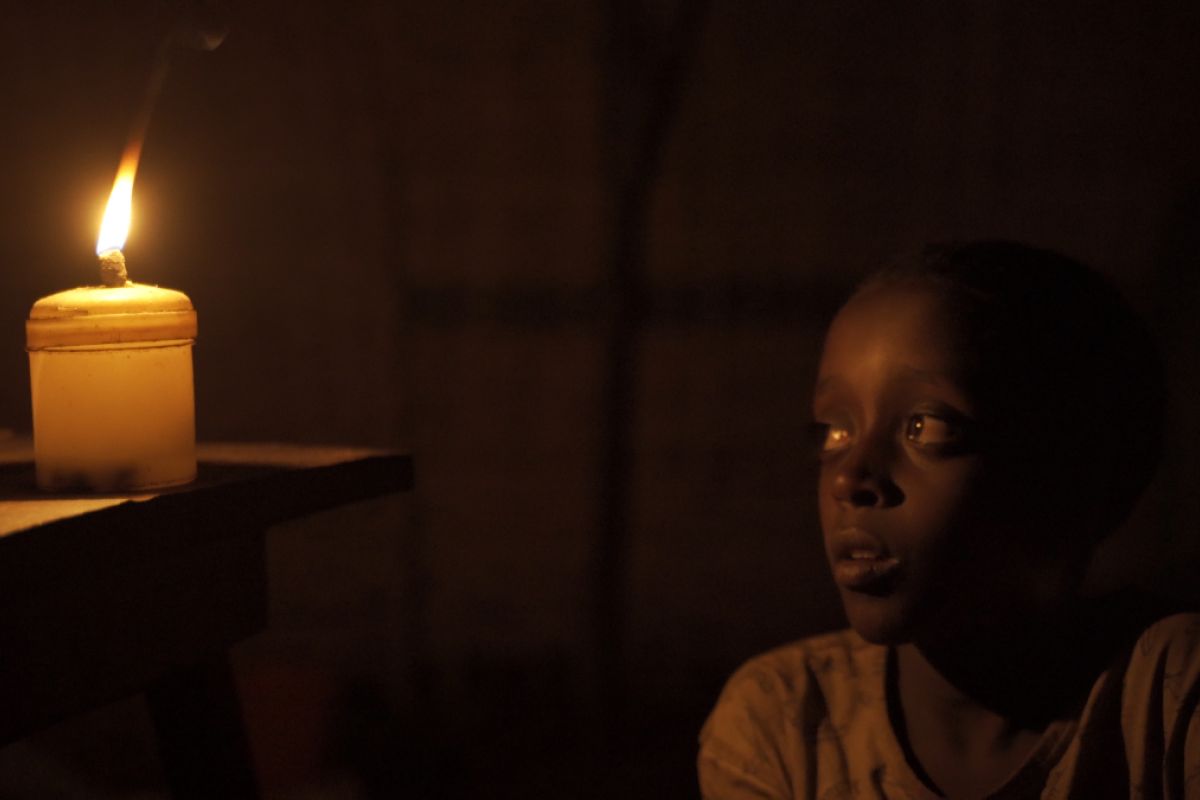
Reflections on Amakki by Artist & Horticulturist Matilya Njau
Matilya will join us for a coffee-based reflective ritual after our Amakki screening & she has shared her thoughts.
Matilya Njau
Amakki immediately drew me back to memories of my grandparents’ house. Endless cups of chai being poured as we sat outside next to the mango and avocado trees, slow conversation, laughter and tenderness. The sun beating down and that real sense of being home. As a proud Kenyan, I’m always seeking out those feelings and Amakki really fulfilled that for me.
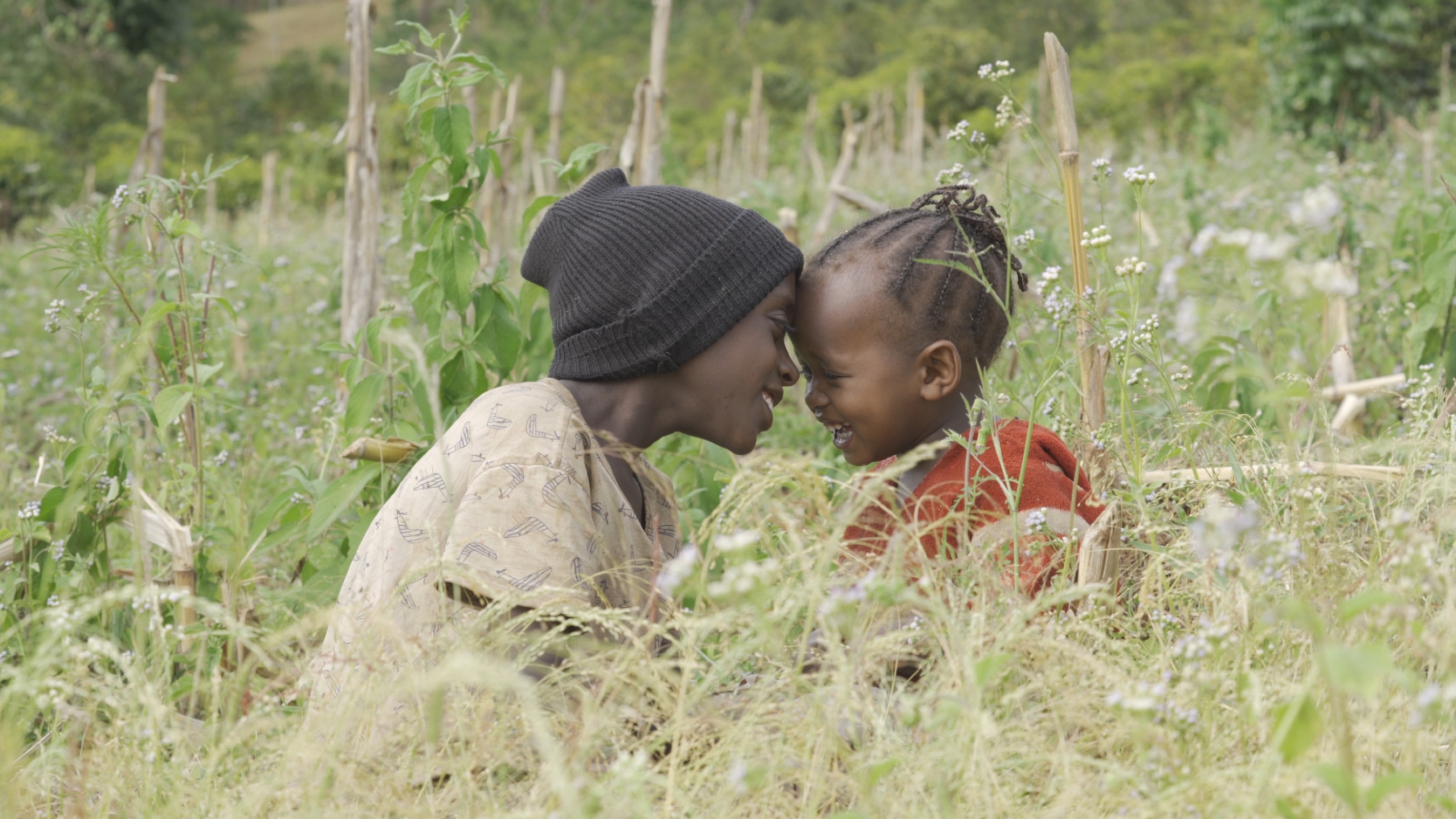
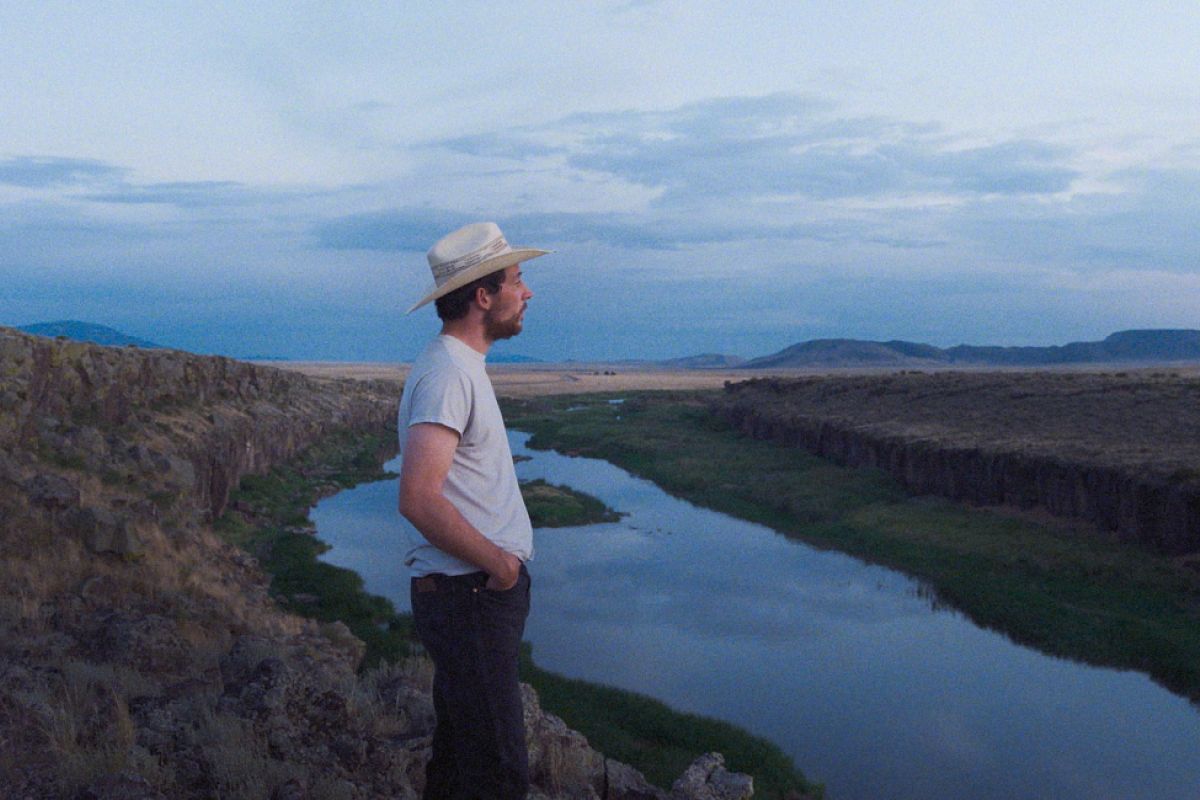
Aside from the beautiful depictions of the four protagonists navigating their lives together, as someone who works with the land, I was most drawn to the landscapes featured in the film. Set in the gorgeous Sidama Hills of Ethiopia, there were many plants that stuck out to me, but of course the most significant one was coffee.
As coffee growers, the characters are intimately connected with coffee through its life cycle: from a bean (also called a coffee cherry) to the green beans and to coffee in its final finished form. Drinking coffee together is a constant throughout the film and becomes the vessel through which they discuss daily matters, spend time with each other and have difficult conversations. Really, coffee and the rest of the plants form this backdrop to their lives, a container that holds them as they navigate both the mundane and the complex.
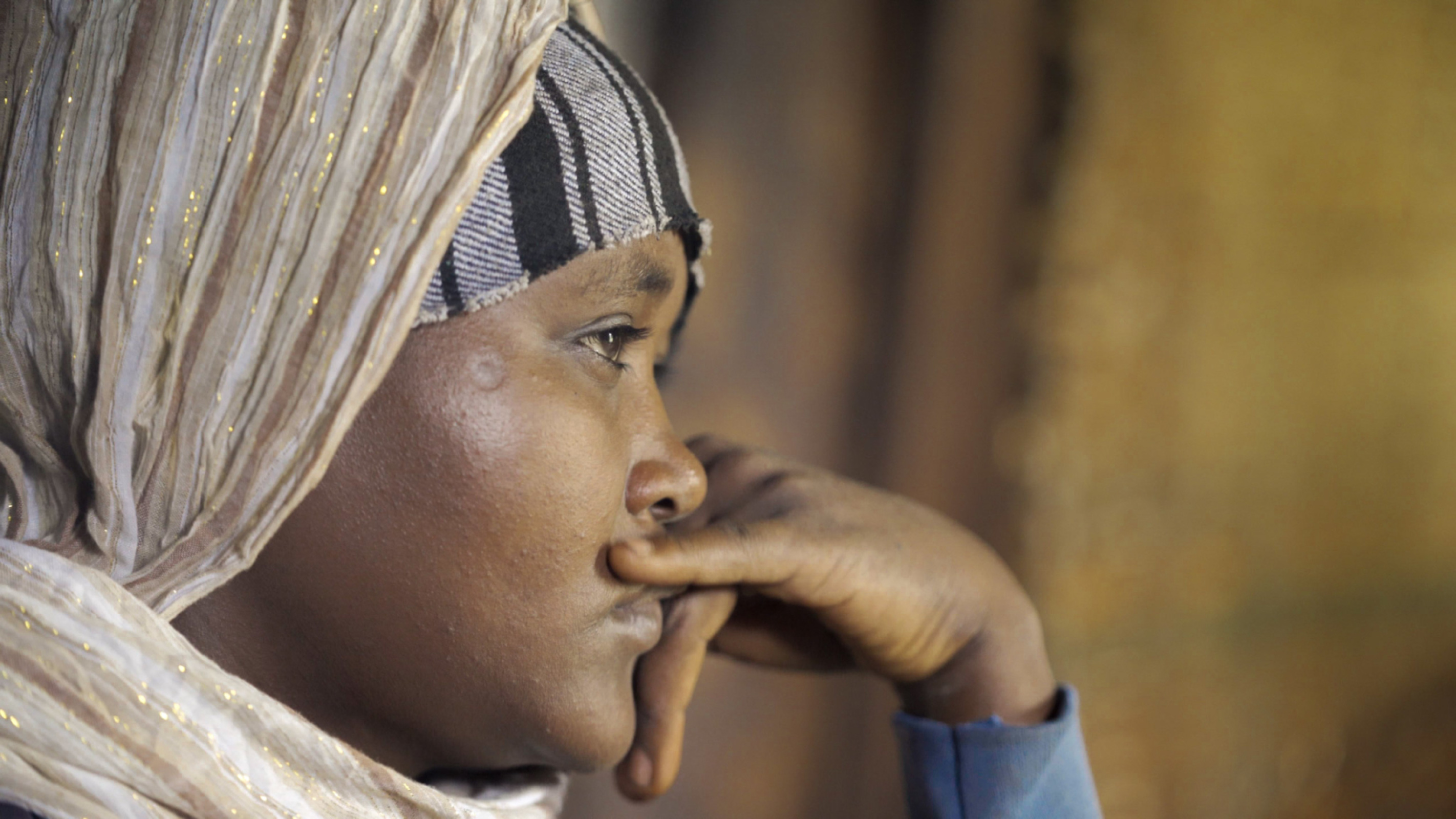
It made me think about how we, as ‘Westerners’ are so often disconnected from the plants we consume. Most of us drink coffee every day. We have rituals around it – the way its brewed, its strength, the type of milk, flavourings. Outside of our homes, coffee facilitates social gatherings, interviews, meetings. It is a plant that for many of us is firmly integrated into our lives. But do we really see it as that? Do we really see it as a plant that is cultivated, tended to and cared for by real people with lives that look very different to ours?
If we take a step back, this film also causes us to think about the inequalities in the billion-dollar coffee industry. It takes around 3-4 years for a coffee shrub to bear fruit and in most cases, coffee is harvested by hand which is an arduous process. Coffee producing countries are located in the global South yet they do not reap the economic benefits of the coffee trade. Farmers are also more vulnerable to climate crisis, absolute poverty and unsafe working conditions. While in Europe we may pay premium prices for coffee, farmers rarely benefit from this.
So rather than seeing it as simply a commodity, how do we get back to what matters? How do we form relationships with plants that are less extractive and more relational, and how can this help address climate and food justice? These are the questions that guide my practice.
My current research looks at how plants start to feel like family and become part of our ancestral lineages. If we drew up our family tree, could plants feature on them? As a self-employed gardener, I often ask clients how they feel about their garden and what their favourite plants are. So often it comes back to their loved ones. The roses that bloomed in their late grandmother’s house, the rudbeckias that took over in their childhood garden. Plants start feeling like kin and that feeling is something I try to explore and encourage in my work.
So, the next time you are drinking coffee, I’d encourage you to take a moment to reflect on the hands that may have tended to it, and to think of it first and foremost as a plant - a conscious being that should be honoured and respected for all the delight it brings in to our lives. Perhaps through this practice, we can begin to feel more connected to other species and return to ancestral ways of communing with the land.

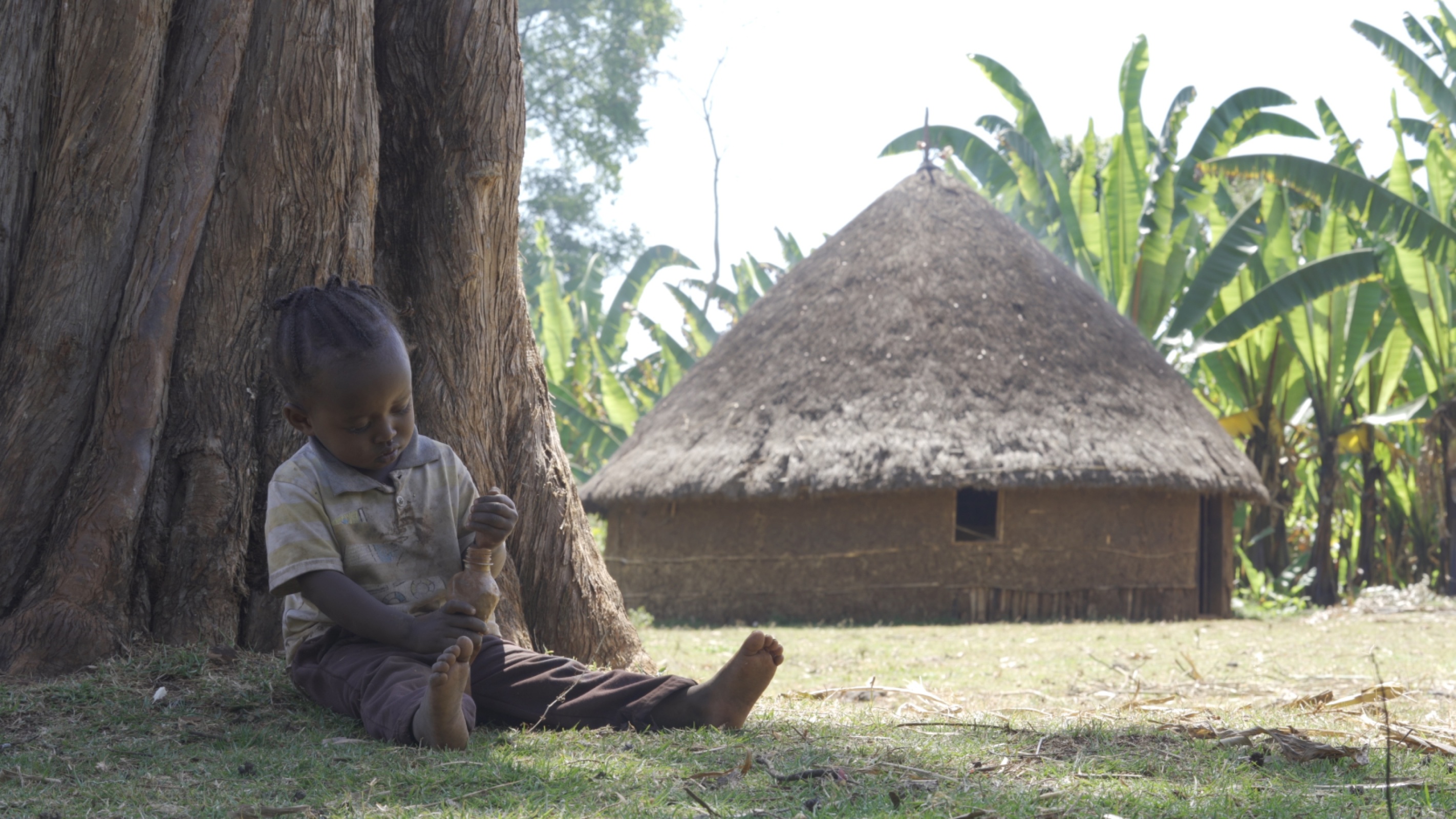
On Tue 17 Mar at 18:00, we are thrilled to have director Célia Boussebaa for a live introduction to Amakki, and the event will be followed by a coffee-based reflective ritual, hosted by artist and horticulturalist Matilya Njau. We also have a standard Bring Your Own Baby screening of Amakki on Wed 18 Mar at 11:00. You can book tickets here.
You can find Matilya on Instagram here and on her website, here.
-landscape.jpg)