Final Girls & Monstrous Others: The legacy of queer horror & Teenage Sex and Death at Camp Miasma
Guest piece by Evangeline Spachis (she/her), curator of Queer Fear Leeds
Evangeline Spachis
As part of the regular Creatures of the Night takeover, personally it will be a culmination of half a decade of DIY queer horror programming in Leeds.
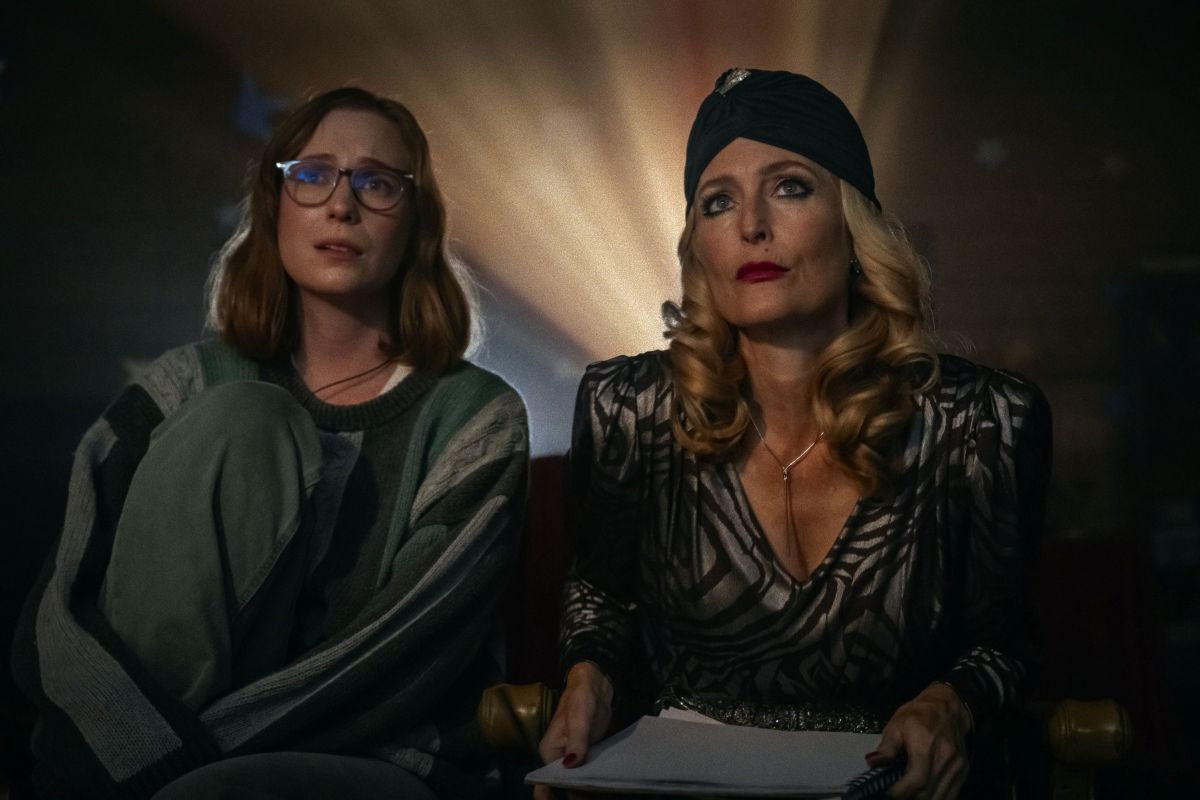
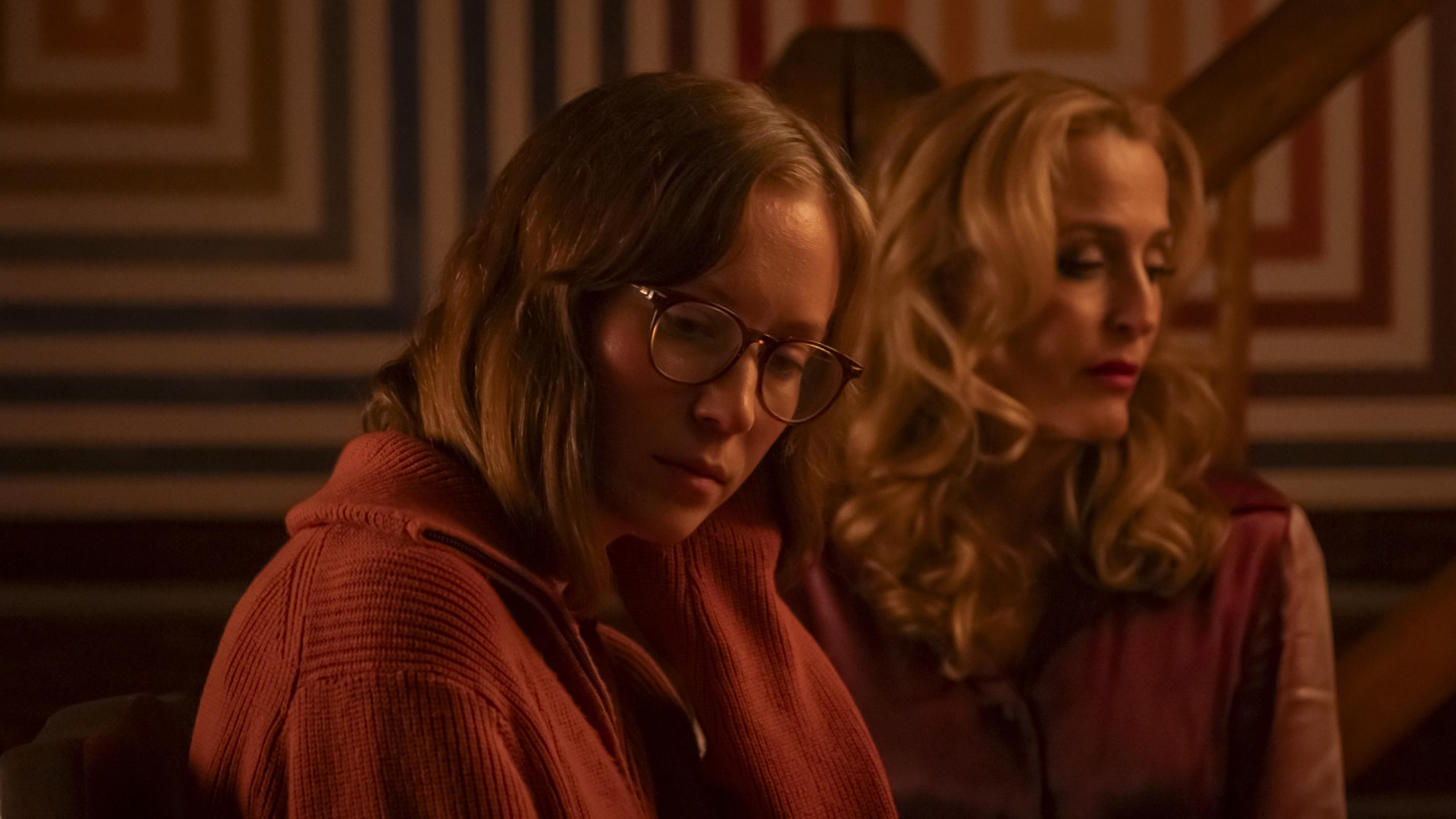
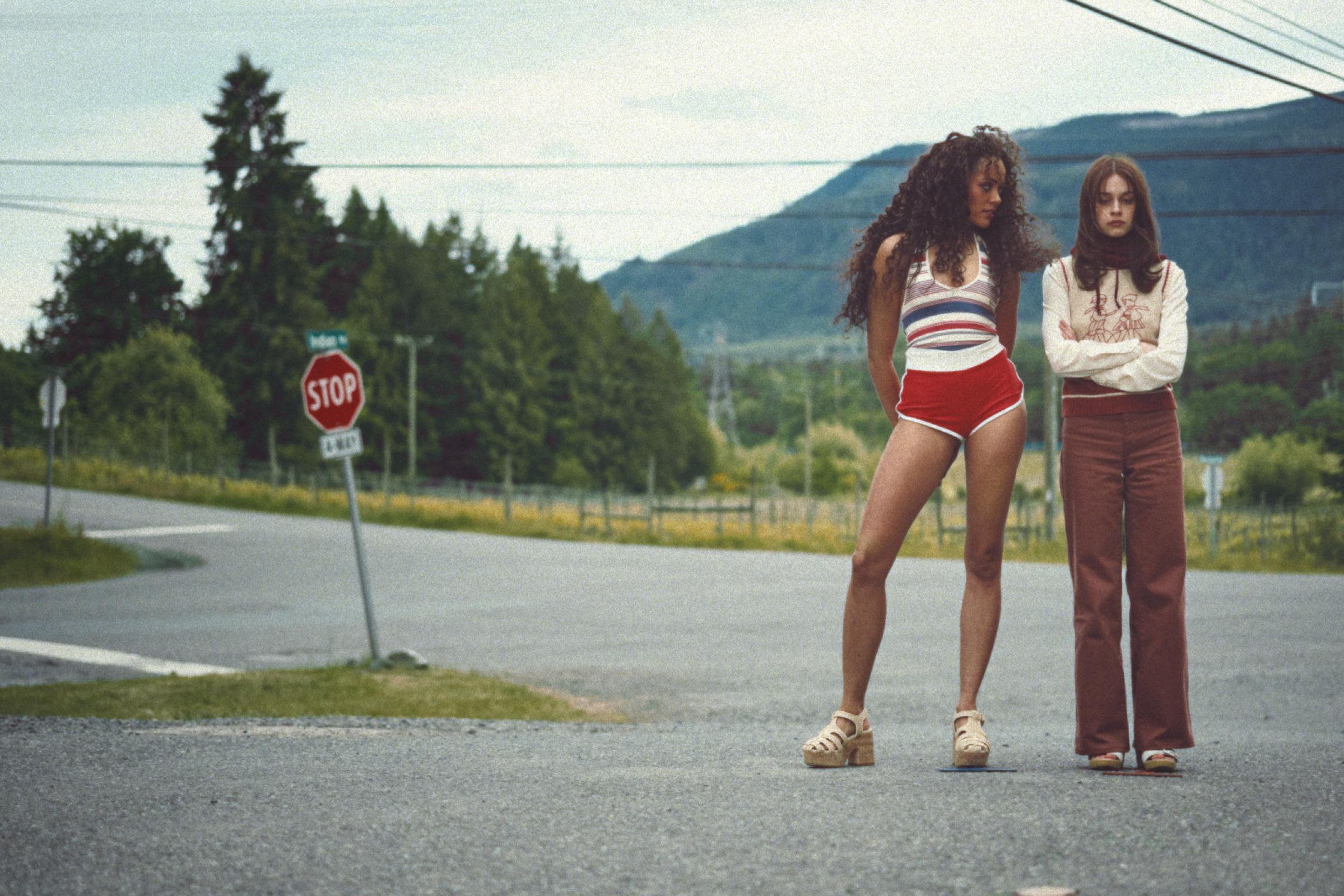
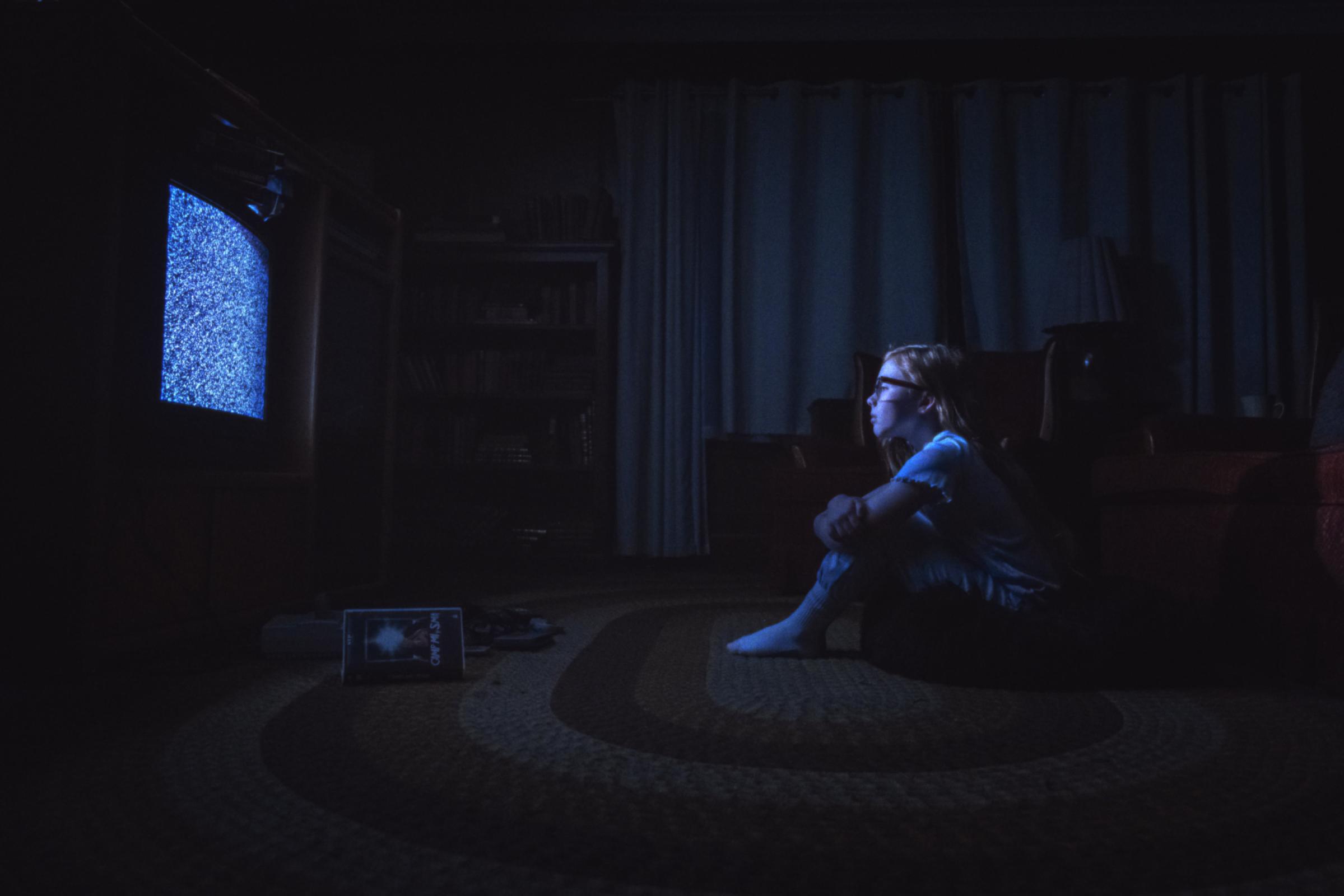
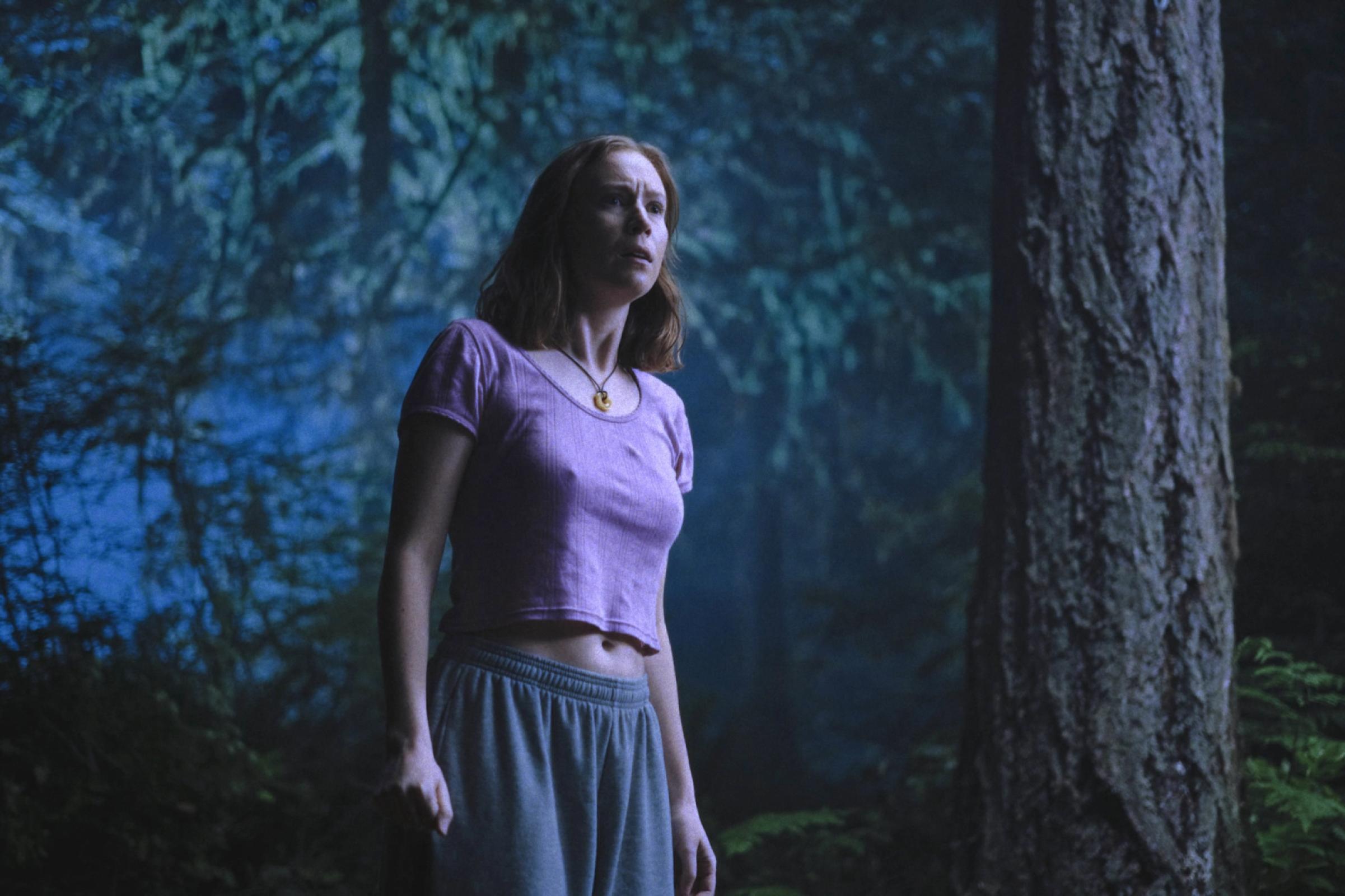
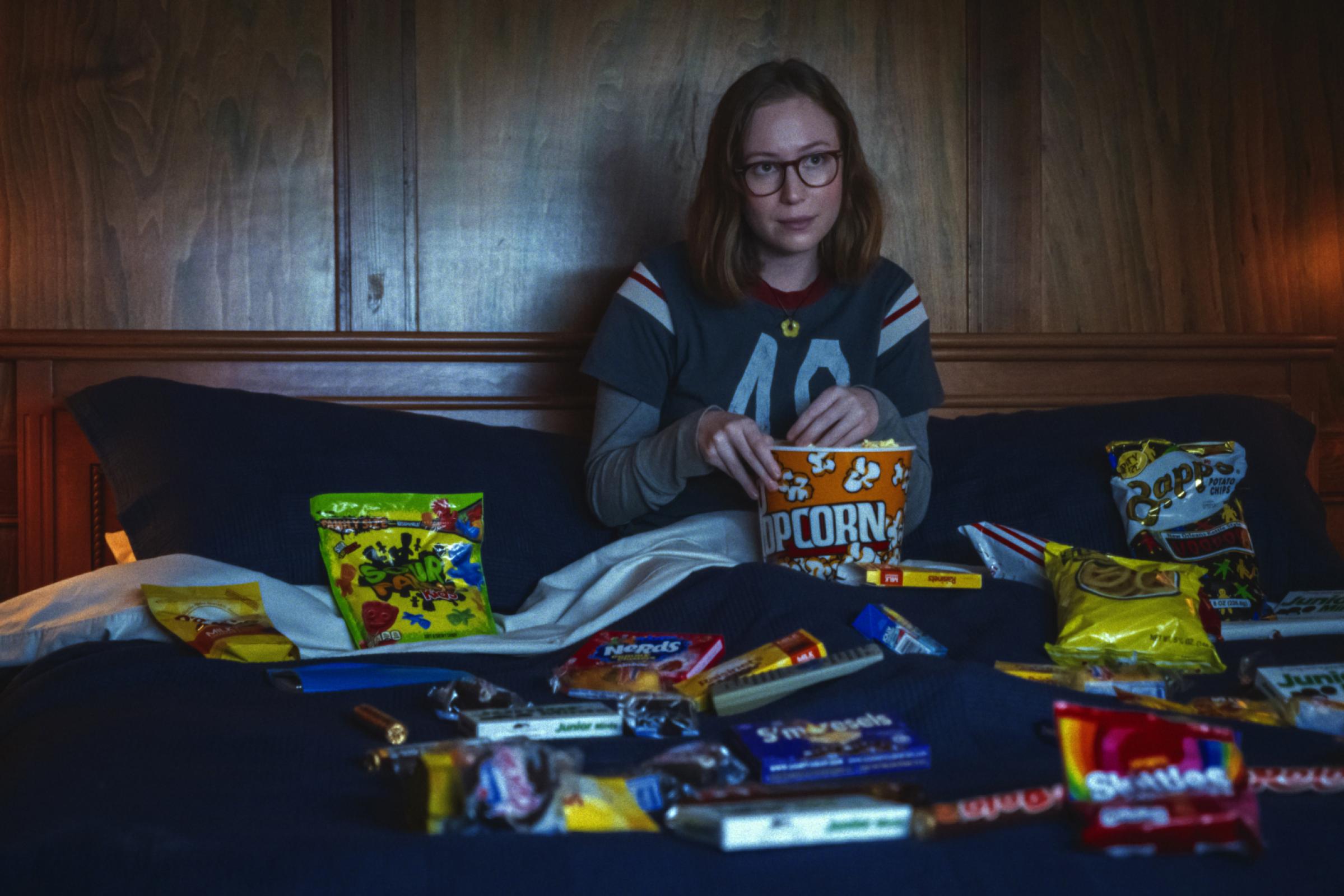
I couldn’t think of a better way to celebrate than screening Jane Schoenbrun's meta-slasher about the movies that raised us. The film, which premiered as the opening selection of Cannes' genre-focused Directors' Fortnight and later played Frameline, San Francisco's long-running LGBTQ+ film festival, stars Hannah Einbinder as a young filmmaker hired to resurrect a decaying horror franchise, and Gillian Anderson as the reclusive "final girl" of the original film. What begins as a professional collaboration curdles into something feverish, erotic, and blood-slicked - a meta-slasher about the hold that horror movies take on the people who grow up inside them.
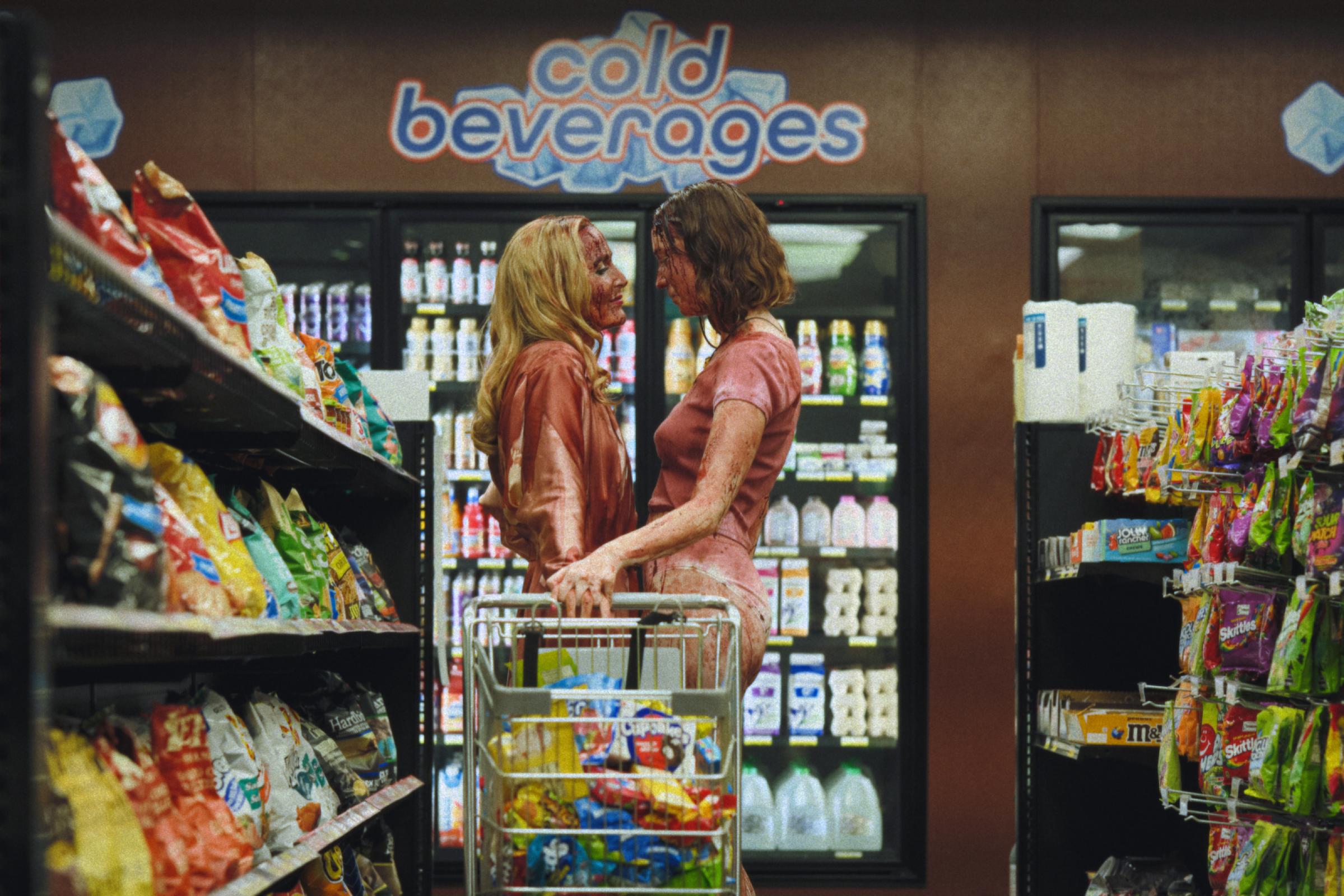
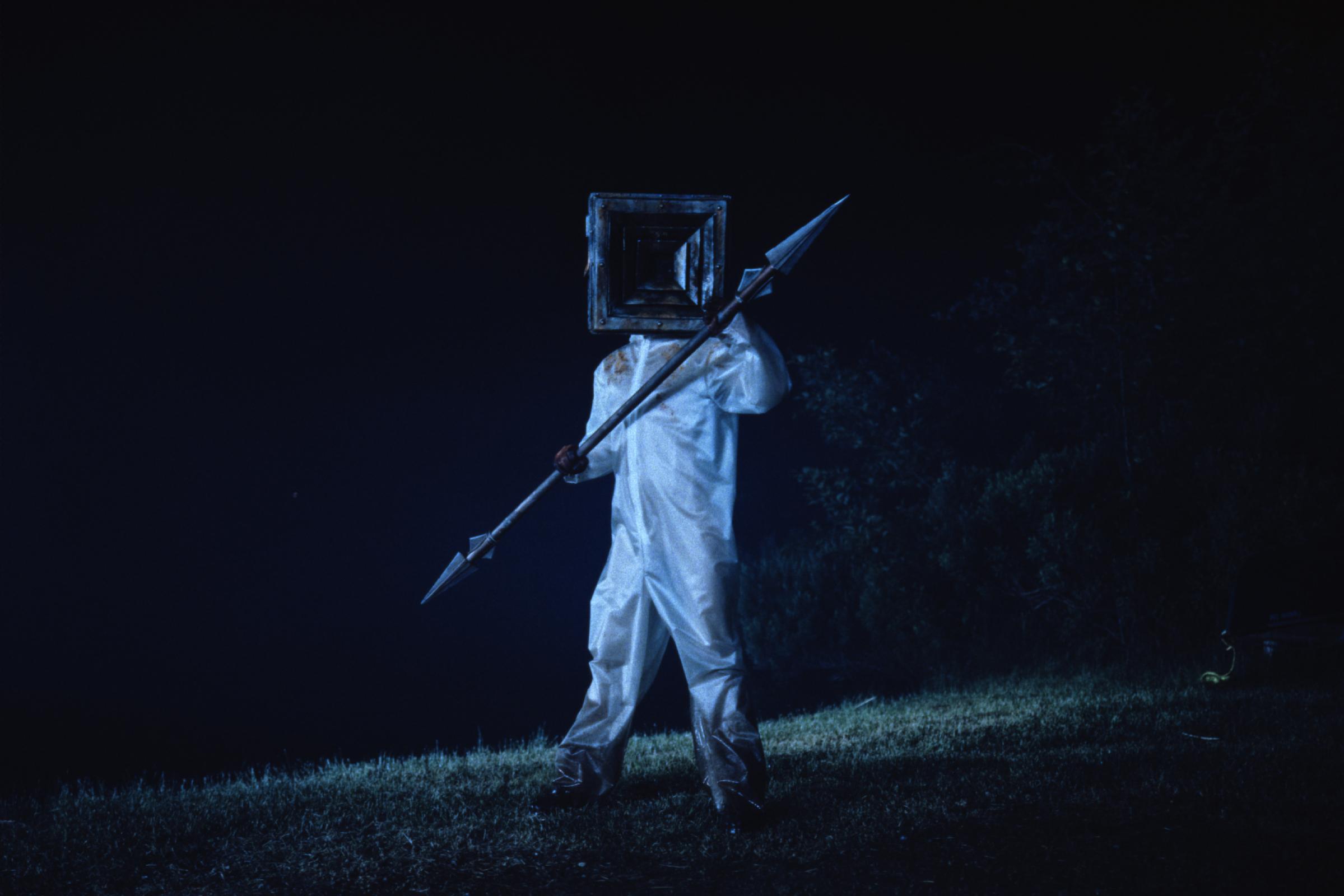
This is from a director who has spent the last several years mapping the psychic terrain where queerness and horror overlap. Schoenbrun's breakout, We're All Going to the World's Fair, and their follow-up, I Saw the TV Glow, both used the genre's tools - dissociation, body horror, the uncanny double - as a language for gender dysphoria and the terror of becoming yourself. Camp Miasma completes what's already being called a "media trilogy", turning that lens on the slasher film itself, and on the particular ache of watching a movie that seems to already know your secret.
The casting itself has become part of the film's conversation. Schoenbrun paired Einbinder, best known for her Emmy-nominated comic work on Hacks, against Anderson, an actress whose X-Files stardom made her a formative pop culture and queer awakening for exactly the kind of viewer Schoenbrun makes films for. Announcing the project, Schoenbrun called Camp Miasma an attempt at a "sleepover classic," an "insane yet cozy midnight odyssey" meant to lure in unsuspecting video-store browsers and framed the collaboration with real affection for both actresses.
To understand why Camp Miasma feels less like a novelty than an inheritance, it helps to look back at exactly what it's inheriting. Queer horror has a long, tangled history, one built as much from necessity and censorship as from choice.
For most of the twentieth century, queerness in horror could only exist in code. The Hays Code and its cultural equivalents made explicit gay or lesbian characters unfilmable in mainstream American cinema, so queerness migrated into subtext, and horror - a genre already fluent in the unspeakable - became its hiding place.
Universal's classic monsters are the foundational text here. James Whale, the openly gay director of Frankenstein and Bride of Frankenstein, built a monster who is shunned for a difference he never chose, hunted by torch-wielding villagers for the crime of existing. Dracula's Daughter went further, giving its vampire an open, anguished desire for other women that the film frames as a curse she cannot cure. While Val Lewton's Cat People from 1942 built an entire film around a woman whose sexuality is coded as a monstrous, transformative secret she must suppress. The vampire, the werewolf, the creature in the lab- all of them figures of forbidden desire, secret transformation, and a difference that the surrounding world responds to with violence. The monster's tragedy was frequently a closeted person's tragedy.
By the time the slasher film exploded in the late 1970s and 1980s, the genre's relationship to sexuality had become more overt, if not more comfortable. The slasher's grammar was notoriously moralistic: teenagers who have sex get killed and the virginal ‘final girl’ survives. For decades, this was read as straightforwardly conservative, punishing transgression and rewarding chastity.
But queer viewers and, eventually, queer scholars found other currents running underneath. Carol Clover's influential book Men, Women, and Chainsaws argued that the final girl herself was a strange, gender-bending figure. That cross-gender identification, Clover suggested, made the slasher one of the most quietly queer viewing experiences mainstream cinema offered.
Some films made the subtext text. A recent Queer Fear screening selection, A Nightmare on Elm Street 2: Freddy's Revenge has become a cult touchstone for its startlingly overt gay-panic imagery. Sleepaway Camp built its entire shock ending around a reveal that is deeply of its era in its confusion of transness with madness, but which nonetheless made it an object of fascination and reclamation for later trans audiences. Gay horror writer Clive Barker brought overt queer sexuality and BDSM aesthetics into the mainstream with Hellraiser, whose Cenobites offered pain and pleasure as inseparable, ecstatic and entirely outside the ‘norm’.
By the early 1990s, ‘New Queer Cinema’ movement featuring filmmakers like Gregg Araki, Todd Haynes, and Tom Kalin, refused respectability and embraced messiness, danger, and desire. It didn't always call itself horror, but it borrowed horror's tools freely. Araki's The Living End imagined two HIV-positive gay men as outlaw road-trip nihilists in a genre space adjacent to disaster and body horror; Haynes' Poison wove in a body-horror strand explicitly. The AIDS crisis gave queer filmmakers an unavoidable, real-world horror to metabolise.
By the 2000s, queerness in horror was becoming more legible on its own terms rather than only as metaphor. Jennifer's Body, written by Diablo Cody, reframed the demonically possessed high school "it-girl" as a specifically female, specifically queer-coded threat, and was reappraised over the following decade as a feminist and queer cult classic after its marketing campaign and critical reception badly misjudged its audience.
The last several years have seen queer horror move from subtext and cult reclamation into a genuine creative centre of the genre. Julia Ducournau's Titane married body horror to gender fluidity and won the Palme d'Or. Luca Guadagnino's Bones and All folded cannibalism into a story of queer-coded outsiders finding each other. Rose Glass's Saint Maud and Love Lies Bleeding used religious ecstasy and bodybuilding-world queerness, respectively, as engines for horror and noir alike. Trans filmmakers and trans stories have found in body horror an unusually useful vocabulary. The genre's obsession with transformation, with a body that betrays or exceeds its owner's expectations, maps with uncomfortable exactness onto the experience of gender transition, dysphoria, and a world that treats bodily difference as a threat.
Schoenbrun's own work sits squarely in this lineage. I Saw the TV Glow used the format of a beloved teen supernatural show to talk about egg-crack dissociation and the terror of a life not lived; Camp Miasma turns that same instinct toward the slasher specifically, treating the genre's own tropes - the final girl, the summer-camp body count - as objects of both love and diagnosis. Schoenbrun has spoken about wanting to explore what it means to find pleasure in one's body after gender transition, and about the difficulty of experiencing genuine desire in a body that doesn't yet feel like home - themes that put the film in direct conversation with the "monster queer" tradition stretching back to Whale's creature and Lewton's cat-woman.
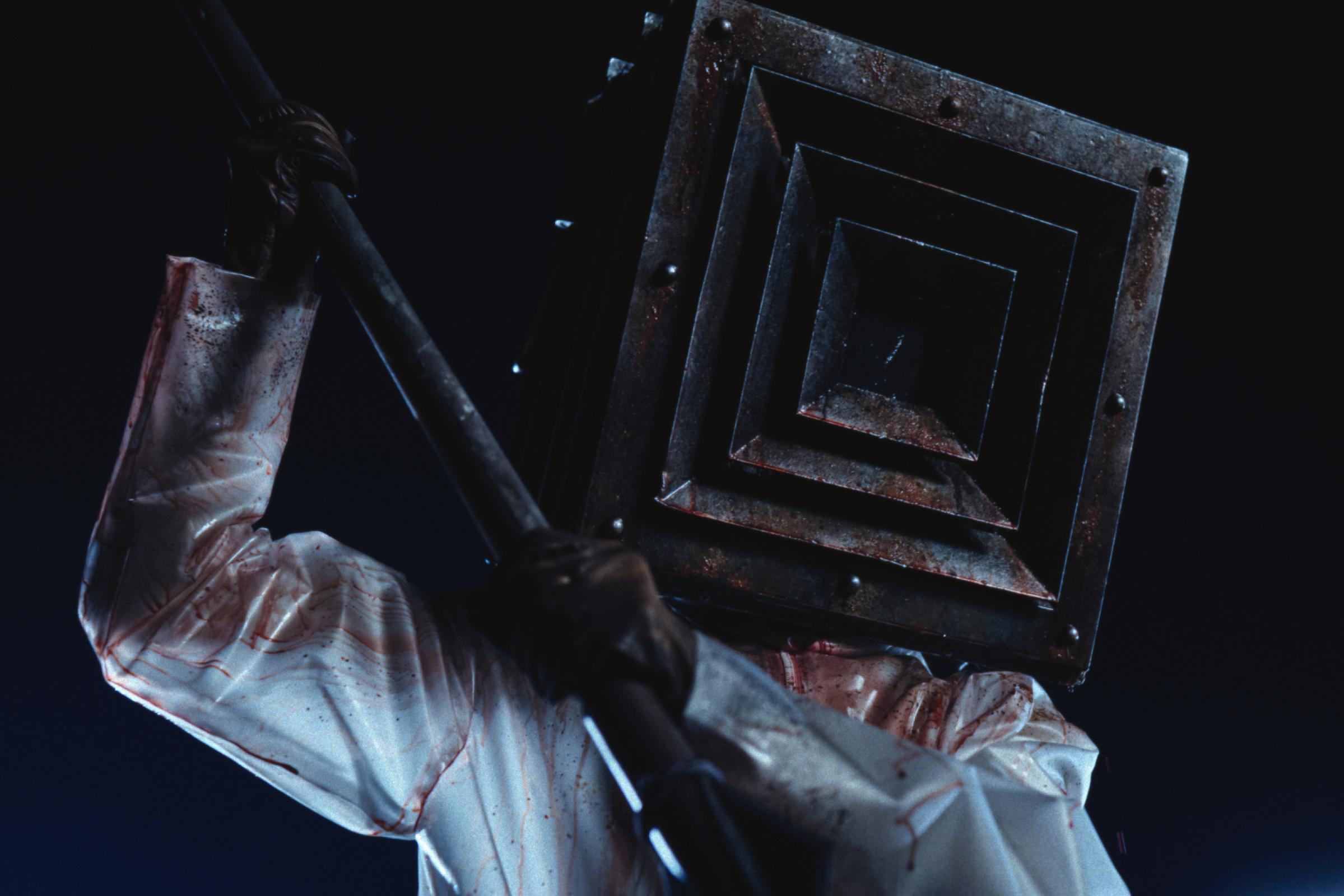
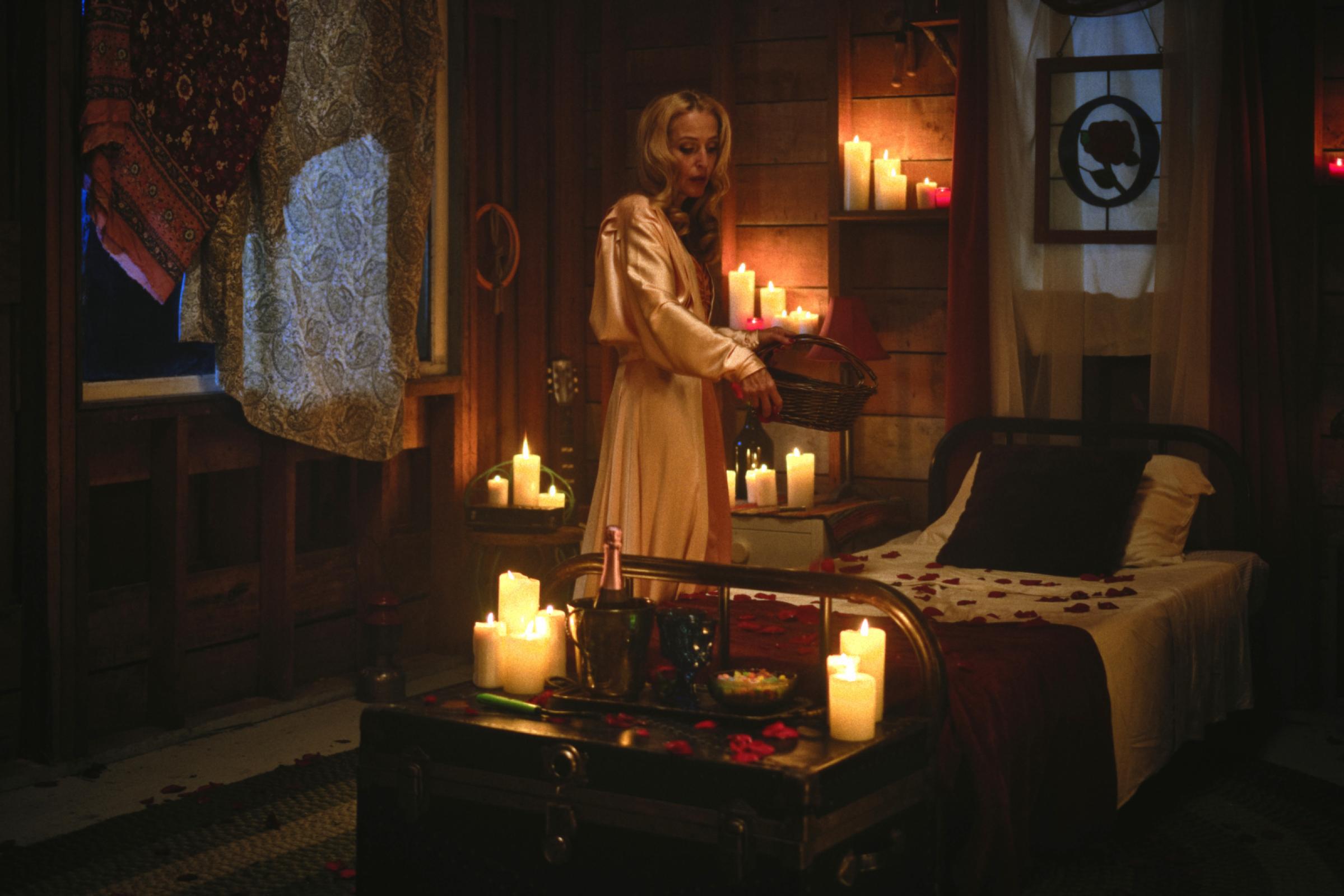
I get asked all the time about why horror, of all genres, has proven such fertile ground for queer storytelling. The answer I often give is that it’s mostly simple: horror is built around difference and transformation - all experiences that closely follow growing up queer in a hostile world, even if the film wasn’t intended to parallel that. Part of it is historical: when explicit representation wasn’t possible, horror's penchant for metaphor offered one of the only available disguises. And part of it is simply that horror has always mostly been made by outsiders.
Unlike the titans of the genre, Teenage Sex and Death at Camp Miasma doesn't have to hide behind metaphor the way Cat People or Freddy’s Revenge did. It can be as explicit about desire, gender, and queerness as it wants to be. That freedom is itself the legacy of everything that came before it. The film is proof that horror has finally learned to come out from the dark.
By Evangeline Spachis (she/her), curator of Queer Fear Leeds.
Queer Fear are hosting our Creatures of the Night screening of Teenage Sex And Death At Camp Miasma on Sat 22 Aug at 21:30. You can book tickets here.
-landscape.jpg)