Goodbye Dancers: Notes on Macho Dancer (1988) and Between Goodbyes (2024)
A piece by Vee Dagger ahead of our Queer East screenings.
Vee Dagger
Class looms large in both Macho Dancer and Between Goodbyes. Both films concern economic conditions that shape occupation, circumstance, and family – survival sex work and its social circumstances in Macho Dancer, and societal pressure towards family separation in Between Goodbyes. Class differences in post-war Philippines and South Korea are thrown into sharp relief by Western presence, which directly or indirectly affects the protagonists of both films.
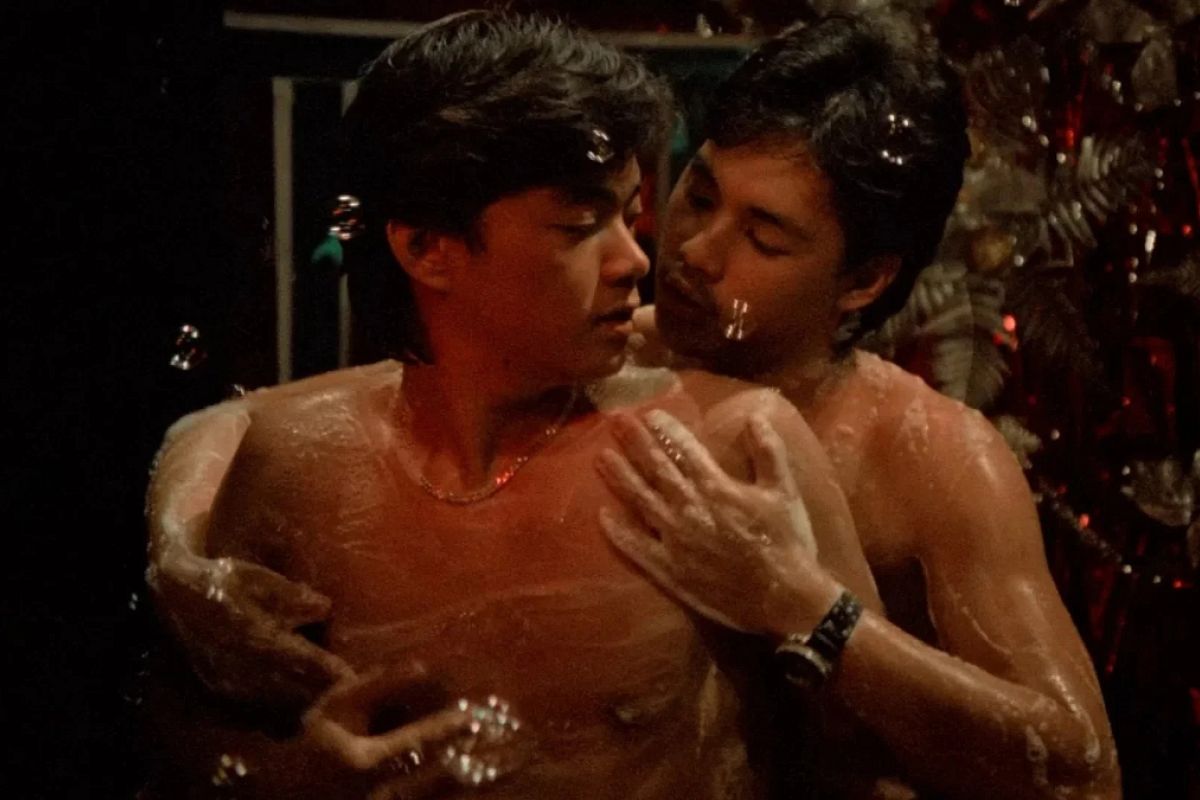
Lino Brocka’s 1988 film Macho Dancer concerns the lives, friendships, and relationships of gay sex workers in Metro Manila. Many of the macho dancers tell their families that they are working as waiters in Manila, substituting one physically demanding service role for another. The macho dancers’ patrons are foreigners from America, Europe and Japan, as well as affluent Filipinos; their homoerotic desires are served and protected by their privileged economic status.
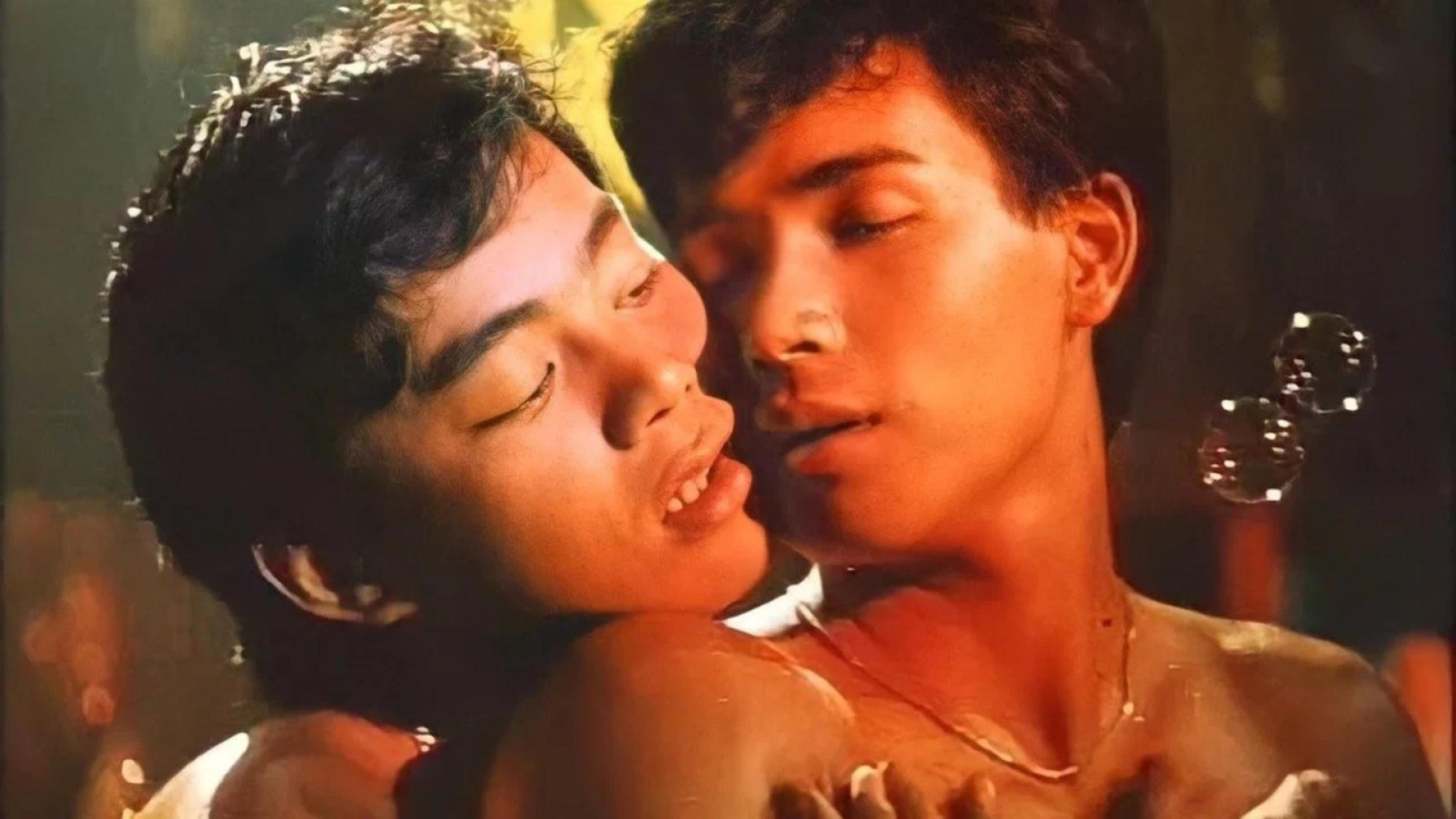
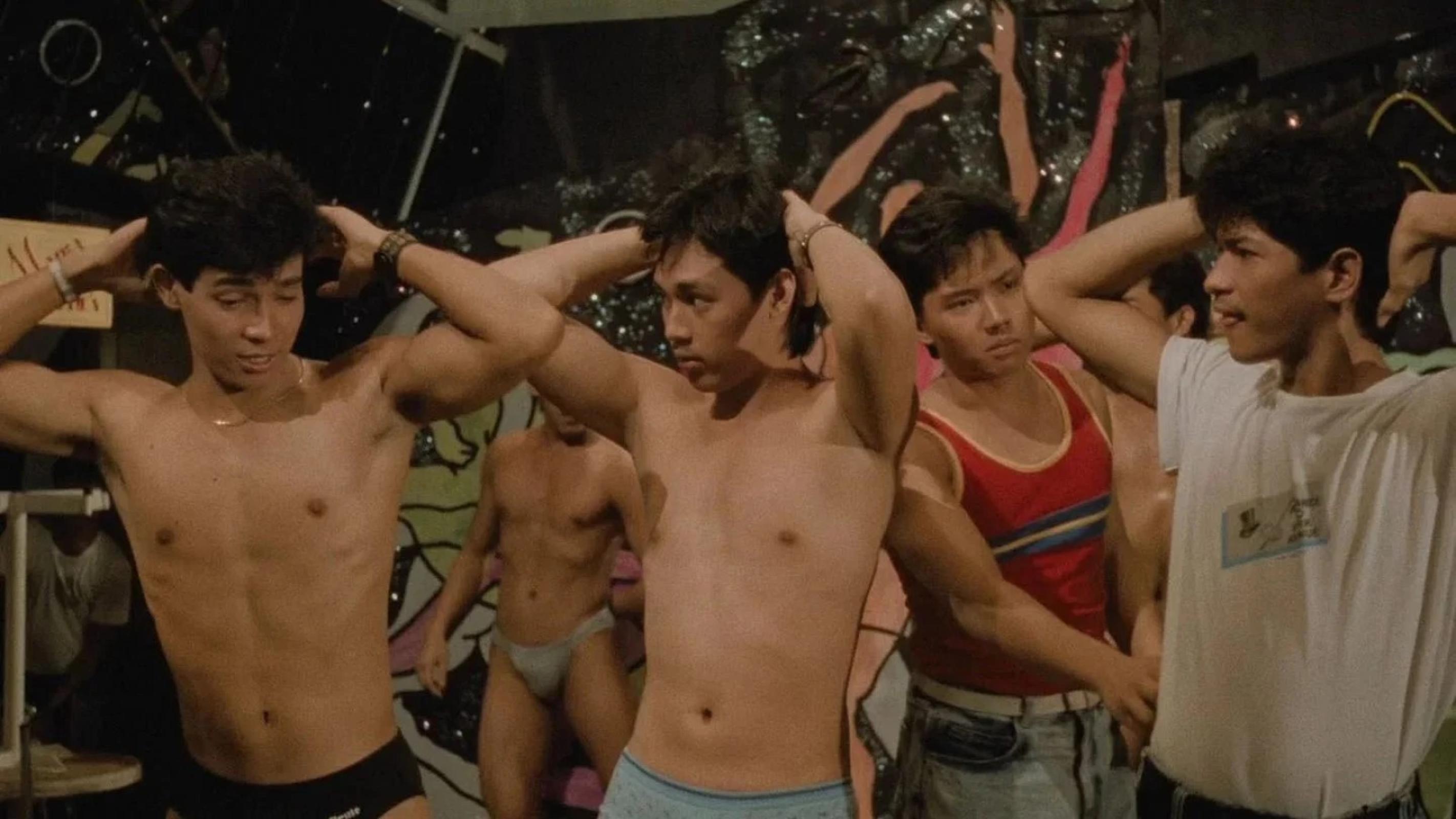
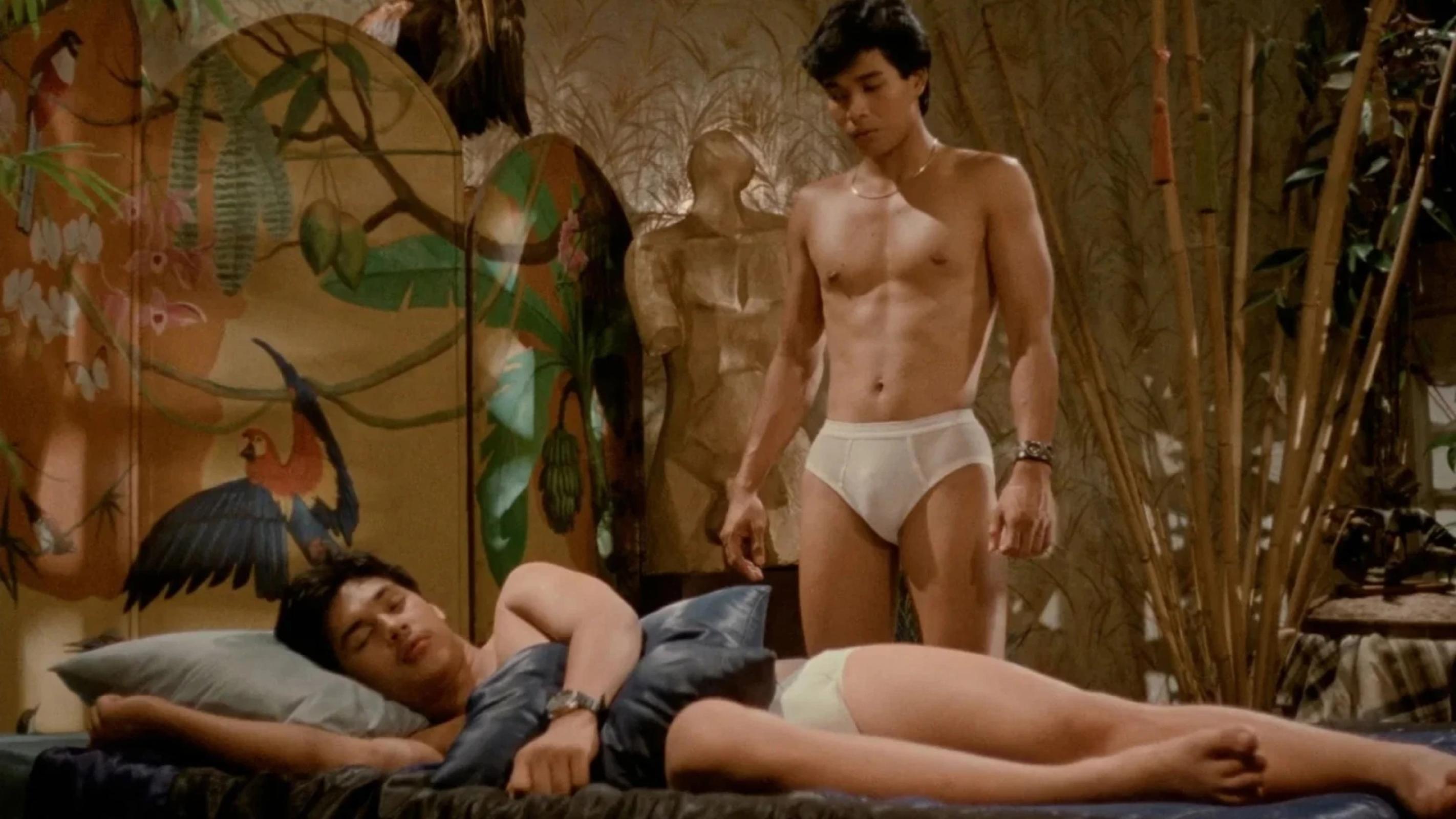
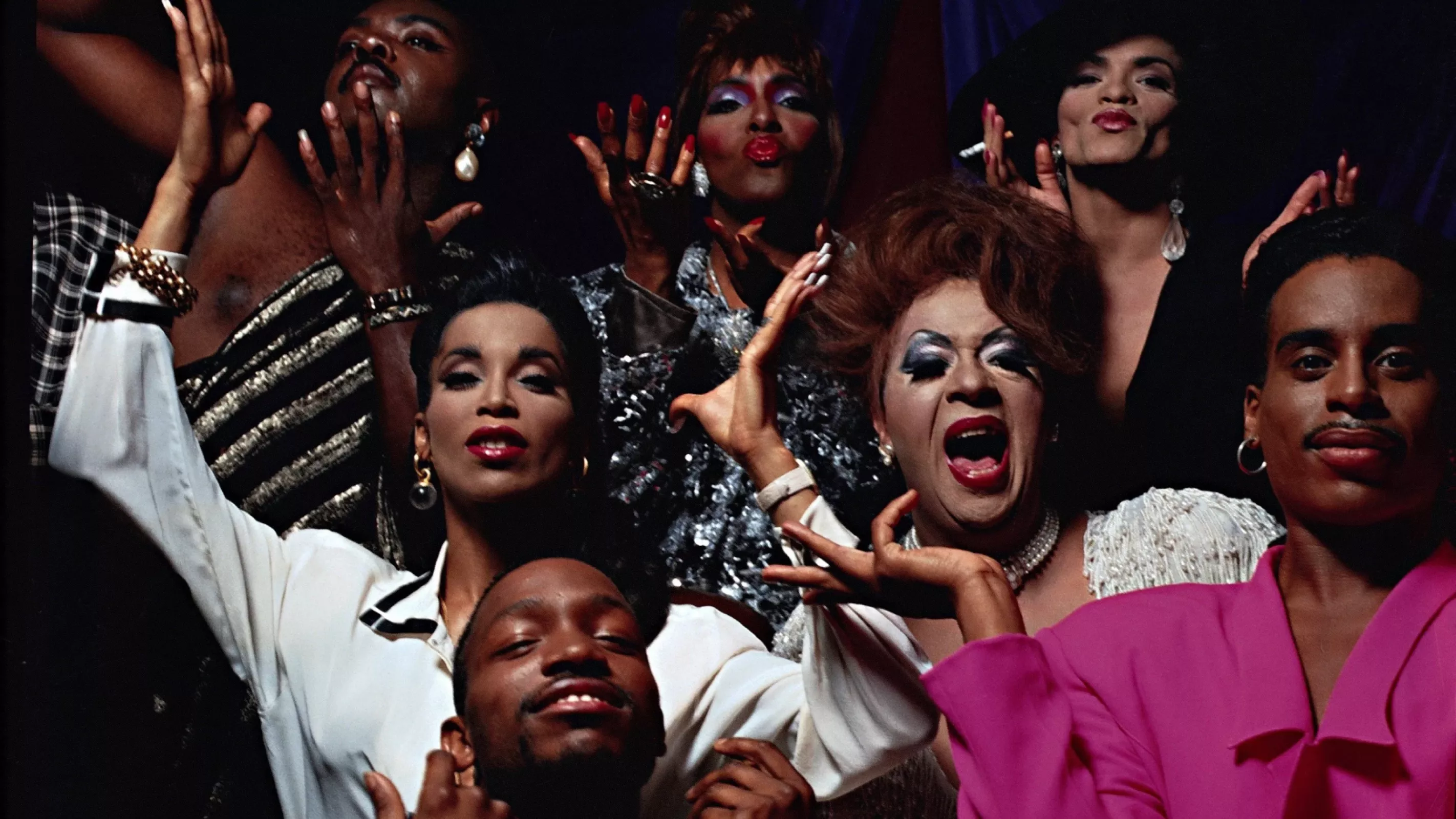
Lino Brocka calls attention to the dancers’ relationships with their bodies as they learn to put them on display in performances of homoerotic masculinity – during performances, the camera’s voyeurism exists in uneasy tandem with the objectifying gaze of the dancers’ patrons, inviting the viewer to feel the tension between the dancers’ public and private selves. The stylised performances call to mind films like Paris Is Burning, which document historic links between nightlife performance and sex work in working-class queer communities; the bond between Pol and his fellow dancers is reminiscent of the camaraderie of the vogue houses in Paris Is Burning.
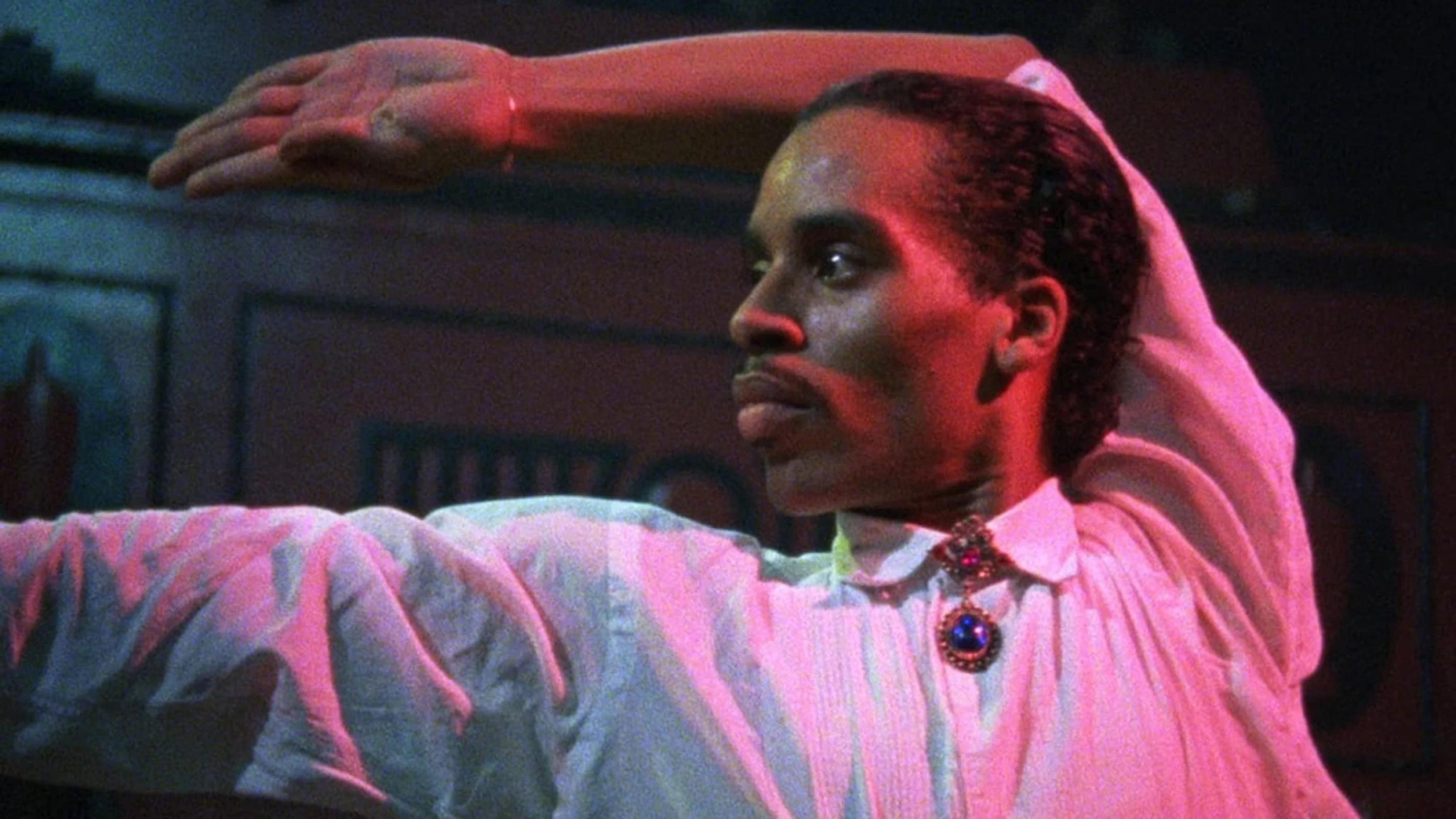
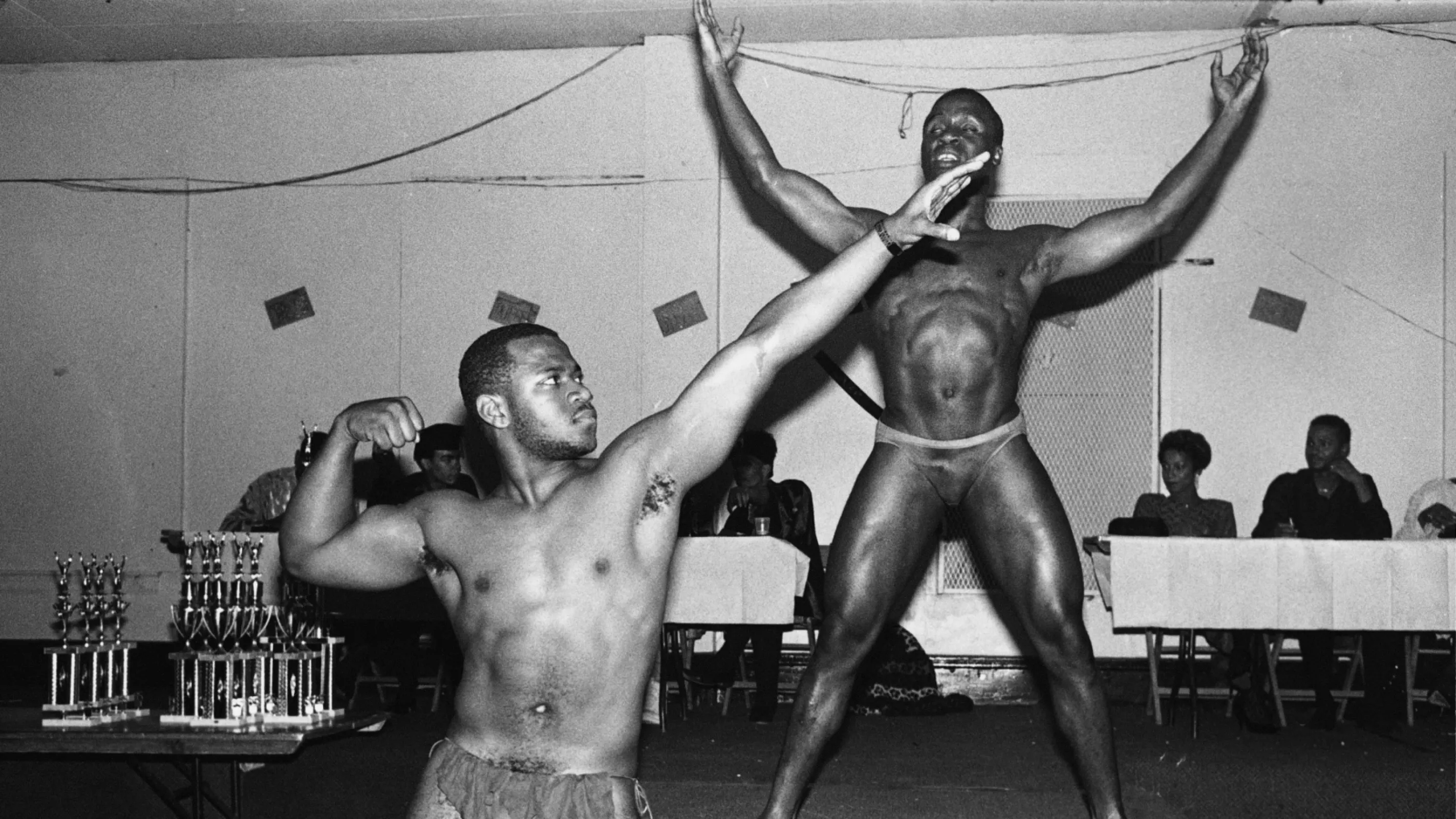
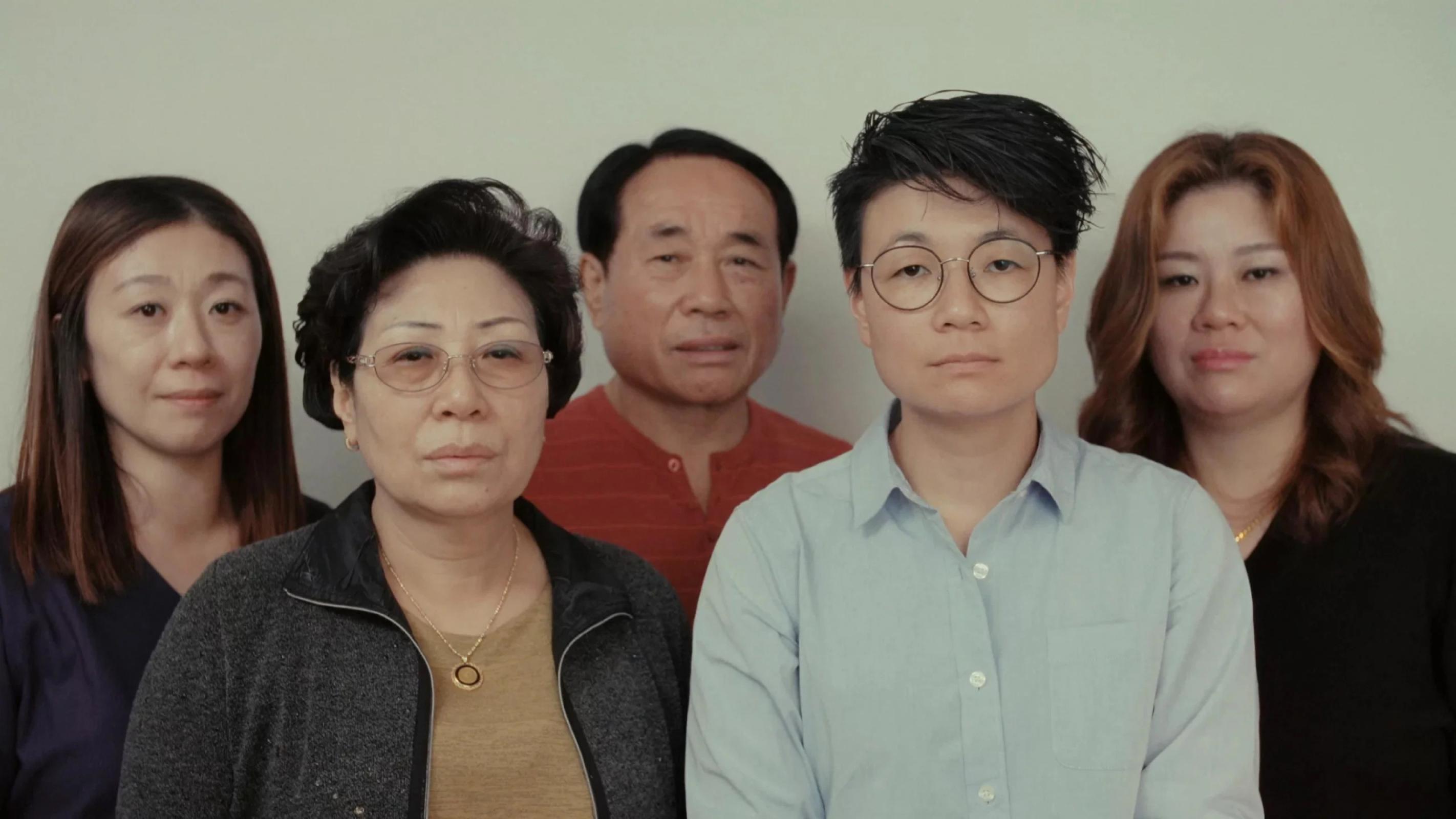
Jota Mun’s 2024 documentary Between Goodbyes chronicles the emotionally fraught reunion between a queer Korean adoptee and her birth family. Mun utilises archival television footage of the government push to reduce family sizes, including the public shaming of women with large families; Mieke’s birth parents’ decision to give up Mieke for adoption comes into focus not as a solely individual decision, but as an action partially driven by governmental and societal pressure. Mun’s archival footage also depicts predominantly American efforts to bring Korean “war orphans” overseas to ostensibly better lives. Adoption is described as a “big business” with a steady stream of “exported” infants, an uneasy parallel to the commodification of bodies in Macho Dancer.
While commodification shapes the lives in Macho Dancer and Between Goodbyes, both films paint tender, compassionate pictures of their subjects. The sex workers of Macho Dancer, both men and women, form bonds of mutual support and care that prove to be vital in navigating the dangers of Manila’s underworld. Jaclyn Jose’s exceptional performance as Bambi is especially unforgettable in its evocation of an irrepressible drive to survive. Her dynamic with Allen Paule’s Pol manifests the film’s interest in public versus private sexuality, culminating in a memorable and heartbreaking moment of diverging paths.
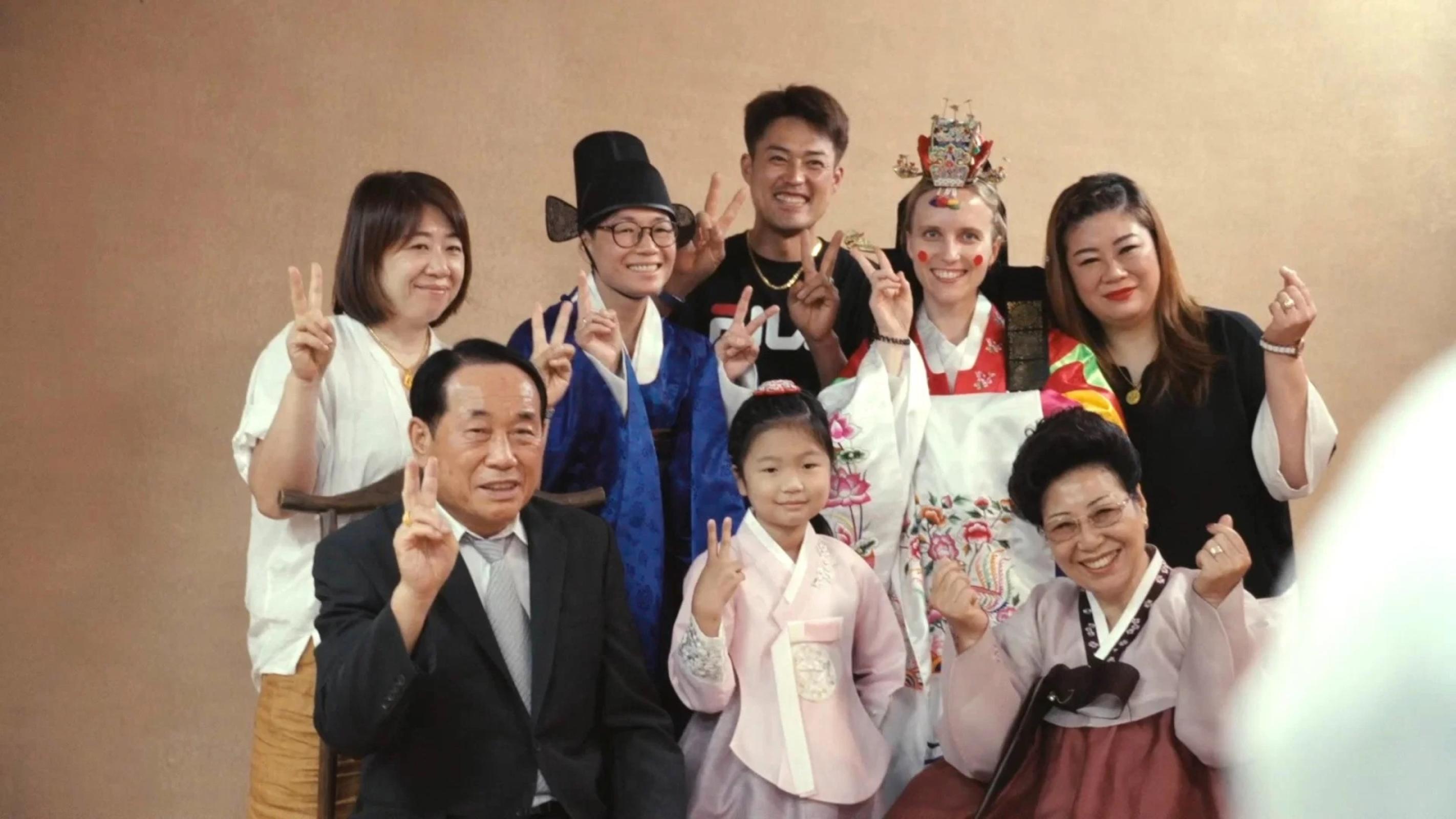
In Between Goodbyes, Jota Mun is committed to frankly documenting both the difficulties and joys of adoptee reunion. Cultural tensions arise as Mieke and her birth family navigate their differences, from Mieke’s queerness to her birth parents’ haunting regret at her relinquishment, but the conflicts are tempered by moments of humour and togetherness. “There’s no such thing as complete happiness,” Mieke’s birth mother says – Mun’s film does not deny the pain that has happened in the time since Mieke’s adoption, but they focus on the efforts that Mieke and her family make to show care for each other and move forward with their newfound bonds.
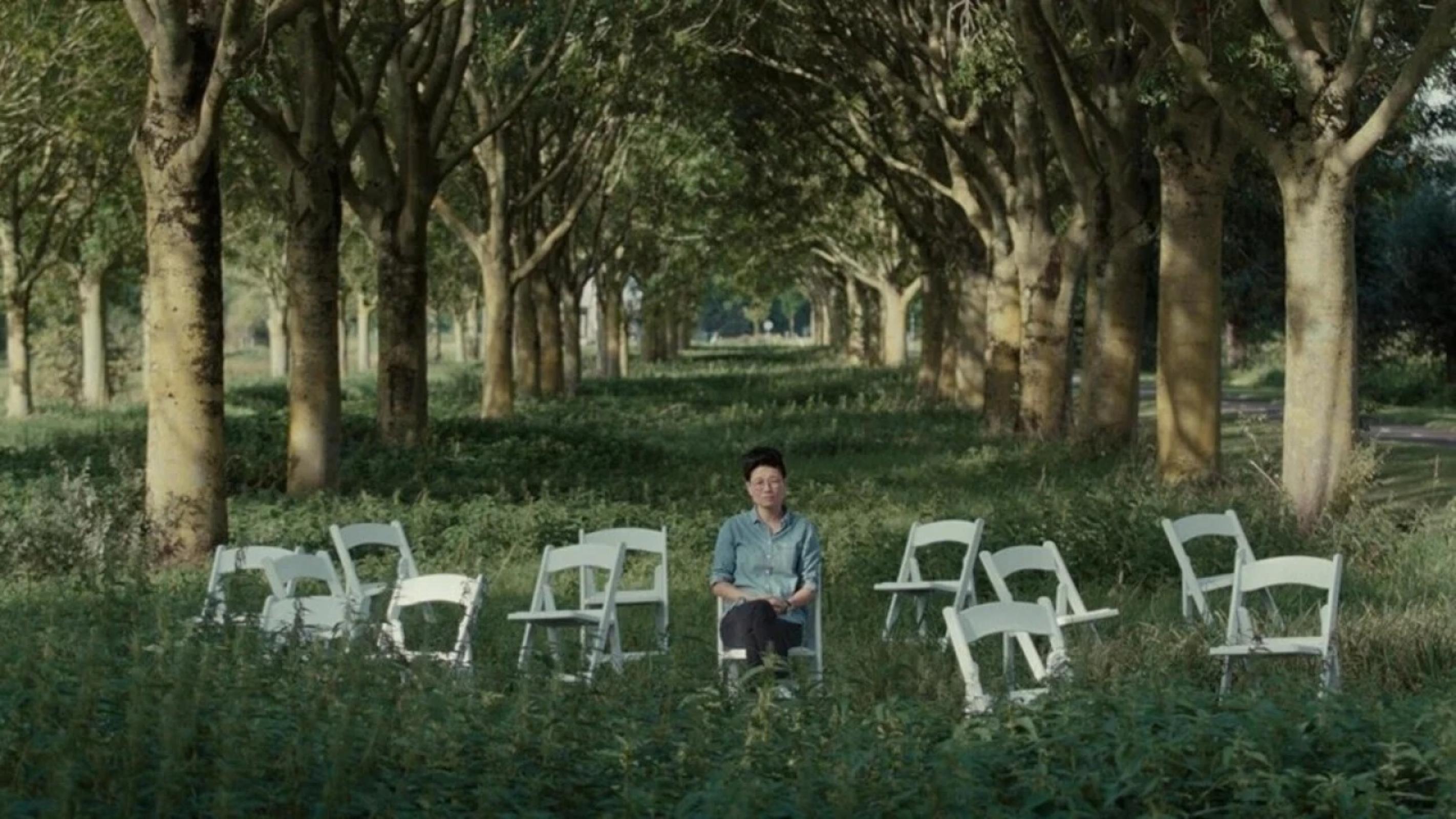
A sense of aspiration drives crucial decisions made in Macho Dancer and Between Goodbyes – Manila’s sex industry is a chance for the macho dancers to find work and hopefully a future outside of their provinces, while child relinquishment is sold to Mieke’s birth parents as a chance to give her a better life. The ideals of these “better lives” coalesce into the sense of lives unlived, futures that never were - branching possibilities and the refrain of “if only”.
There’s no repairing the past, Brocko and Mun posit, but their protagonists find the agency to choose their futures. In examining this potential for self-determination, Brocko and Mun eschew stigma and sensationalisation to create nuanced portraits of people who are, in the end, trying their best in a difficult world.
By Vee Dagger.
Vee Dagger is a Taiwanese drag performer / DJ / film curator based in Leeds. Her work centres around the gothic and the melodramatic, with a special interest in the gruesome. She has worked with Queer East, Transform Leeds, Leeds Art Gallery, Opera North and others. Please talk to her about vampires.
Macho Dancer is showing at HPPH on Sun 22 Nov at 14:00. You can find out more & book tickets here.
Between Goodbyes is showing at HPPH on Tue 24 Nov at 18:00. You can find out more & book tickets here.