The Uncomfortable Art of Looking: You Can See Everything
Thoughts on 2026's most-talked-about documentary by Tanmay Kulshrestha
Tanmay Kulshrestha
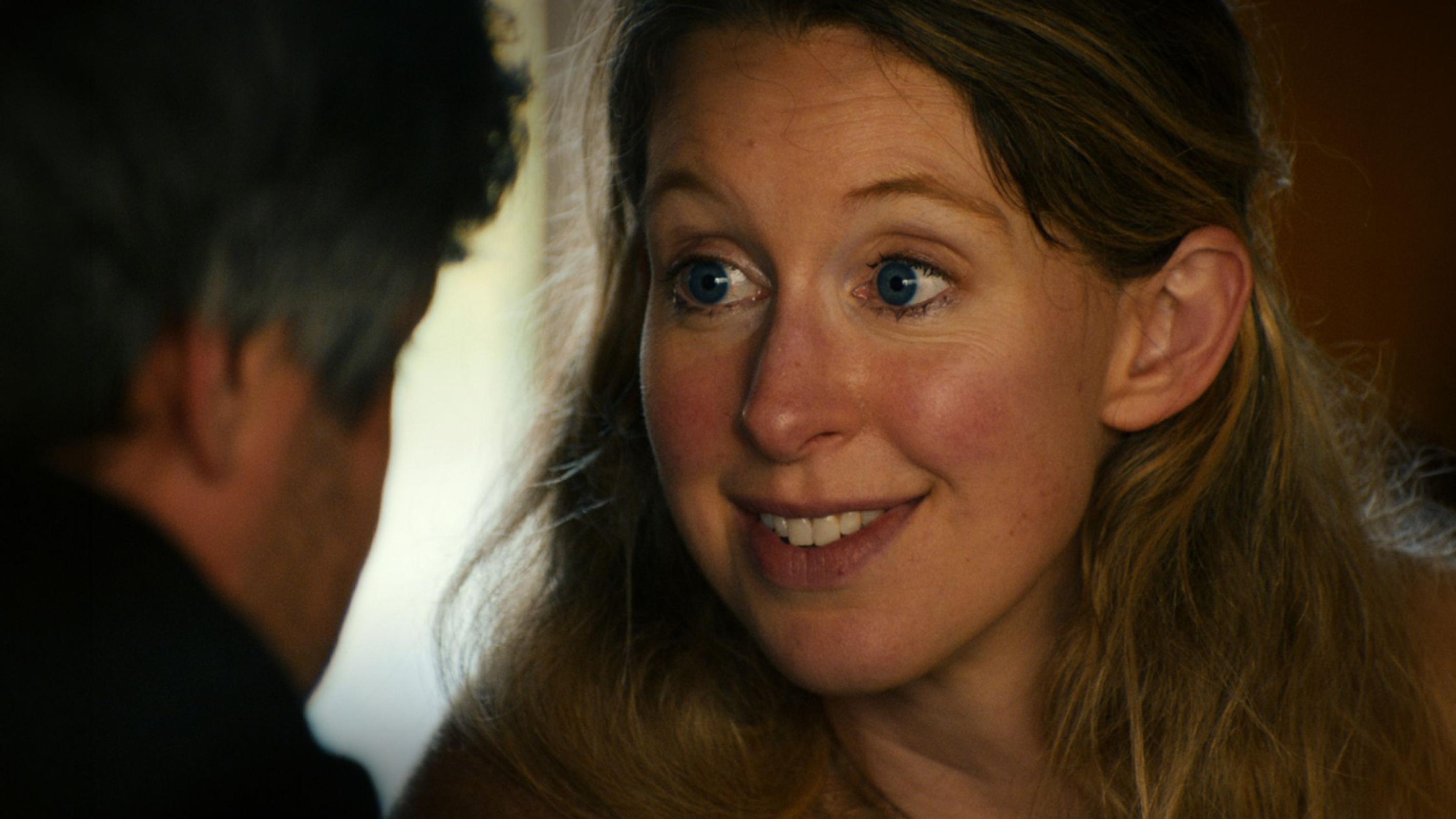
Its close-ups are almost uncomfortably close, its eye contact unrelenting, its subjects given little reprieve from the scrutiny of the lens. One begins to notice the smallest things: a bobbing head, an unusually prolonged stare, the absence of a blink. Gestures that might otherwise pass unnoticed become events in themselves.
The film has an unusual knack for making the ordinary feel suspicious. It begins with questions about communication, about what was said and what was understood, about the distance between intention and interpretation. These appear almost trivial at first, yet there is something quietly disconcerting about the way conversations unfold. One is left wondering whether the film is interested in what people say, what they mean, or what happens when the two refuse to coincide.
It is an unconventional documentary, not least because it seems reluctant to behave like one. Interviews do not always feel like interviews; they have the awkwardness and unpredictability of conversations still in progress. There is little comfort in the familiar rhythm of question, answer, cut, and clarification. Instead, the camera lingers, confronts, and occasionally seems to make a spectacle of the very things we might instinctively look away from.
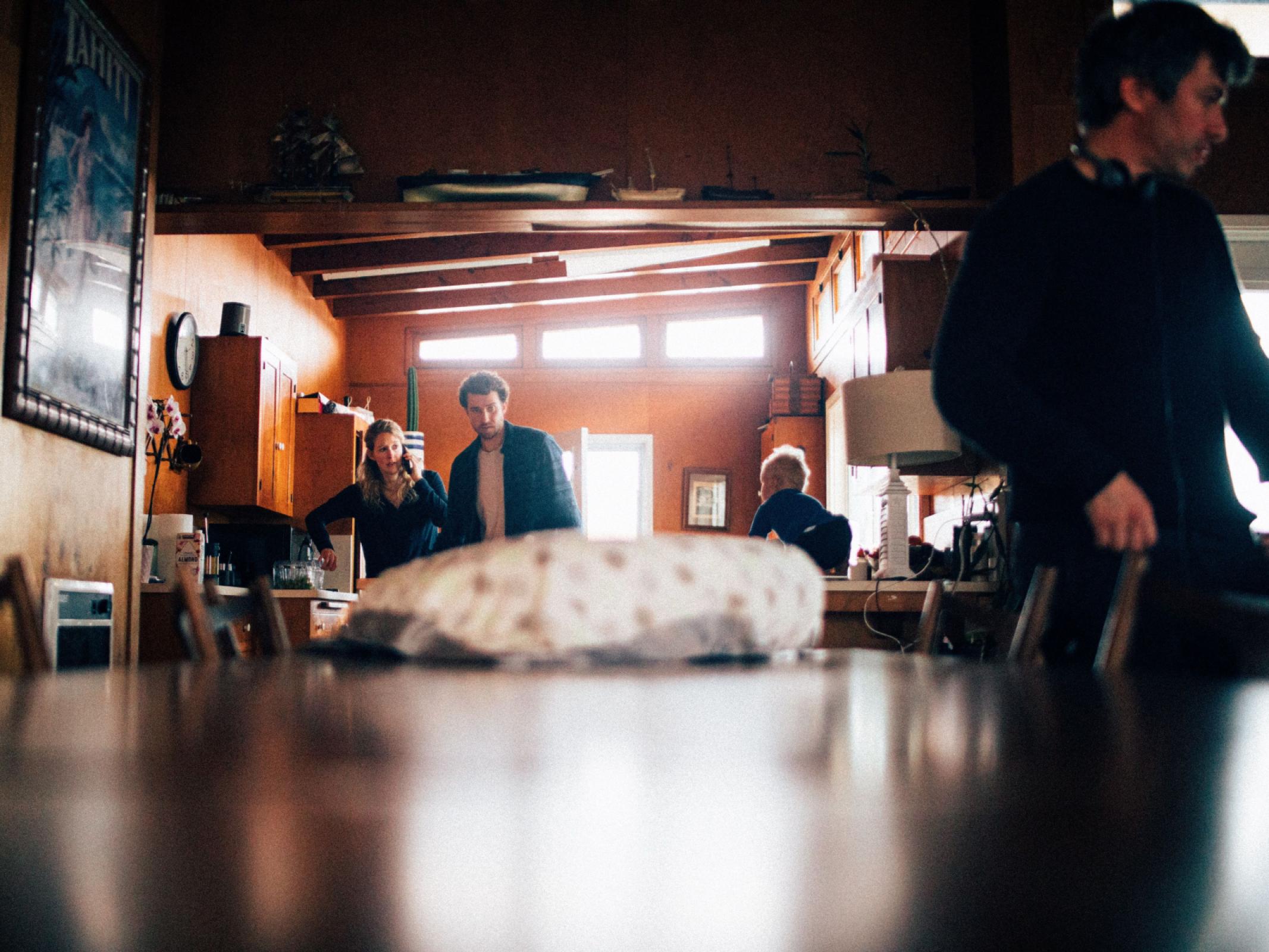
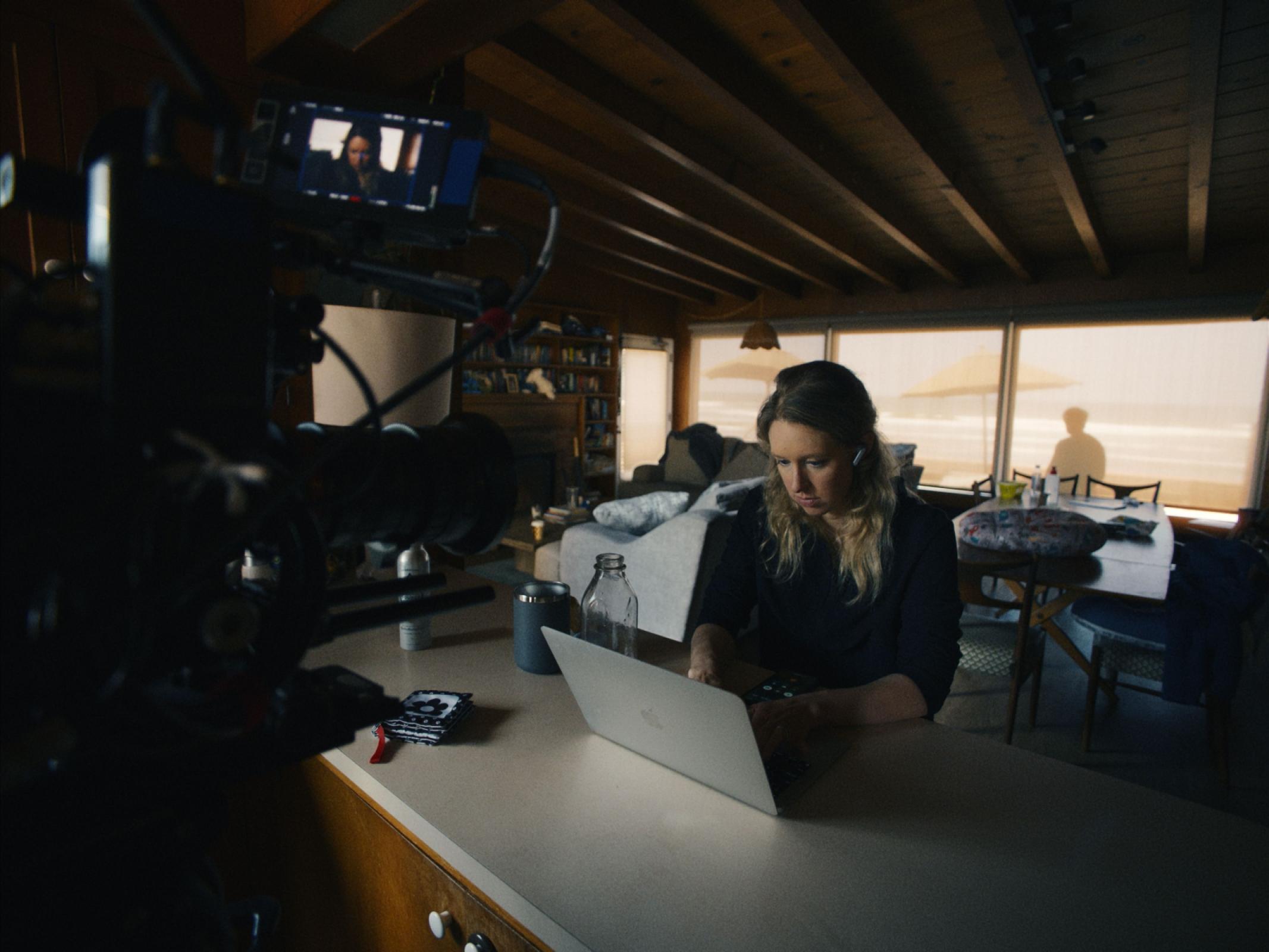
Perhaps the film's most fascinating quality is its awareness of the camera itself. Watching people speak is one thing; watching them become conscious of being watched is quite another. At certain moments, the film begins to feel less like an account of events and more like an examination of the conditions under which those events are performed. Who is speaking? Who is listening? Who is making the film, and who is gradually becoming part of it?
As You Can See Everything progresses, these questions become increasingly difficult to separate from the experience of watching. The film occasionally gestures towards something beyond the immediate conversation, leaving one to reconsider what has just been seen without necessarily providing the reassurance of an explanation.
Theatre has always known that to be watched is to perform, and to watch is to be implicated. This film makes that old bargain feel new and slightly dangerous. It promises that you can see everything. It delivers something stranger: the sense of being seen.
You Can See Everything is now showing at HPPH. You can find times and tickets here.