Between Innocence and Reality: Iranian Cinema and Childhood
A guest piece by Dr Maryam Ghorbankarimi
Maryam Ghorbankarimi
Yet some of Iranian cinema’s most enduring films begin precisely here, with the ordinary desires, disappointments and preoccupations of children. Through them, filmmakers have found ways of looking at much larger questions of family, poverty, education, authority and the world adults have created around them.
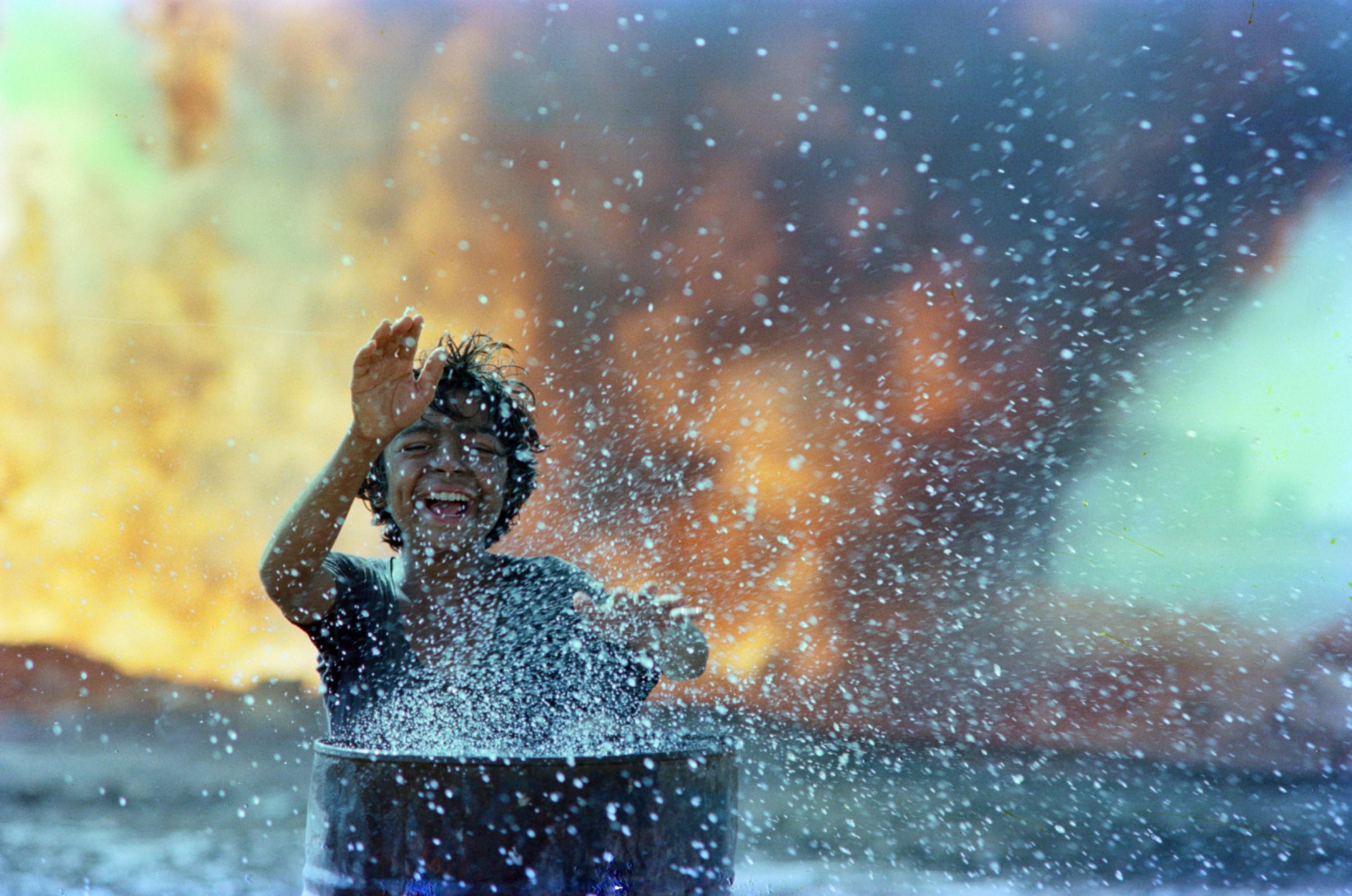
Children occupy an important place in the history of Iranian cinema. The roots of this tradition stretch back before the 1979 Revolution and are inseparable from Kanun, the Institute for the Intellectual Development of Children and Young Adults. Established in the 1960s, Kanun became far more than an organisation producing educational and cultural material for children. It provided filmmakers with an unusual space for experimentation, relatively free from the demands of the commercial film industry. Abbas Kiarostami and Naser Taghvai began their filmmaking careers there; filmmakers including Bahram Beyzaie and Masud Kimiai made some short films within its creative environment; and it also played an important role in the development of Iranian animation and established a significant film archive. Remarkably, Kanun survived the Revolution with its fundamental mission intact and was among the first cultural organisations to resume work and filmmaking. Some of the most important films of the emerging post-Revolutionary cinema came from this environment, including Amir Naderi’s The Runner (1984), Bahram Beyzaie’s Bashu, the Little Stranger (1989) and Abbas Kiarostami’s Where Is the Friend’s House? (1987). The institution became central to a filmmaking culture that took children and their experiences seriously.
These were not simply films for children. They were films about, with and, importantly, through children. After the Revolution, this became particularly significant. Restrictions surrounding the representation of adult bodies and relationships made children a particularly powerful medium for cinematic expression. They could move freely between people and places and enter spaces that were more difficult for adult characters to inhabit. But censorship alone cannot explain the extraordinary richness of the films that emerged. The child’s perspective also offers filmmakers a particular way of seeing the wider social world. Children become vehicles through which social questions are explored, while their apparent innocence and authenticity lend particular force to what they embody. This is central to their allegorical function in post-Revolutionary Iranian cinema, where the child can both embody particular values and ideals and provide a means of questioning dominant social and ideological structures.
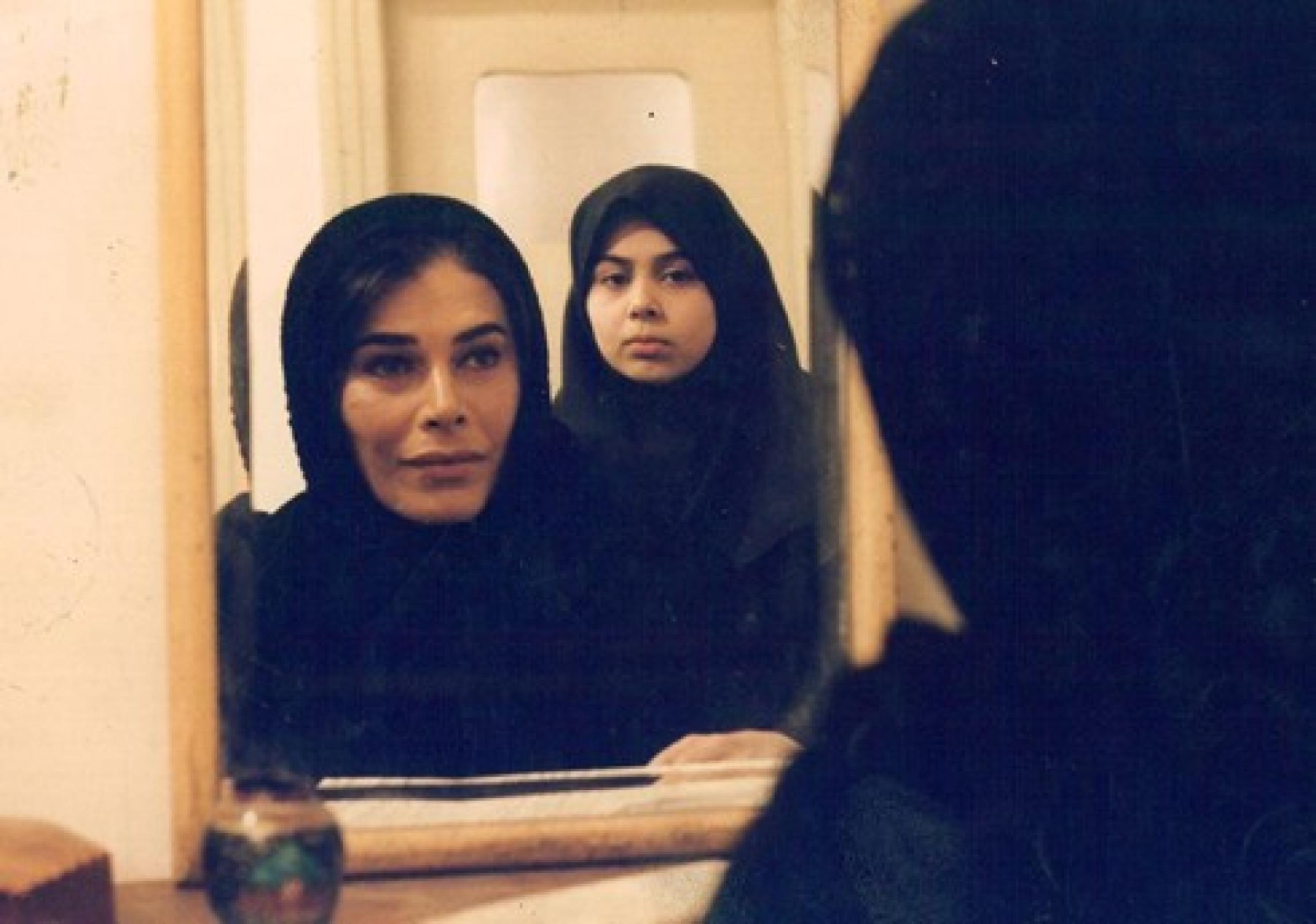
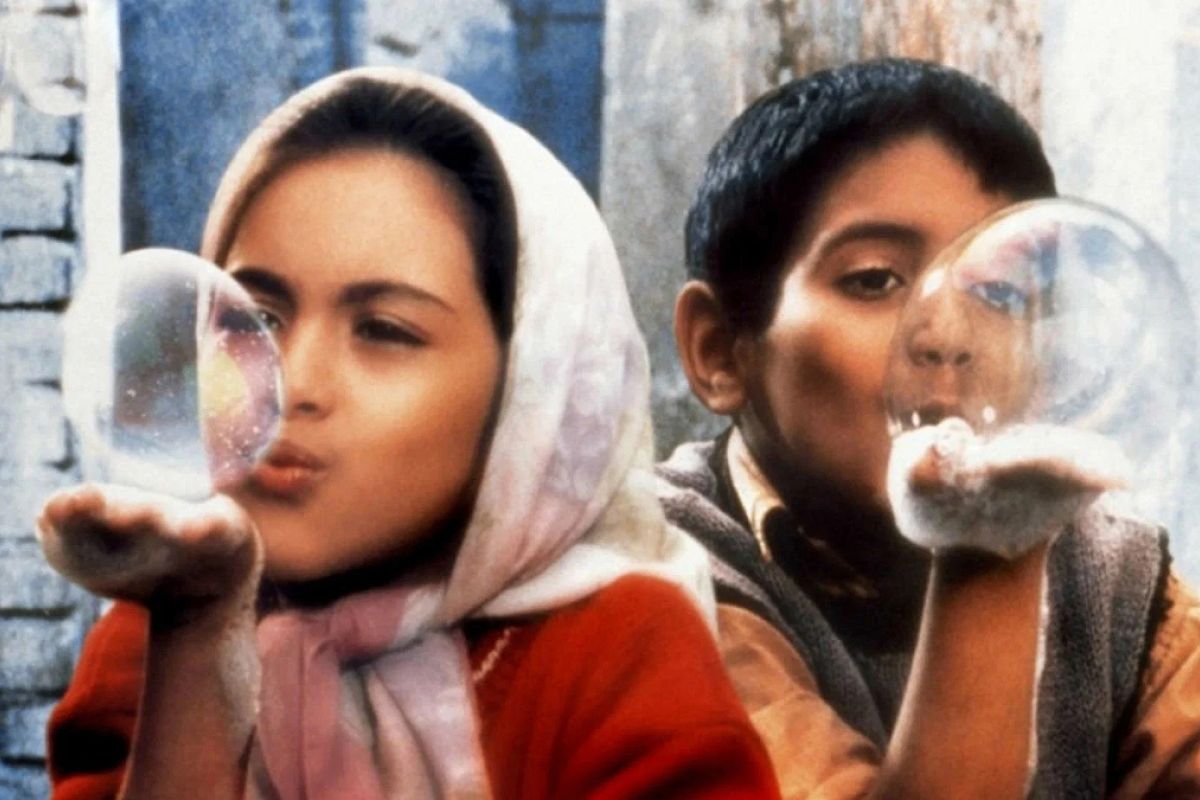
Yet any history of children and Iranian cinema is incomplete without Pouran Derakhshandeh, one of the first women filmmakers of the post-Revolutionary period. Working within the same rich period of child-centred filmmaking, Derakhshandeh shares many of these social concerns but approaches them through a different cinematic lens. Placing Little Bird of Happiness alongside the other films in this season reveals the remarkable range of this tradition. The Runner follows a school-age boy working to survive in southern Iran, filmed extremely close to the ongoing Iran-Iraq War; Homework turns Kiarostami’s conversations with schoolchildren into a reflection on the education system; The White Balloon follows a young girl searching for money she has lost while trying to buy a red goldfish for the New Year; and in Children of Heaven, a brother and sister hide the loss of her shoes from their parents and share a single pair, revealing their understanding of the family’s financial difficulties. As Iranian cinema gained international recognition from the late 1980s onwards, a particular image of it also began to take shape as poetic and realist, often built around simple narratives and non-professional actors, and associated above all with a relatively small group of male auteurs. This has inevitably shaped the way its history has been written. As Michelle Langford notes, scholarship has tended to privilege the films associated with “poetic realism”, while Iran’s rich traditions of popular and genre cinema, particularly melodrama, have received far less critical attention (Langford, 2010: 343).
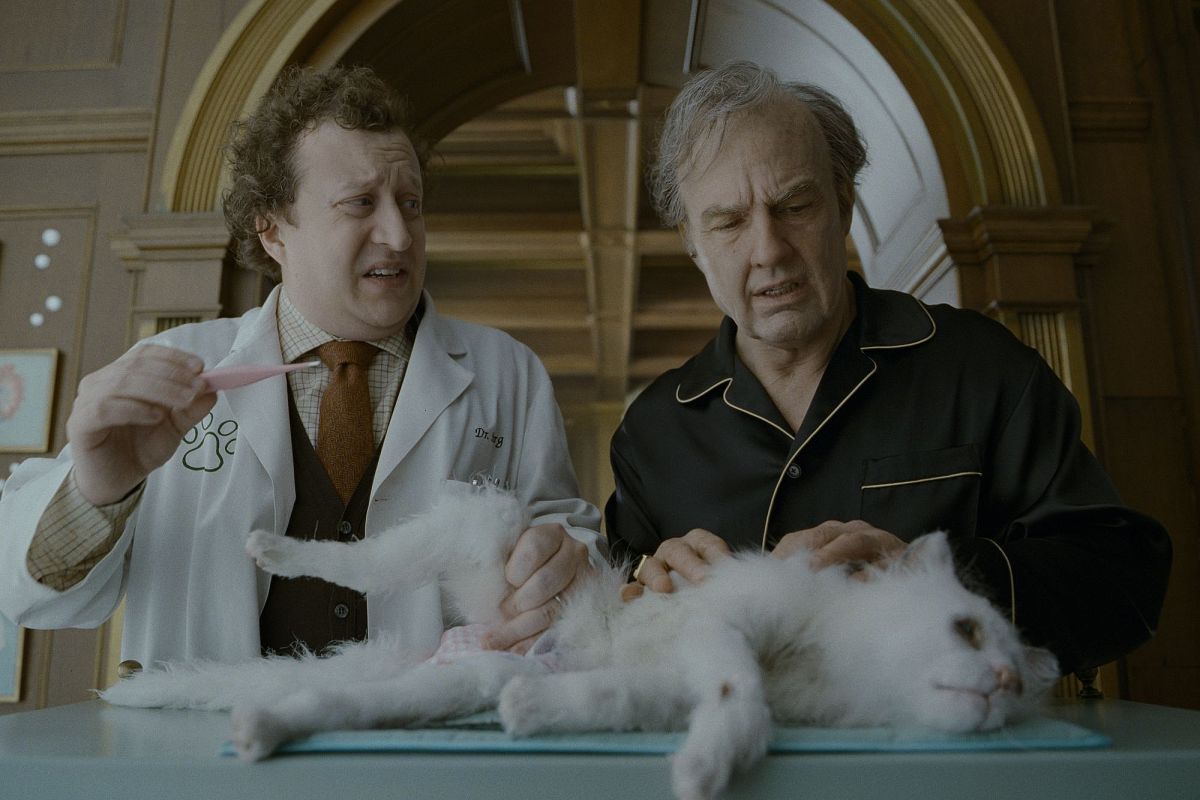
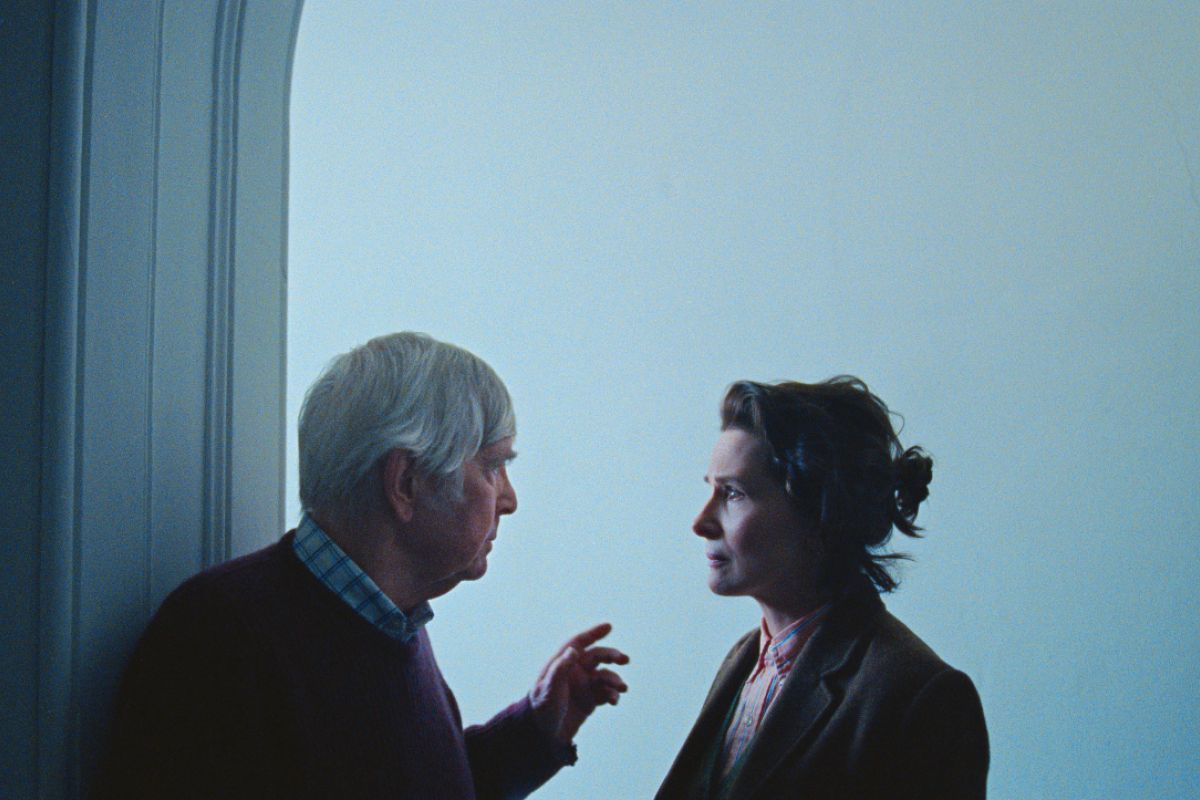
Derakhshandeh does not fit comfortably within this familiar image of Iranian art cinema. Her films are more openly emotional and melodramatic, bringing professional actors and stars together with non-professional child performers, whose presence also connects her work to the realist traditions of Iranian art cinema. Yet her films speak in a more popular and accessible cinematic language, intended to reach a broad audience. Children and young adults, and the social worlds they inhabit, have been at the heart of her filmmaking for four decades. Again and again, she returns to those who struggle to communicate, whose voices are not heard, or whose experiences society is not yet prepared to acknowledge. Her first two features, Relationship (1986) and Little Bird of Happiness (1987), centre on deaf children, played by deaf children rather than hearing actors performing deafness, making questions of communication, recognition and participation particularly immediate. Wet Dream (2005) turns to adolescence and puberty, while Eternal Children (2007) places a young man with Down syndrome, himself played by an actor with Down syndrome, at the centre of a family dilemma about care, responsibility and his place within a changing family. In Hush! Girls Don’t Scream (2013), Derakhshandeh confronts childhood sexual abuse and, crucially, the silence surrounding it. Across these very different films, she repeatedly brings to the screen children and young adults whose experiences and voices are too easily overlooked.
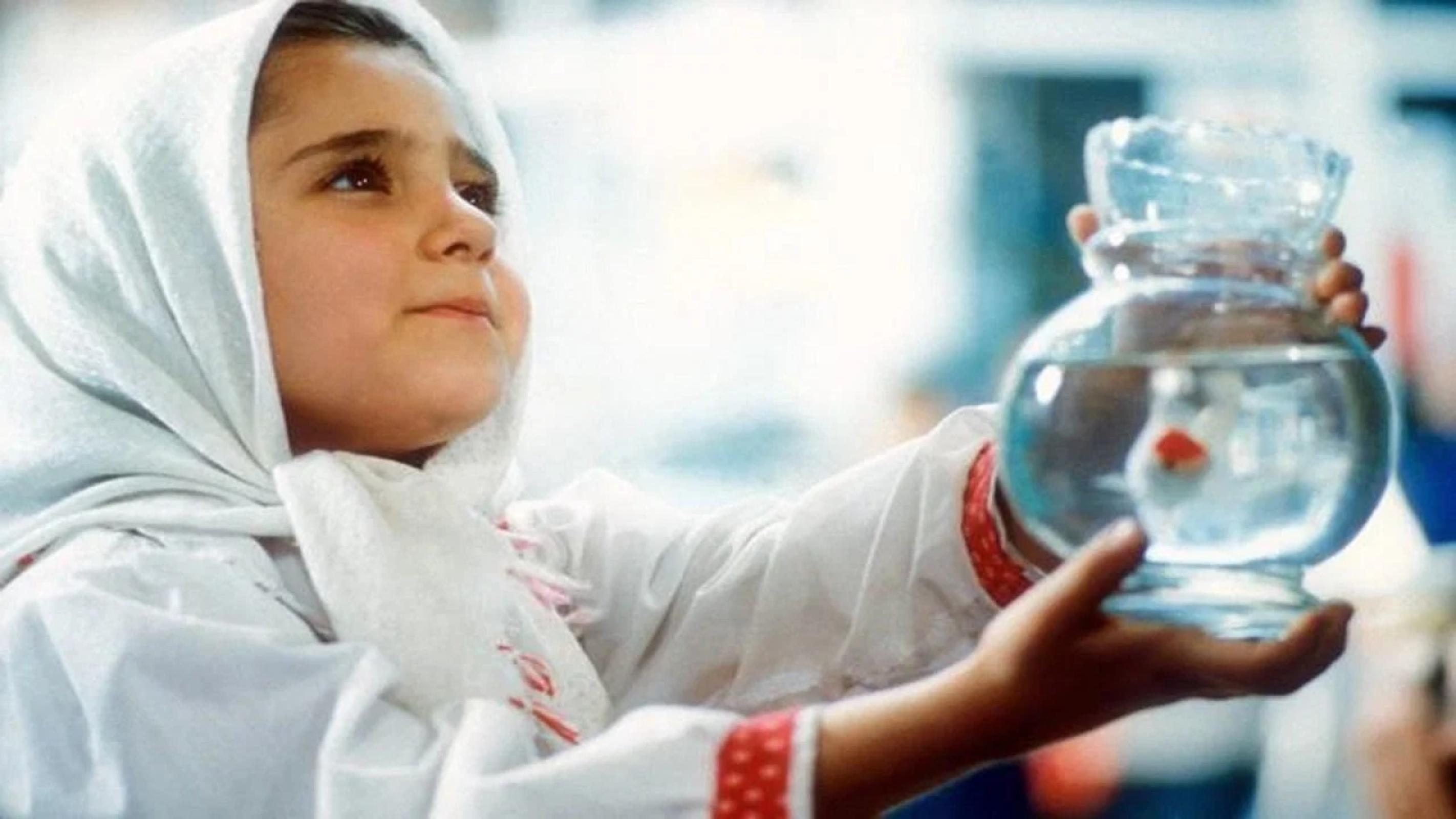
Little Bird of Happiness therefore offers a different way of thinking about the child in Iranian cinema. While Children can carry meanings beyond themselves, Derakhshandeh draws our attention to their own lives and experiences in their own right, including communication, disability, care and the structures around them. Little Bird of Happiness belongs to a tradition of post-Revolutionary Iranian melodrama in which social realism and melodramatic form increasingly intersected. The melodramatic form can operate as a practical strategy for bringing experiences that remain private or unspoken into public view, allowing audiences to encounter both the world as it is and the possibility that it might be otherwise. The emotional accessibility of Derakhshandeh’s cinema is therefore central to its social engagement, drawing audiences towards lives and experiences that might otherwise remain at the margins of public attention.
The Runner, Little Bird of Happiness, Homework, The White Balloon and Children of Heaven approach childhood through different forms and traditions, but together they demonstrate the remarkable range of child-centred cinema in Iran, from poetic realism and documentary inquiry to melodrama and more popular forms of storytelling. Perhaps this is what makes returning to these films so rewarding. They remind us that there has never been just one way of looking at children, nor one cinematic language through which their realities can be expressed.
Bibliography
Langford, M. (2010) ‘Practical melodrama: from recognition to action in Tahmineh Milani’s Fereshteh trilogy’, Screen, 51(4), pp. 341–364.
---
By Dr Maryam Ghorbankarimi, Senior Lecturer in Film Practice at Lancaster University, who helped curate our new season, Between Innocence and Reality: Iranian Cinema and Childhood. This season begins with a screening of The White Balloon on Sun 20 Sep. You can explore the full season and book tickets here.
-landscape.jpg)