When the Truman Show meets The Birdman
Tanmay recommends Digger
Tanmay Kulshrestha
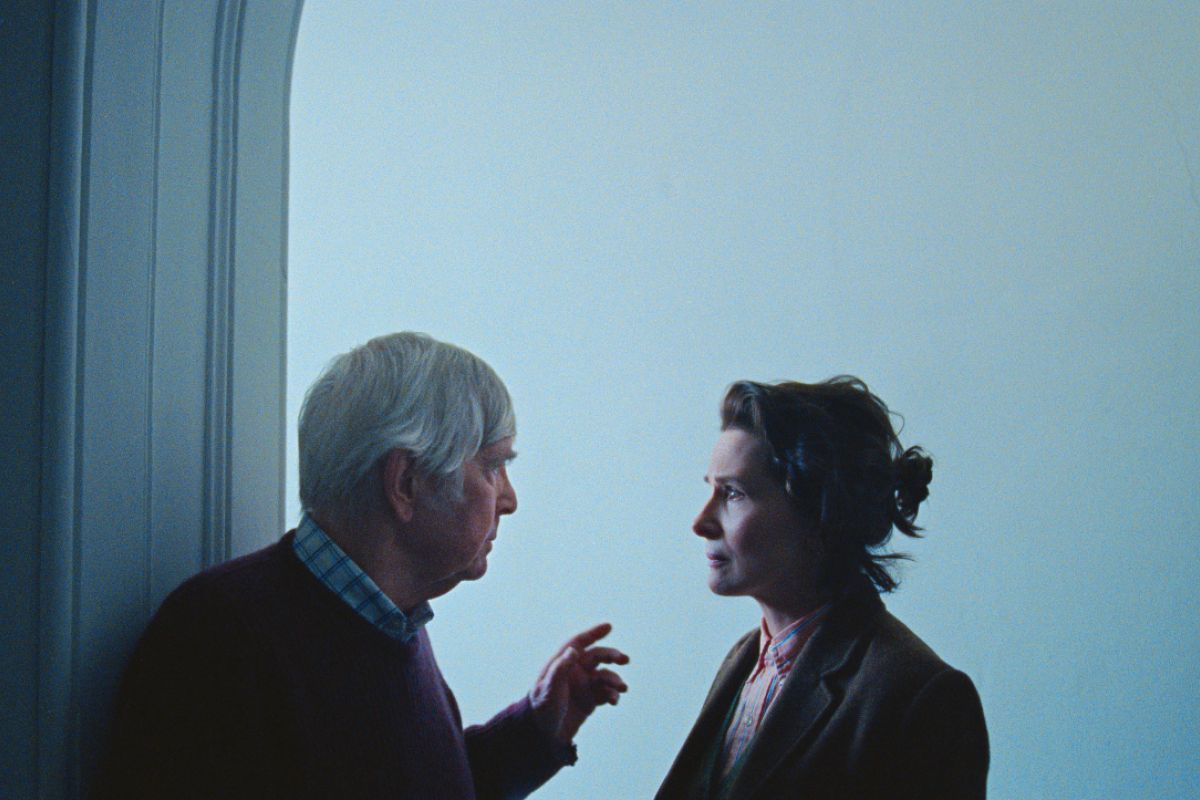
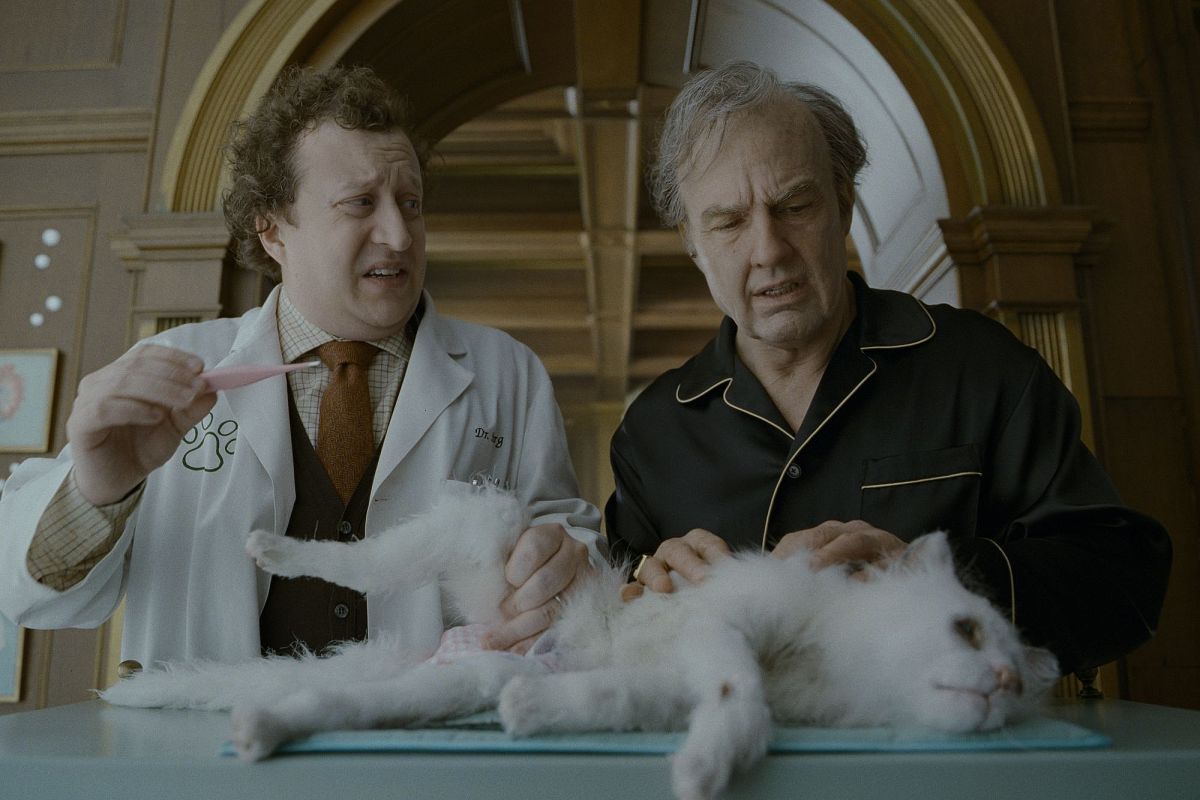
The opening of Digger feels familiar. A larger-than-life character, an unfolding catastrophe, absurdity everywhere you look. It initially seems like another grand satirical comedy: a film holding up a mirror to the world outside the cinema and inviting us to laugh at what we see.
And then, about thirty minutes in, the mirror cracks.
Tom Cruise plays Digger Rockwell, an oil tycoon with a thick Southern drawl and a face buried under prosthetics. Iñárritu says Digger "seduced reality into agreeing with him." His new mission is to convince the world he is its saviour, before the disaster he unleashed finishes the job. Cruise is joined by Riz Ahmed, John Goodman, Sandra Hüller, Michael Stuhlbarg and Jesse Plemons.
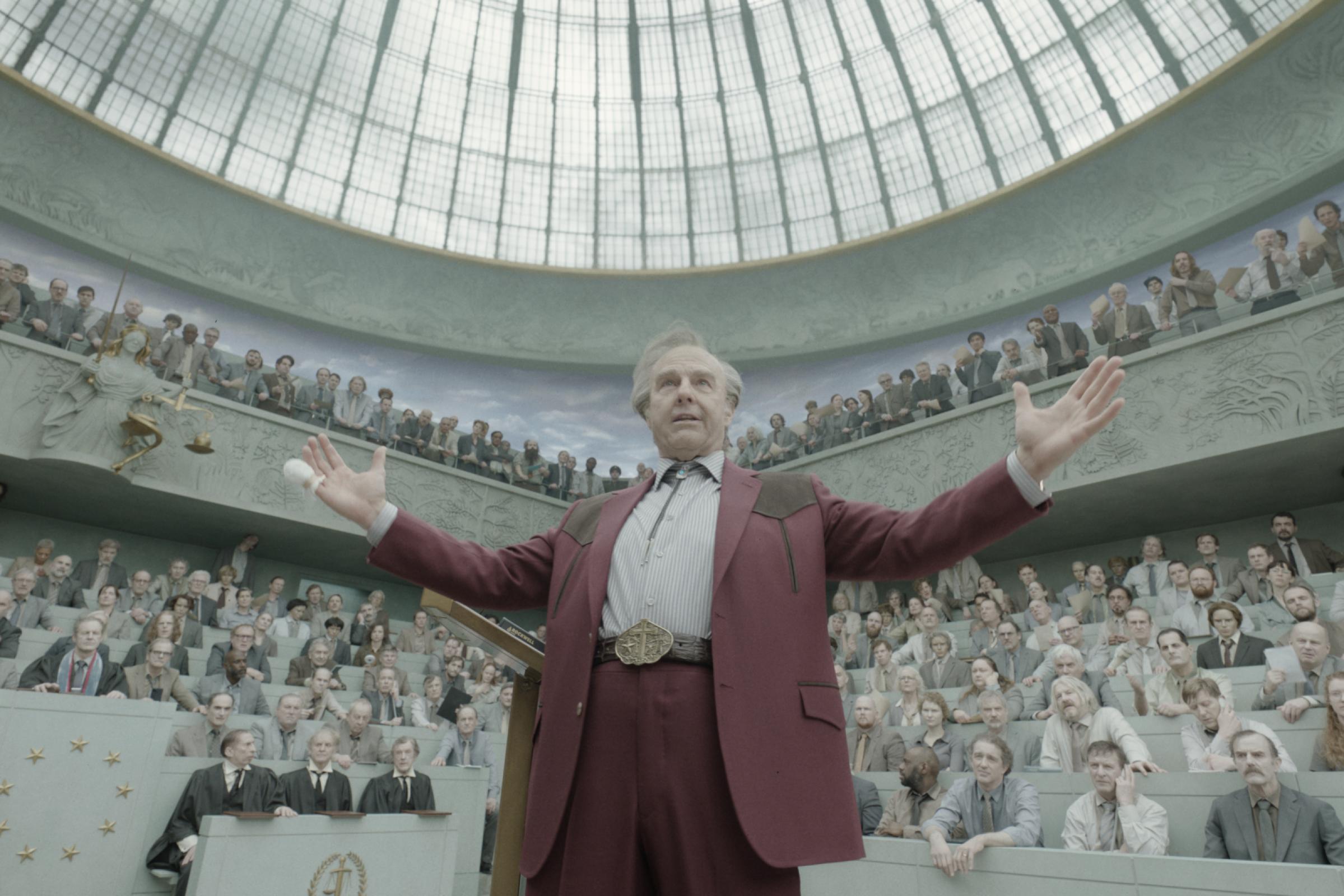

Jesse Plemons' character at one point delivers a monologue built around the deceptively simple idea that “it doesn’t matter”. The speech becomes more than dialogue: it is almost a commentary on the film being consumed, performed and constructed simultaneously. Is the spectacle supposed to change anything? Does satire matter if the audience simply watches, laughs and goes home? Iñárritu keeps asking the question without allowing an easy answer.
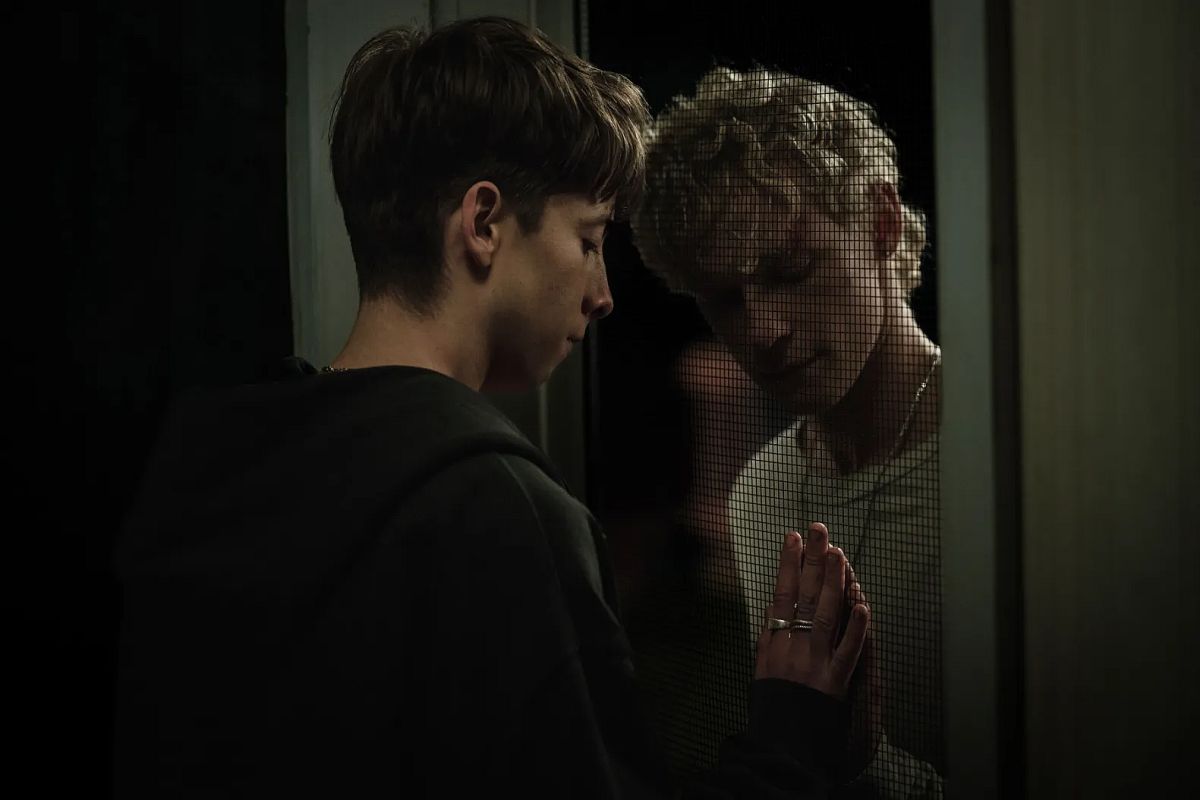
Without giving too much away, Digger begins to reveal itself as something else entirely. What appears to be one story becomes a story about a story, and then something even stranger. Unlike Birdman, where Iñárritu kept the mechanics of its theatrical world tantalisingly ambiguous, Digger deliberately breaks the wall. But it does so selectively. The revelation changes what we think we are watching without completely explaining why we are watching it.
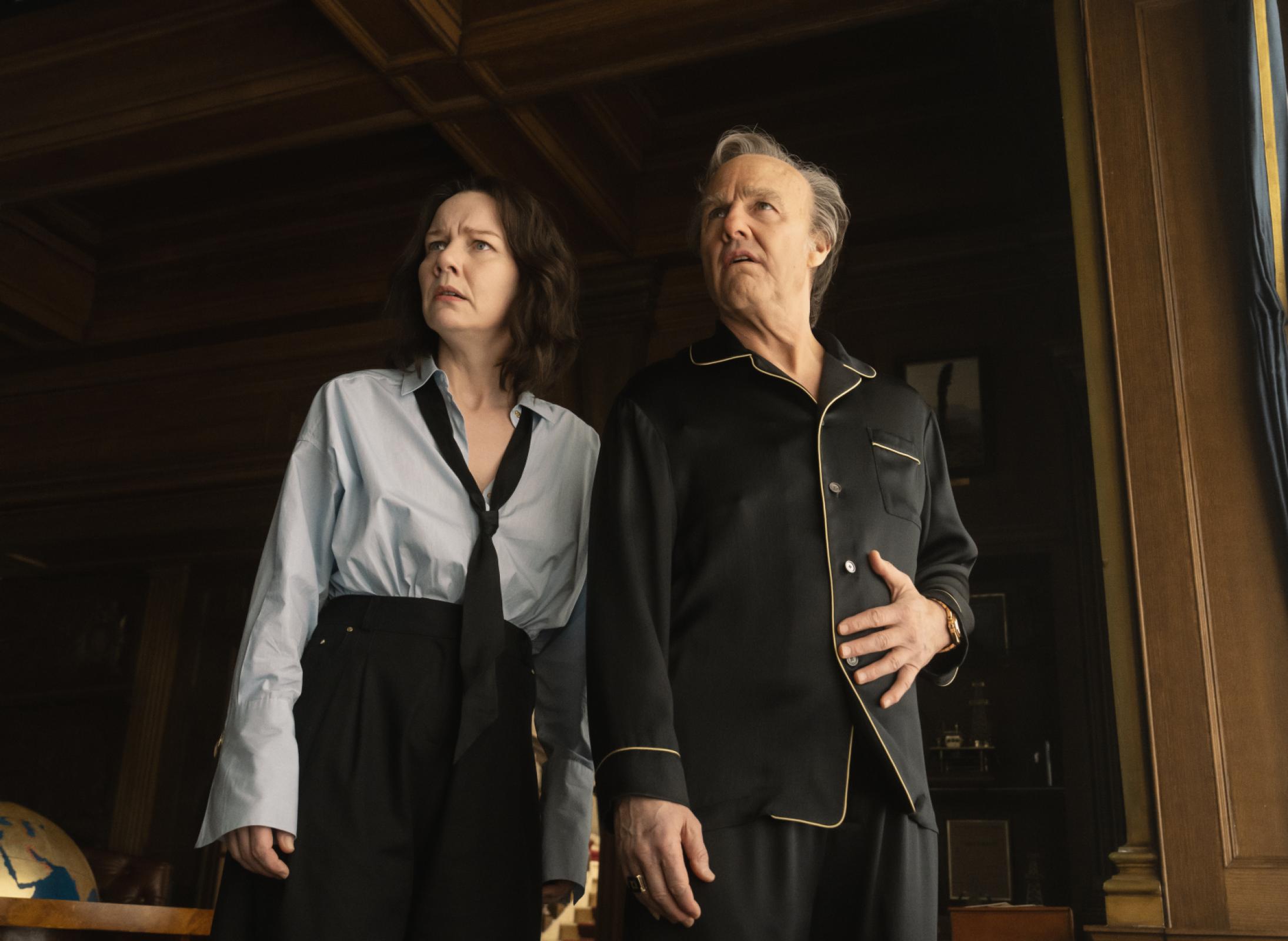
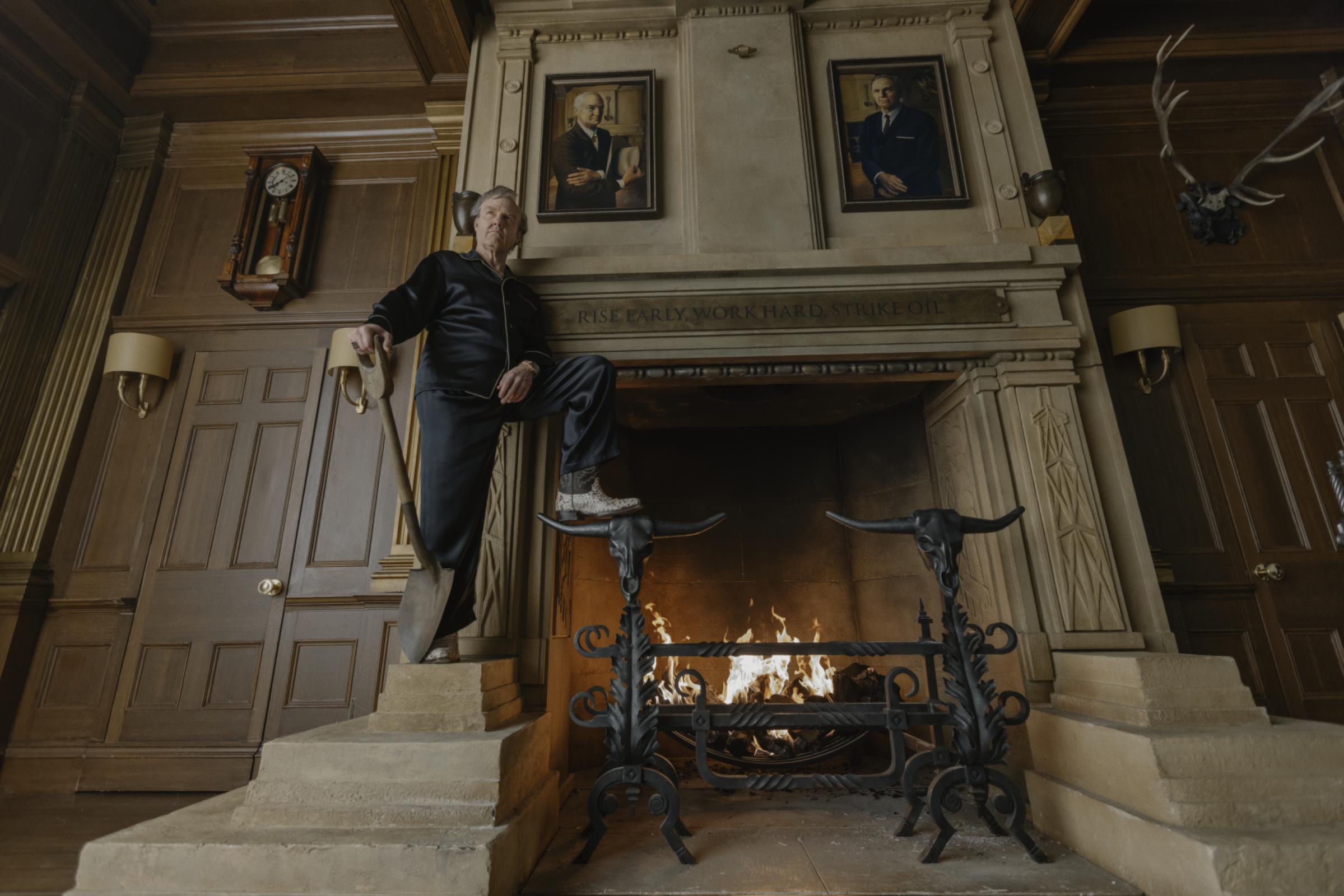
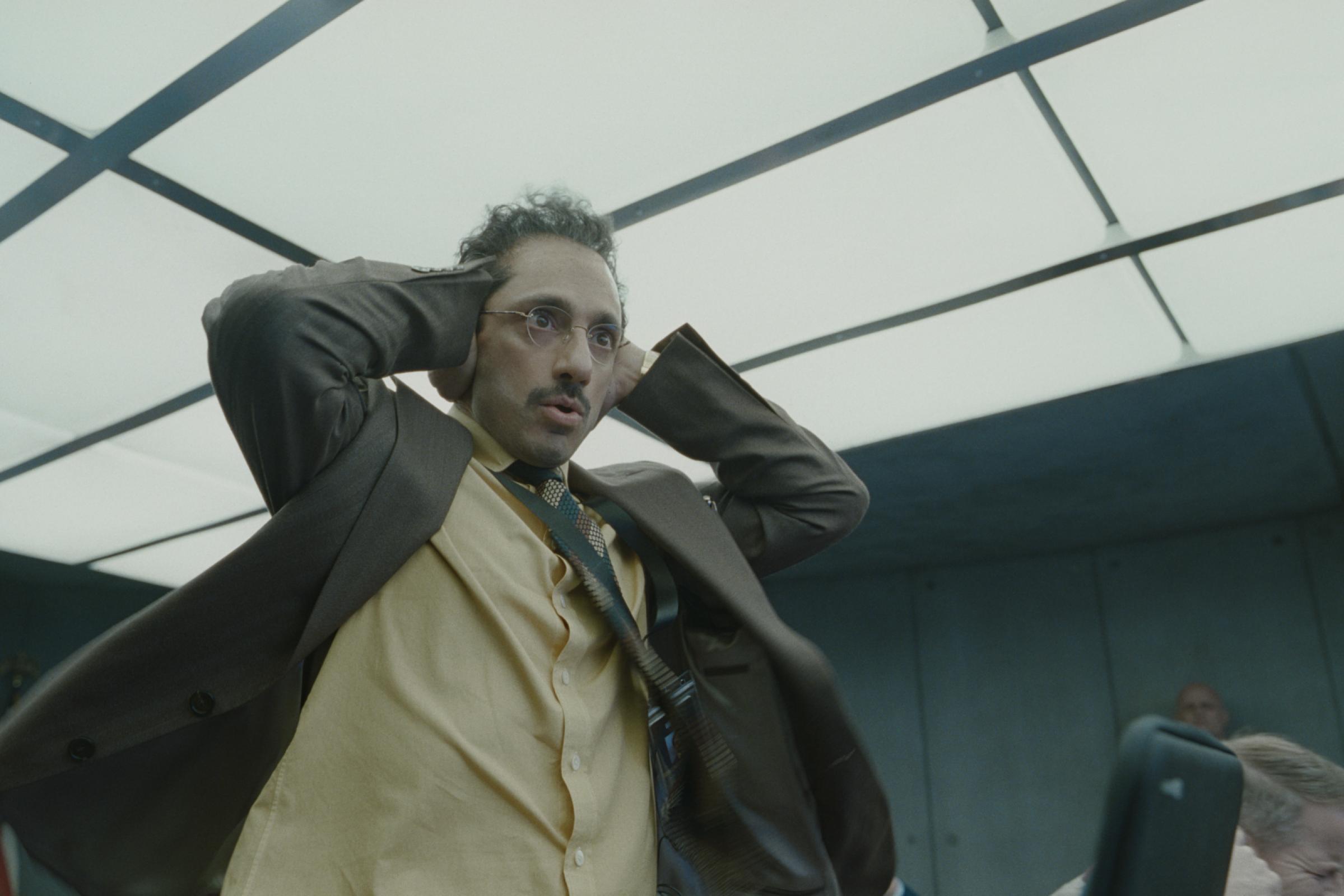
Cinematographer Emmanuel Lubezki shoots it, as he did Birdman and The Revenant. Dennis Gassner leads production design. Cosmo Sheldrake writes the music. Alexander Dinelaris and Nicolás Giacobone, who co-wrote Birdman, wrote this with Iñárritu and Sabina Berman. It is Iñárritu's first English-language film in a decade. He has called it a "relentless, recurring obsession," (The Guardian 13 July 2026) and he spent days reading the script aloud to Cruise before a frame was shot.
The final movement of Digger brings the cinema audience inside the film and the audience watching Digger outside it remarkably close together. A familiar announcement about “Level Four” returns. People begin to leave the theatre. What lies outside is considerably less theatrical than what we have just watched. For a moment, the distinction between the audience inside the film and the audience outside it begins to disappear.



Book now
Digger was shot entirely on 35mm VistaVision. This widescreen format dates from the 1950s. It records an enormous amount of detail on the negative. We are showing it in that same format at HPPH, which is how it was meant to be seen.
Digger plays from Fri 02 Oct. Runtime is 2h 8m. Find times and tickets here.
One tip: don't leave when the credits start.